


New Balance Sneakers Weren’t Seen As Cool

They were the shoes your dad wore on weekend errands and to Home Depot. Practical. Comfortable. Not exactly ”cool” or “trendy”. “Dad shoes” wasn’t a compliment, it was code for unfashionable.
But now those same shoes are showing up on street style pages, TikTok fashion edits, and fashion collaborations. And somehow, the view of them changed completely.
Ugly Became the Point

At some point, the aesthetic shifted.
Chunky looks, muted colors, retro shapes, everything that used to be considered outdated started to feel intentional. Not polished, not perfect, but styled in a way that felt more real.
A big part of that shift comes from Gen Z’s relationship with nostalgia. There’s a clear preference for retro and older, borrowed style, and that also includes actual passed-down items. Wearing something that looks like it came from an older generation doesn’t feel outdated anymore, it feels stylish.
Anti-Perfect Fashion
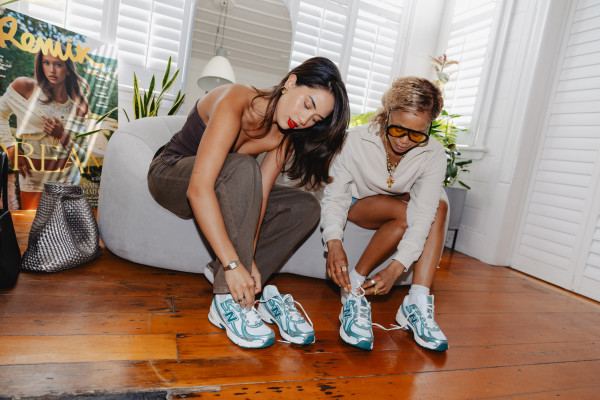
The rise of New Balance also connects to a wider reaction against fashion. Instead of clean, modern, luxury aesthetics, there’s been a move toward things that feel more lived-in and worn. Outfits that feel casual. Pieces that don’t look like they’re trying too hard.
This is where aesthetic authenticity bias comes in. People tend to trust things that feel less manufactured or overly polished. So suddenly, the “dad shoe” wasn’t ugly. It was the shoe.
The Shift
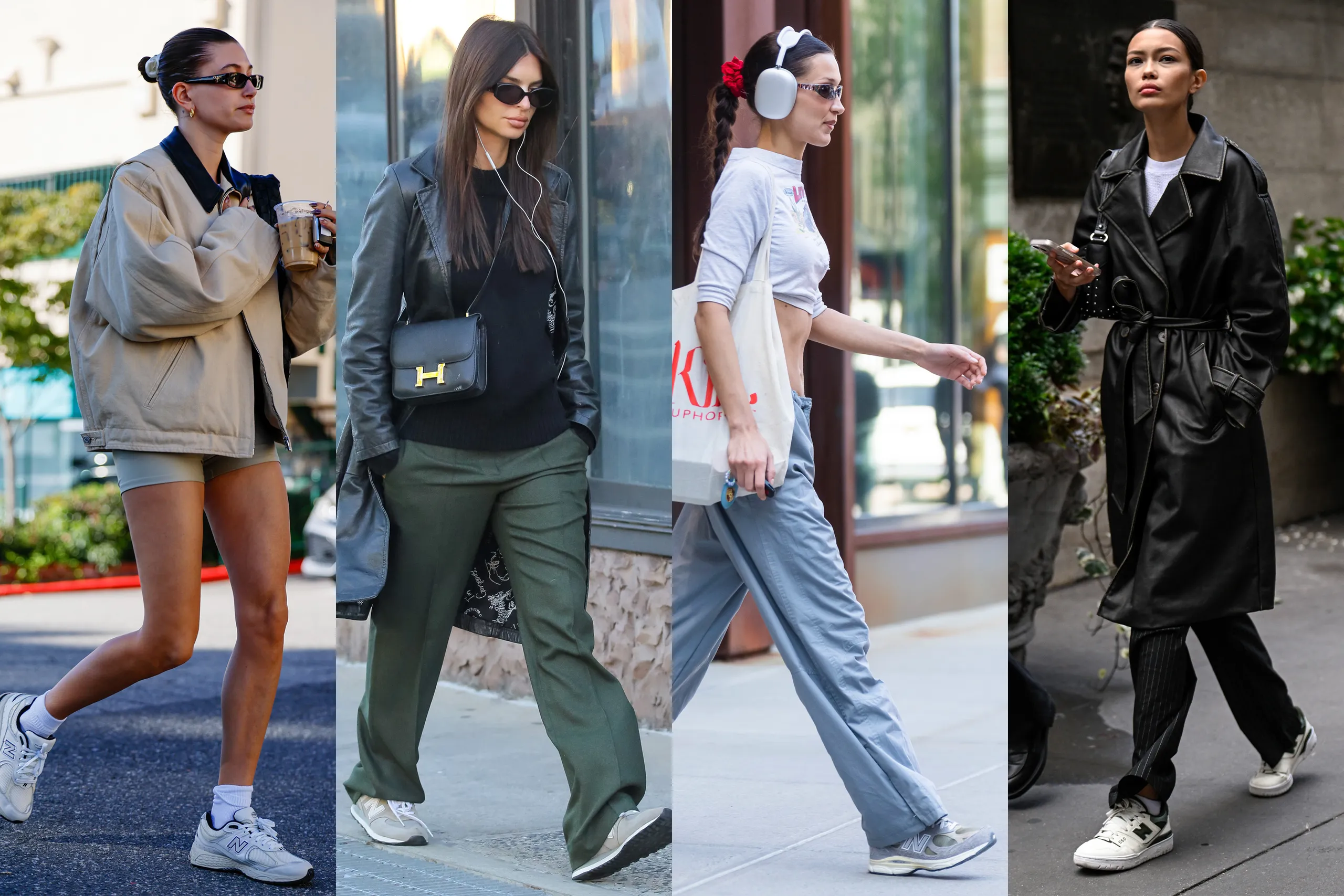
What’s interesting is that New Balance didn’t loudly rebrand itself. Instead, it leaned into collaborations, limited releases, and slow visibility growth in fashion spaces. Partnerships with designers and appearances in streetwear culture helped reposition the brand without forcing a complete identity reset.
Over time, the same designs started showing up everywhere. You'd see it in an OOTD post from your favorite influencer. You'd see MLB star Shohei Ohtani wearing it post game. I mean, it really did show up everywhere. That repetition matters. Through mere exposure, familiarity slowly turns into preference.
Functional vs Style

Eventually, the meaning of the shoe changed. What was once seen as just functional started turned into intentional styling. The same design, but a completely different vibe.
That’s reframing in consumer perception, meaning, when the context around a product changes, its meaning changes with it. Now, wearing New Balance doesn’t say “practical.” It says “styled, but not trying too hard.”
Why It Worked

The shift didn’t happen because the shoes changed first… It happened because culture did.
Gen Z’s preference for nostalgia, comfort, and anti-perfection aesthetics created space for something like New Balance to feel relevant again. And once enough people started wearing them in new contexts, the perception followed.
Takeaway
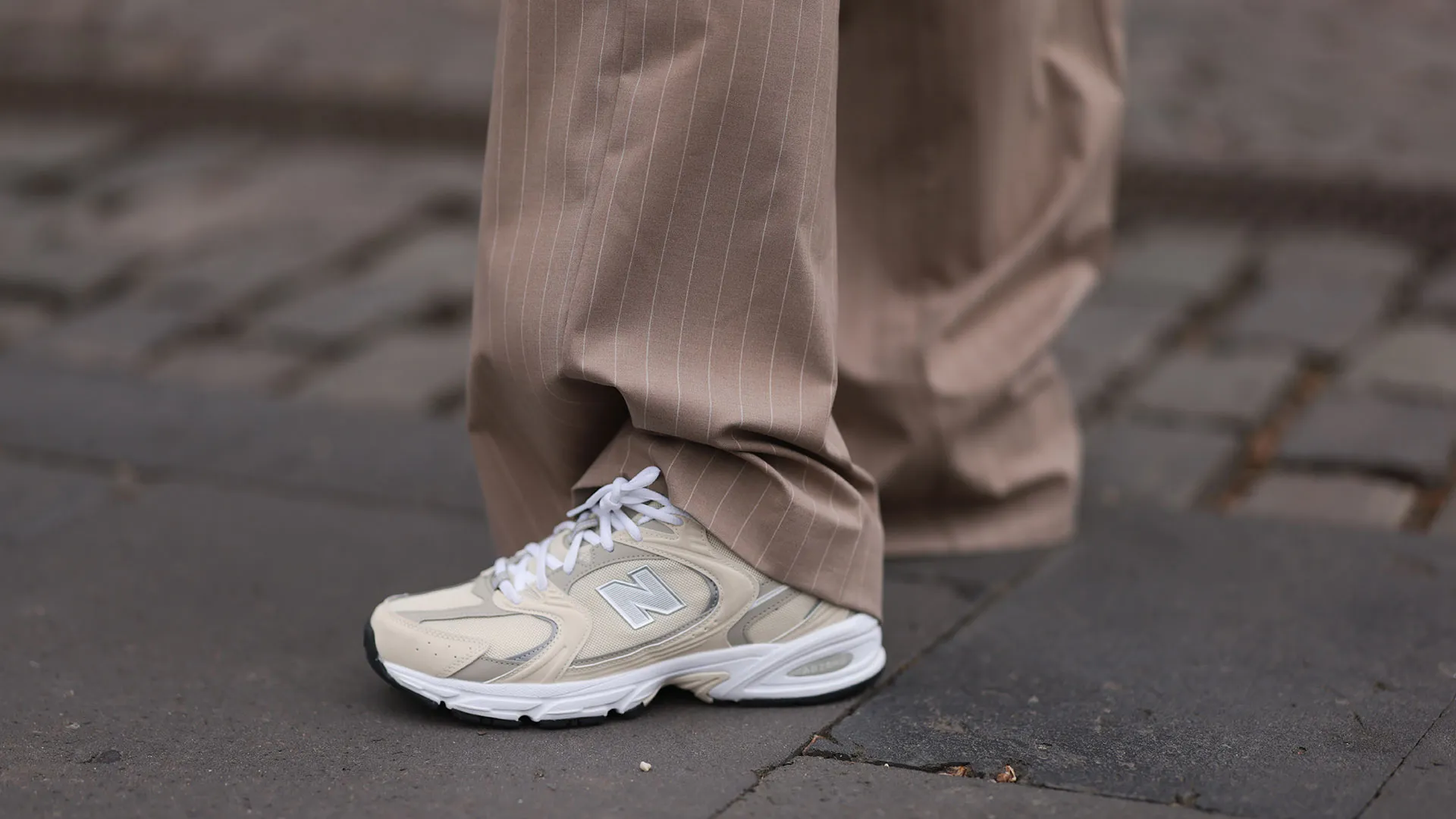
So the New Balance rebrand isn’t really about sneakers becoming fashionable. It’s about how meaning changes when culture changes. What was once labeled “dad shoes” didn’t disappear, it just got reinterpreted.
And now it sits in a completely different category. Its not outdated anymore… its one of the most relevant shoe brands in fashion today.
References: