



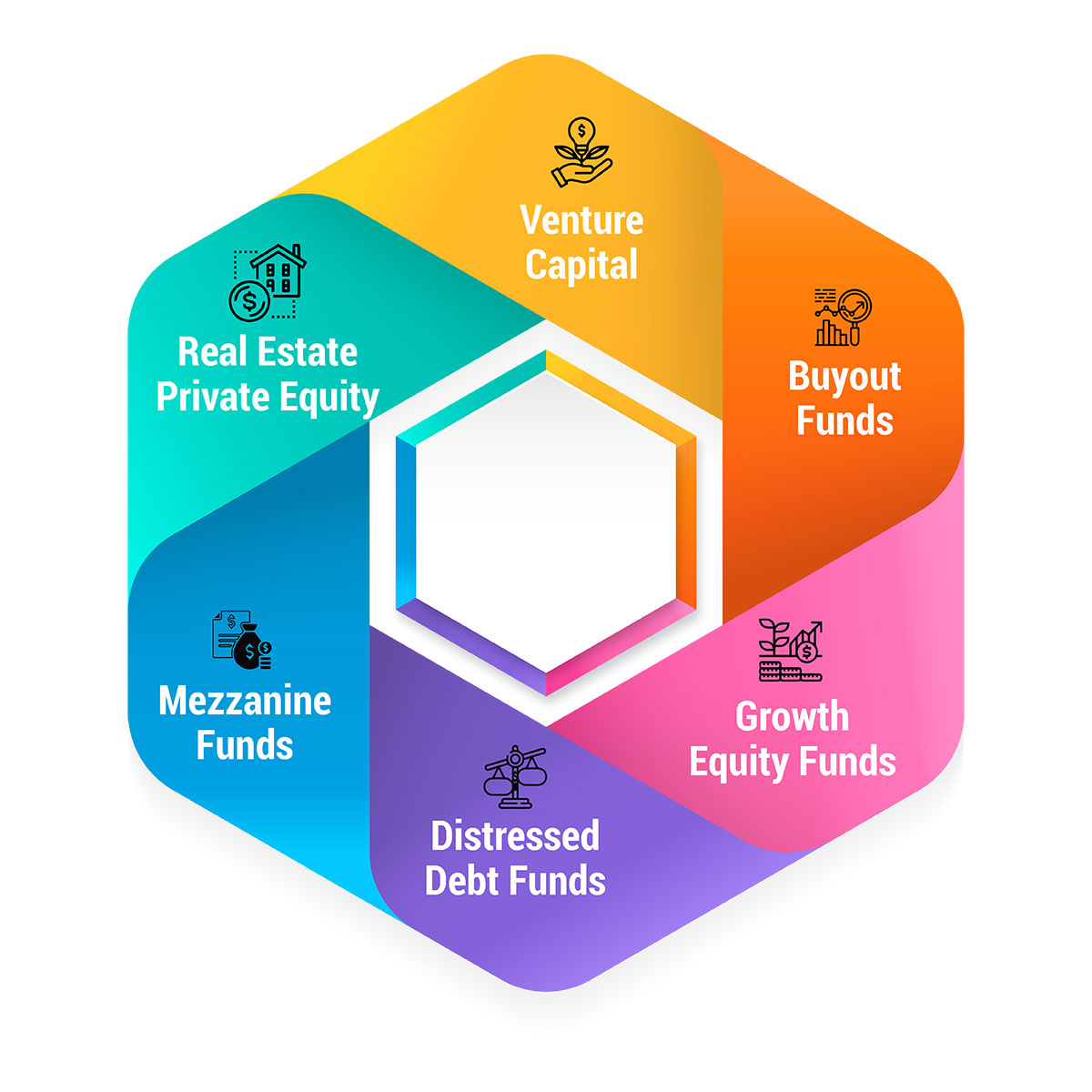
Private equity firms are pouring money into everyday businesses like dental practices, veterinary clinics, and home-service companies. These businesses may not seem as exciting as the next big tech startup, but they have something investors value: customers who keep coming back.
Dental care, plumbing, HVAC, auto repair, and similar services solve problems that don’t simply disappear when trends change. For private equity firms, that recurring demand can make a business easier to predict, improve, and grow.
Predictable Demand Makes Businesses More Valuable

Private equity isn’t always looking for the flashiest business. It often looks for companies with steady demand and revenue that can be easier to predict. Dental practices are a good example because people will continue needing cleanings, fillings, implants, and other dental services regardless of what’s trending. Dentistry also remains highly fragmented, with more than three quarters of practices operating as single office businesses. That gives investors thousands of independent practices they can potentially acquire and combine.
A business doesn’t need to be trendy to be valuable. If customers have a reason to return regularly, that can be more useful than one viral product or a temporary spike in demand. Small businesses can create this kind of predictability through maintenance plans, memberships, subscriptions, recurring services, or simply giving customers a reason to come back.
One Small Business Can Become More Valuable as Part of a Larger System

Private equity firms can create value by buying multiple similar businesses and combining parts of their operations. In dentistry, Dental Service Organizations, or DSOs, can handle areas like bookkeeping, marketing, and administration across multiple practices. Instead of every location paying to manage these functions separately, the larger organization can centralize them and potentially reduce costs.
Growth doesn’t always mean doing more work. Sometimes it means building systems that allow the same business to serve more customers without costs increasing at the same rate. Small businesses can use a similar approach by automating repetitive tasks, creating standard processes, or using software to handle work that doesn’t need to be done manually.
Small Businesses Don’t Have to Beat Big Competitors at Everything
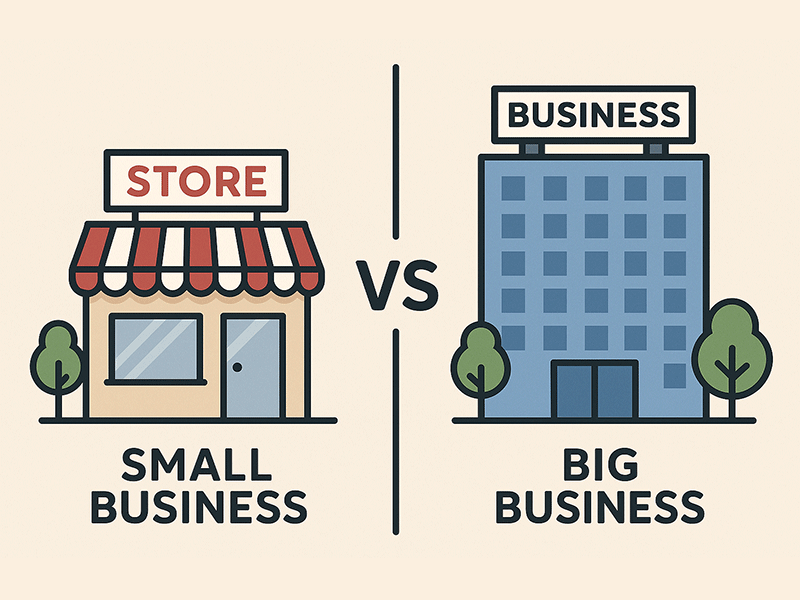
Private equity backed businesses can have major advantages in advertising, purchasing power, technology, and back office operations. But becoming part of a larger organization can also create pressure to cut costs and increase profits. In dentistry, critics have accused some PE-backed organizations of understaffing, overbooking, overcharging, and pushing higher-value procedures. These claims don’t apply to every PE backed practice, but they show how financial efficiency can sometimes come into conflict with the customer experience.
A small business probably can’t outspend a national chain, and it doesn’t need to. Instead, it can compete on things that are harder for a large company to reproduce: personal service, local relationships, specialized knowledge, responsiveness, and reputation. If a bigger competitor can beat you on price and advertising, give customers a reason to choose you for something they can’t get as easily somewhere else.
Takeaway
Private equity’s interest in everyday businesses shows that predictable demand can be one of a company’s biggest advantages. Businesses become more valuable when customers return, operations can run efficiently, and revenue doesn’t depend entirely on the next big trend.
Small businesses don’t need billions of dollars to use the same principles. Build something customers consistently need, create systems that make it easier to grow, and give people a reason to choose you over a bigger competitor.