



By: Kelly Hogan
Introduction
Successful businesses depend on more than just customers. They also rely on employees, suppliers, and business partners who help deliver their products or services. During a crisis, however, leaders often have to make difficult decisions about whose needs to prioritize first. Those decisions may protect one group while unintentionally damaging relationships with another.
When the COVID-19 pandemic brought global travel to a standstill, Airbnb faced exactly this challenge. Millions of reservations were canceled almost overnight, forcing the company to decide how to balance the needs of travelers with the needs of the hosts who supplied its rental properties. Airbnb’s pandemic response shows how protecting one side of a business can damage relationships with the partners it still depends on.

Businesses Must Balance the Needs of Every Group They Depend On
Businesses often rely on multiple groups to succeed, not just their customers. Companies that fail to balance those relationships risk damaging the partnerships that make their business possible.
Airbnb operates as a two sided marketplace. Guests create demand by booking stays, while hosts provide the homes and apartments that make those bookings possible. When the pandemic began, Airbnb allowed qualifying guests to cancel reservations and receive full refunds, even when those refunds overrode a host’s normal cancellation policy. Harvard Business School explained that Airbnb’s leaders faced a difficult trade off between protecting guests who could no longer travel and protecting hosts who depended on reservation income.

Businesses often serve multiple groups whose interests don’t always align. During a crisis, helping one group may unintentionally place financial pressure on another, making balanced decision making extremely important.
NBC Los Angeles interviewed Airbnb hosts who described losing large numbers of reservations almost immediately after the refund policy was announced. Some hosts explained that they depended on rental income to pay mortgages, property taxes, and other expenses. Many were frustrated because they believed Airbnb changed the cancellation rules without consulting the people supplying the company’s inventory.
Strong partnerships depend on trust as much as financial success. When business partners feel excluded from important decisions, relationships can quickly become strained even if the company is trying to solve a larger problem.
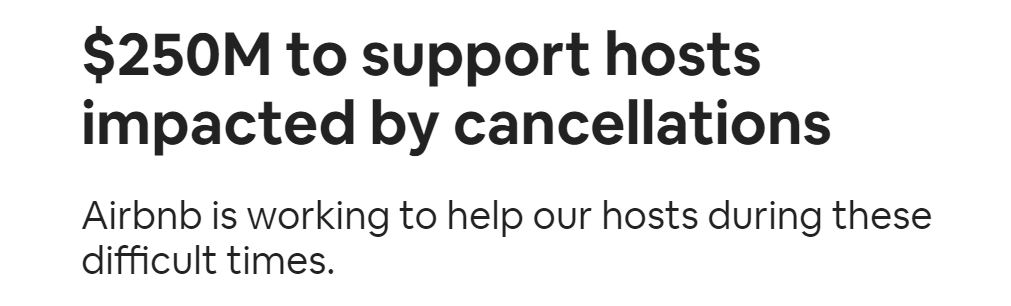
After recognizing the concerns raised by hosts, Airbnb introduced a $250 million Host Relief Fund. Eligible hosts received 25% of the amount they would normally have received under their cancellation policies for qualifying COVID related cancellations. J.P. Morgan explains that successful partner relationships require businesses to understand each group’s priorities, communicate expectations clearly, and treat important partners as long term collaborators rather than replaceable vendors.
Businesses often need to rebuild trust after difficult decisions. Supporting important partners, even after mistakes are made, helps strengthen relationships that are essential for long term success.
Airbnb’s experience demonstrates that businesses cannot focus on only one group during a crisis. Long term success depends on maintaining the trust of everyone the business relies on.
Crisis Decisions Need Fast and Transparent Communication
Even when difficult decisions are necessary, the way businesses communicate those decisions can greatly influence how customers and partners respond.
Many Airbnb hosts said their biggest frustration was not simply losing income, but learning about the company’s new refund policy after it had already been announced. They felt they received little warning or explanation before Airbnb changed rules that directly affected their businesses.

Clear communication helps people understand why difficult decisions are being made. Without timely explanations, stakeholders may feel ignored or believe their concerns were not considered.
The Public Relations Society of America explains that when organizations leave information gaps during a crisis, people naturally fill those gaps with their own assumptions. Frequent, honest communication helps reduce confusion while giving stakeholders a better understanding of what leaders know, what remains uncertain, and why certain decisions are necessary.
Transparency becomes even more valuable during uncertain situations. Businesses that communicate openly are often better able to preserve trust than those that remain silent or provide limited information.
Forbes emphasizes that effective crisis communication requires visible leadership, accountability, and consistent messaging from senior executives. Brian Chesky later acknowledged that Airbnb initially focused primarily on protecting guests and eventually realized the company also needed to rebuild trust with hosts through better communication and financial support.
Admitting mistakes and communicating honestly can help businesses begin rebuilding damaged relationships. While transparency may not eliminate disagreement, it gives stakeholders confidence that leaders are acting responsibly.
This connects back to the introduction because Airbnb’s experience shows that crisis decisions are judged not only by the outcome, but also by how clearly and honestly they are communicated.
Financial Flexibility Helps Businesses Protect Important Relationships
Companies with stronger finances have more options during difficult times. Building financial flexibility before a crisis allows businesses to support more of the people they depend on.
During the first eight weeks of the pandemic, Airbnb reportedly lost about 80% of its business as travel demand collapsed around the world. To survive, the company raised approximately $2 billion in emergency financing, reduced marketing expenses, paused nonessential projects, and laid off roughly one quarter of its workforce.
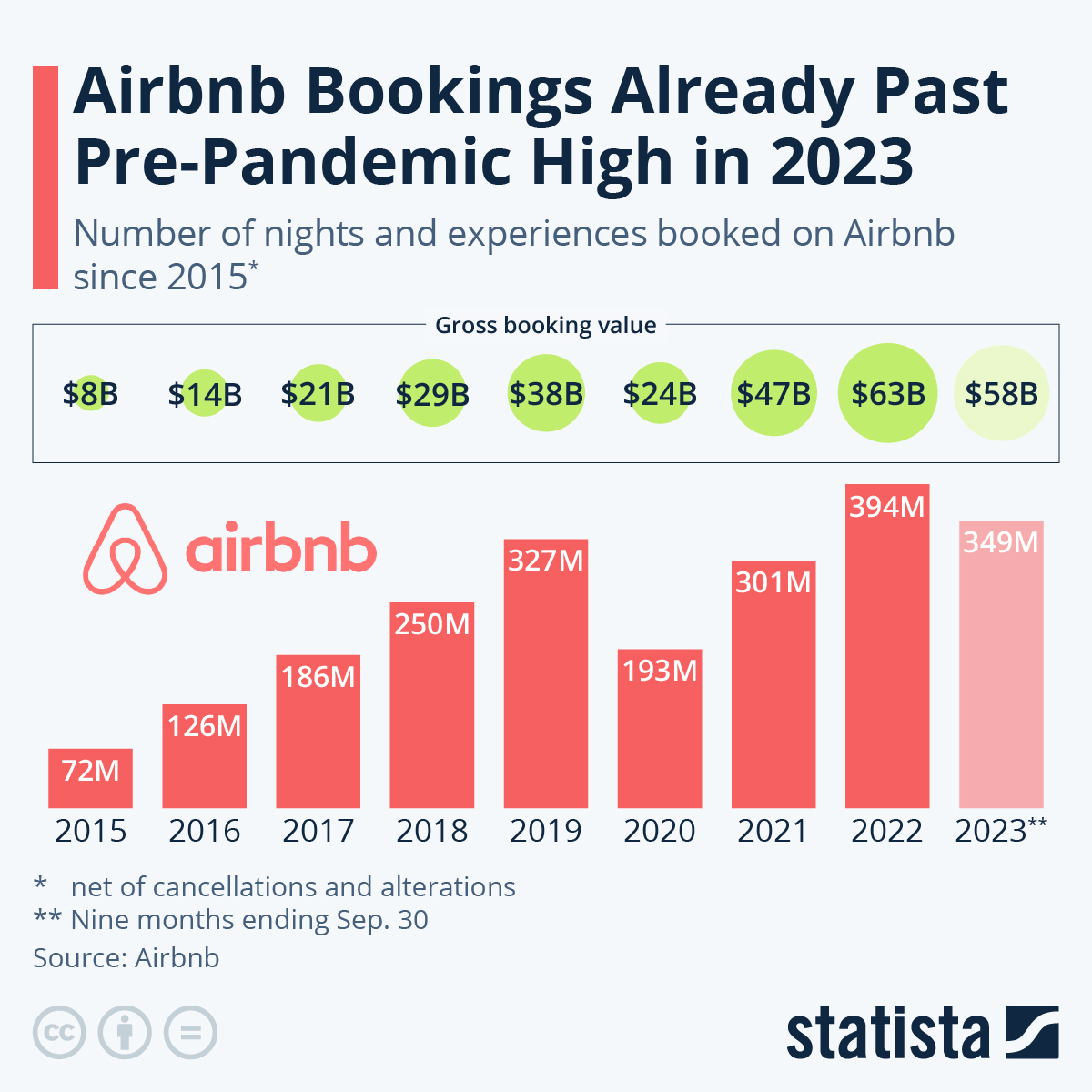
Even successful businesses can experience sudden financial crises. Companies that lose revenue quickly often must make difficult decisions simply to remain operational.
The emergency financing reportedly came with expensive borrowing terms, demonstrating that businesses forced to raise money during a crisis often have much less negotiating power than companies that prepare ahead of time. Businesses with cash reserves, manageable fixed costs, and reliable access to funding usually have greater flexibility when unexpected challenges arise.

Financial preparation creates more choices during difficult situations. Businesses that maintain healthy finances before a crisis are better positioned to protect customers, employees, and business partners at the same time.
Although Airbnb’s $250 million Host Relief Fund provided meaningful financial assistance, it covered only part of the income many hosts expected to receive. The company was trying to preserve host relationships while also managing its own severe cash flow challenges, illustrating how limited financial resources can force businesses to make imperfect decisions.

Financial flexibility affects more than a company’s balance sheet. Businesses with stronger financial reserves are often better able to preserve important relationships because they have more resources available to support stakeholders during difficult times.
This brings the discussion back to the introduction because Airbnb’s pandemic response demonstrates that financial preparation allows businesses to better protect both their customers and the partners they depend on.
Main Takeaway
Airbnb’s response to the COVID-19 pandemic demonstrates that successful businesses must balance the needs of every group they depend on. Protecting customers is important, but maintaining strong relationships with business partners is equally essential for long term success. The company’s experience also highlights the importance of transparent communication and financial preparation during times of uncertainty. Businesses that communicate openly, build financial flexibility, and consider the needs of all stakeholders are better equipped to survive crises while preserving the trust that supports long term growth.