



Introduction
In the mid-1990s, NVIDIA was nearly out of money after its first major product failed. With only about a month of payroll left, the company faced the possibility of shutting down before it had ever found success.
Instead of giving up, NVIDIA changed direction. By listening to customers, focusing its remaining resources, and learning from its mistakes, the company transformed one of tech’s biggest early failures into one of the biggest business success stories.
Listen to Customers, Not Just Your Own Ideas
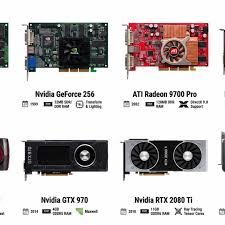
NVIDIA’s first graphics chip, the NV1, failed because it relied on technology that game developers didn’t want to use. Rather than insisting customers adapt, the company redesigned its products around the technology developers were already building for. That shift led to the successful launch of the RIVA 128 in 1997, followed by the GeForce 256 in 1999, which is widely considered the world’s first GPU.
NVIDIA’s turnaround began when it stopped focusing on what it thought customers wanted and started listening to what they actually needed. Sometimes the fastest path to success is changing direction before it’s too late.
Good Cash Management Can Buy a Business More Time

After the NV1 failed, NVIDIA reportedly had only enough money to cover about one month of payroll. Instead of spreading its remaining resources across multiple projects, the company concentrated nearly all of its efforts on developing one product with the greatest chance of succeeding. The RIVA 128 generated the revenue needed to stabilize the business and keep the company alive.
Many businesses fail because they run out of cash before they find a winning product. Managing money carefully during difficult times can give a company the opportunity it needs to recover.
Failure Can Become a Competitive Advantage
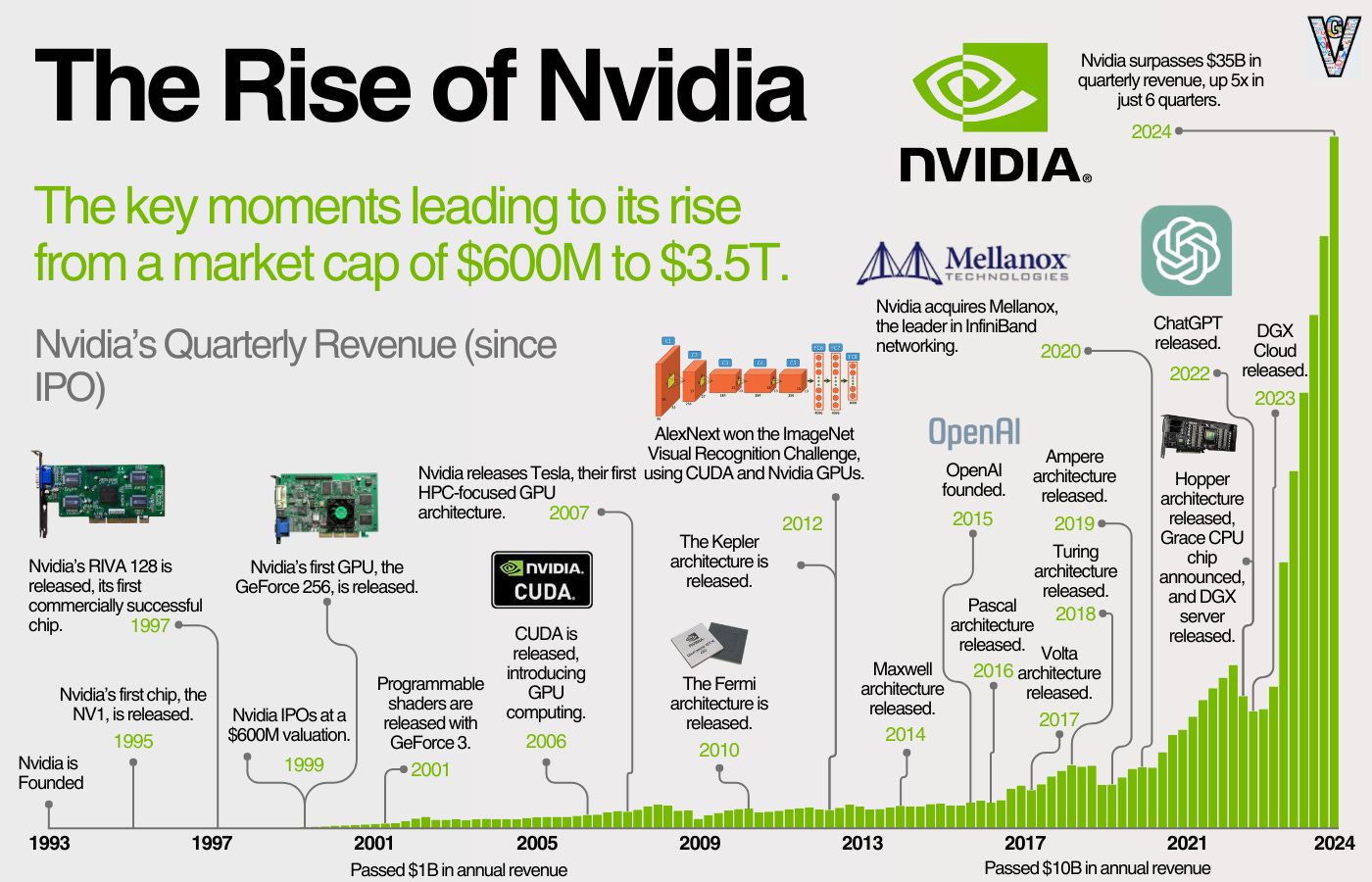
NVIDIA’s early setbacks helped shape the company’s culture of continuous improvement. CEO Jensen Huang has often described failure as one of his greatest teachers, and that mindset eventually helped NVIDIA expand far beyond gaming into artificial intelligence, robotics, autonomous vehicles, and data centers. Forbes also notes that organizations willing to learn from mistakes are often better prepared for future challenges.
Failure doesn’t have to define a business. Companies that treat setbacks as learning opportunities often become stronger because of them.
Takeaway
NVIDIA’s story proves that an early failure doesn’t have to determine a company’s future. By listening to customers, protecting its cash, and learning from mistakes, the company built the foundation for decades of innovation.
Every business will face setbacks. The ones that recover fastest are usually the ones that adapt instead of refusing to change.