


Tesla built enormous excitement around its robotaxi vision, but its shifting timelines show how difficult it can be to maintain credibility when expectations outpace delivery.
For years, Tesla has been treated less like a car brand and more like a preview of the future. But there's a difference between painting a picture of what's coming and actually making it show up on time, and robotaxis seem to have become the clearest example of that gap yet.
What Actually Happened
Since 2019, Tesla has talked about a future where owners could turn their cars into self-driving taxis and earn passive income while they sleep. It was a massive vision, the kind that turned buying a car into an investment story.
Then, in June 2025, Tesla finally launched its actual robotaxi service in Austin. It started small: a limited fleet of Model Y vehicles, invite-only, with a safety monitor still riding in the front seat. It looked like a meaningful first step, though a pretty different one from the nationwide network owners had been imagining for years.
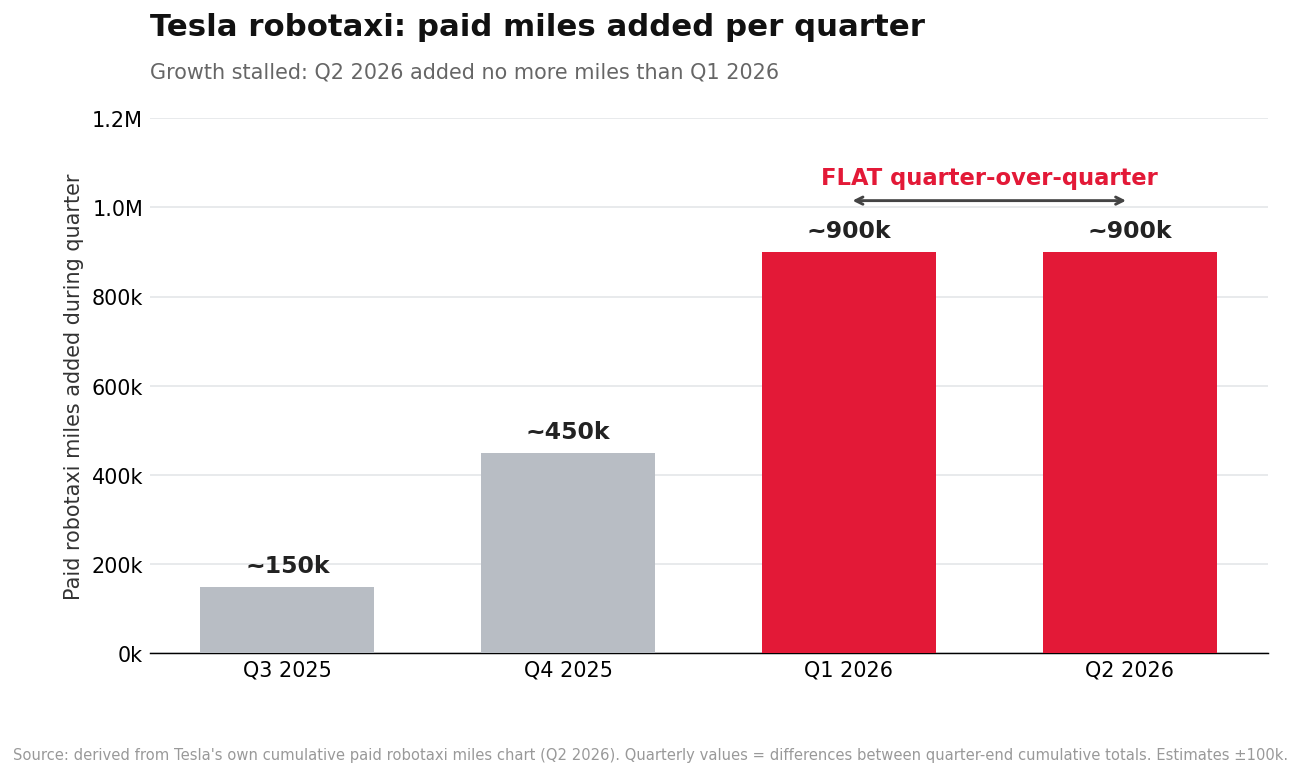
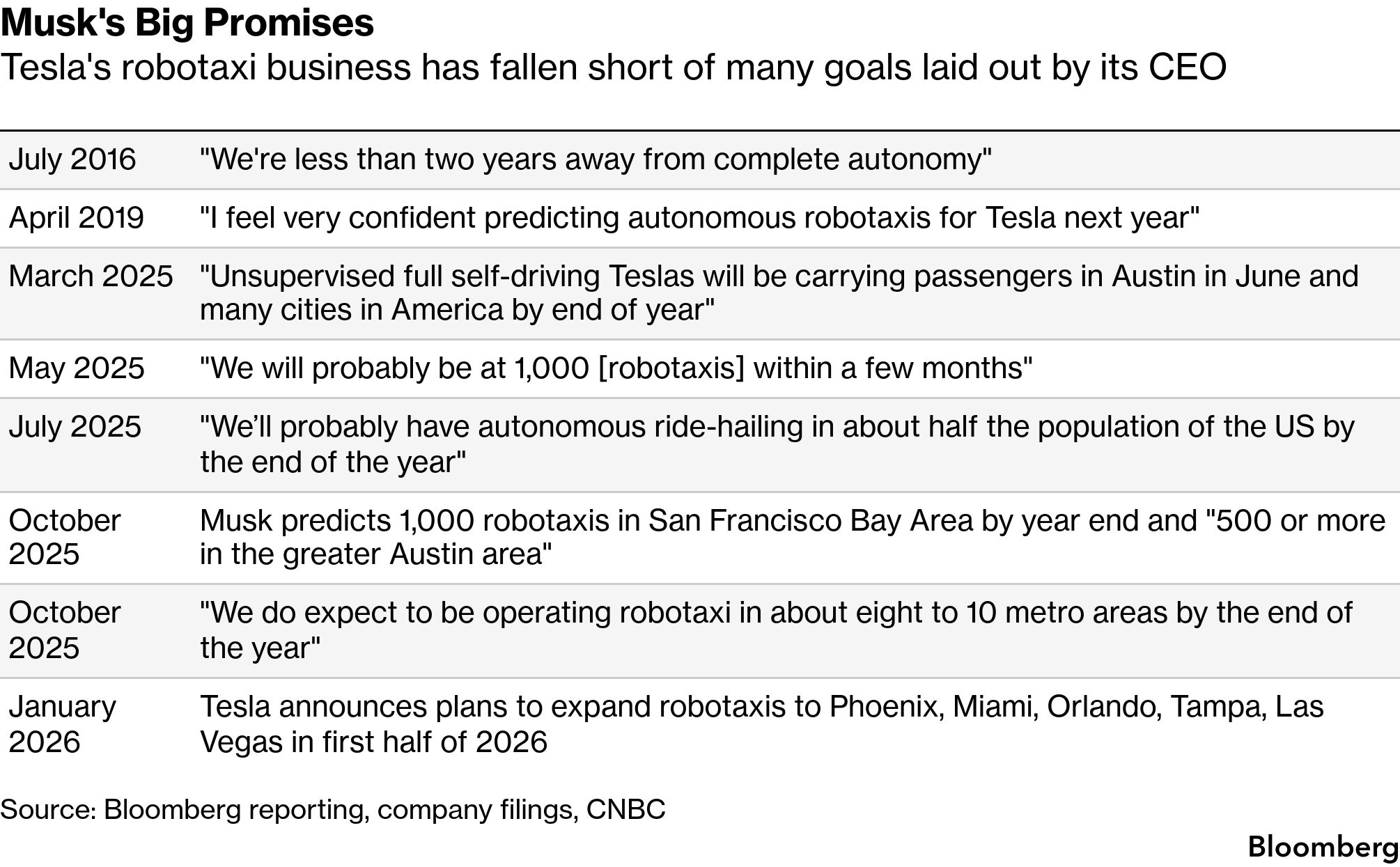
Since then, the rollout has continued to fall short of the company's earlier projections. CEO Elon Musk once said the robotaxi network would expand at a "hyper-exponential rate" and reach half the U.S. population by the end of 2025. That didn't happen. By mid-2026, Tesla's own numbers showed robotaxi miles driven actually flattening quarter over quarter, even as the company kept talking about going "balls to the wall" on autonomy.
The technology could still be real, and Tesla could still get there eventually. What does seem clear so far is that the company has gotten better at describing the future than at predicting when it will actually show up.
One Broken Promise Is Forgivable, But A Pattern of Them Isn't
Ambitious projects hit delays fairly often, and missing a deadline once doesn't seem to bother most people much. It's when optimistic timelines keep slipping year after year that people seem to start wondering whether the next projection will be any different.
Tesla's robotaxi rollout looks like a clear example of that pattern. Reporting from The Verge and Startup Fortune has pointed out that the actual service remains far smaller than what was originally promised, and still trails competitors like Waymo, which operates in more cities with a larger fleet and far more completed rides.
There's more riding on this than just one feature arriving late. Tesla had sold owners on the idea of earning money from a robotaxi network that would scale quickly, and every year that promise didn't materialize, it appeared to stop looking like a delayed rollout and started looking like an expectation people had bought into for nothing.
It's also not the first time Tesla has missed an ambitious timeline. The company has talked about full self-driving and robotaxis being just around the corner since 2016. One missed forecast is easy enough to shrug off, but nearly a decade of shifting timelines starts to look less like bad luck and more like a habit.
These missteps say less about any single missed date and more about what adds up over time. Each new announcement seems to get read less as something to believe and more as something to wait and see.
Great Brands Set High Expectations, But They Have to Deliver on Them Too
Big announcements can be exactly what makes a company exciting to follow. Things get complicated when the excitement consistently gets ahead of what's actually ready.
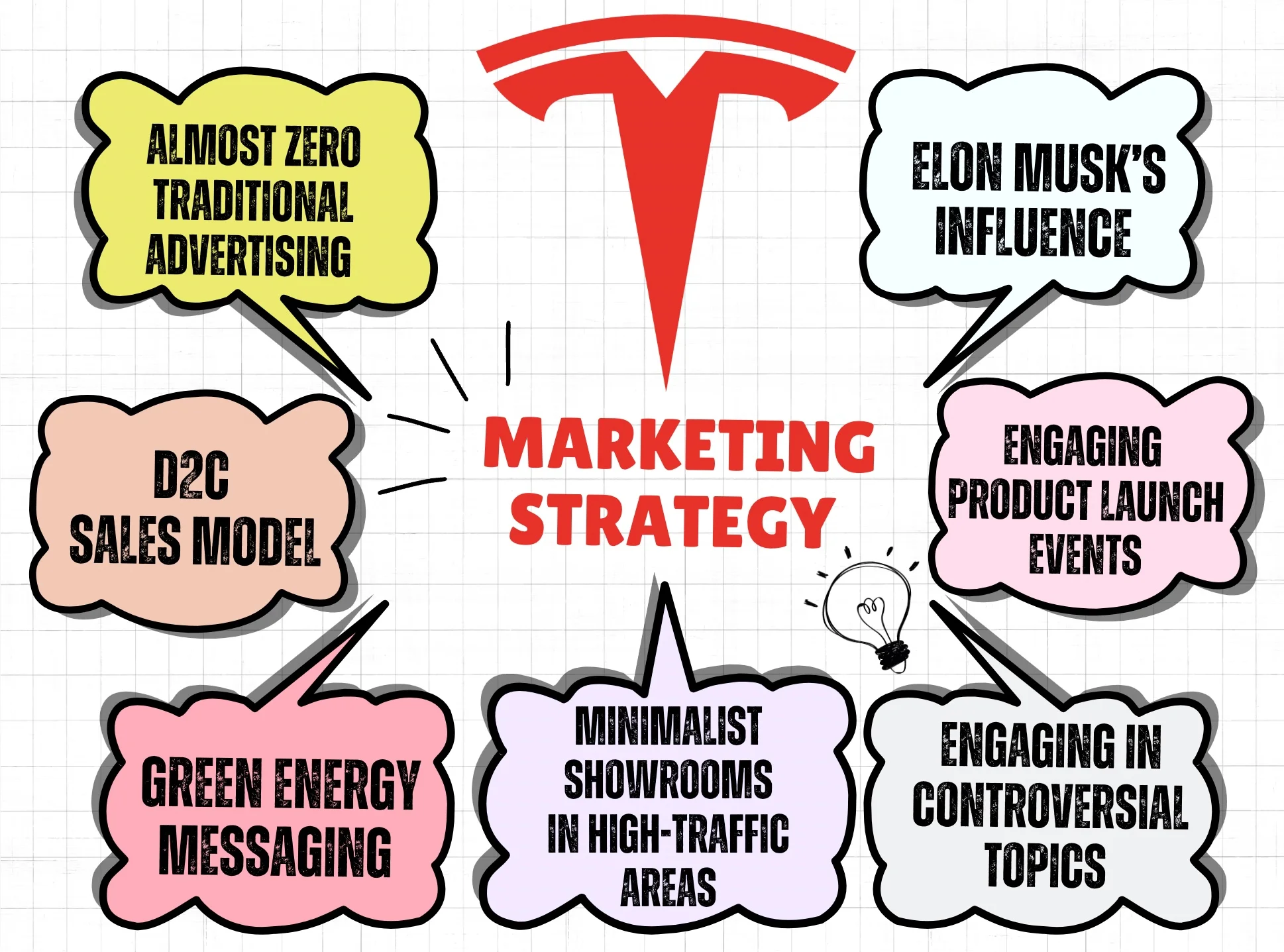
Tesla built its entire marketing approach around this kind of excitement, leaning on anticipation and word-of-mouth instead of traditional ads, with a fanbase that amplifies every announcement Musk makes. That strategy has clearly worked, helping Tesla become one of the world's most recognizable automakers on a fraction of the usual ad budget.
Part of why it works so well comes down to what Tesla is actually selling. It isn't just cars, it's a picture of the future, and customers seem to want to buy into that future as much as the vehicle itself. It's the idea of owning a small piece of what's coming next, not just a way to get from point A to point B.
That's also where the risk comes in. The bigger the picture gets, the harder it is to sustain once reality can't keep pace. A smaller company quietly pushing back a launch date might barely make the news, whereas Tesla adjusting a timeline central to its whole story turns into a headline instead.
Put these pieces together and the disconnect is clear: building excitement and actually delivering on it have been running at two very different speeds for Tesla. The marketing, the vision, the anticipation, all of it has been firing on all cylinders for over a decade. Delivery keeps lagging behind, and that gap looks like where high expectations start working against the brand instead of for it.
Transparency Builds Longer-Lasting Trust Than Hype Does
Here's my question for Tesla Earnings call up on Say.
— Josh (@CyberSolarX) July 15, 2026
Tesla has missed short term guidance on robotaxi 3 earnings reports in a row, from 50% coverage of USA by end of 2025 to most recently 7 new cities in 1H26. What is keeping Tesla back from accomplishing these short term goals…
Hype is good at grabbing attention quickly. Whether it holds up seems to depend on what happens next: excitement built on hype tends to fade fast once reality falls short of it, while credibility built through transparency tends to hold up a lot longer.
Tesla's robotaxi rollout has run into real, well-documented obstacles: regulatory approval processes that vary city by city, technical limitations that require caution, and the simple fact that autonomous driving at scale is an extremely hard problem. TechCrunch has reported on these operational and regulatory hurdles slowing expansion in detail.
Those obstacles aren't unusual for a company trying to solve autonomous driving at scale. What stands out more is how Tesla has talked about them. Rather than clearly explaining why progress has taken longer than expected, the company has often kept projecting aggressive timelines even when its own numbers painted a more measured picture.
People tend to stay more patient when they understand what's actually causing a holdup. When a company openly says, "this turned out to be harder than we expected, and here's what we're doing next," customers appear more willing to adjust their expectations and stick around. When optimistic forecasts keep coming even as the numbers slow down, the delay starts to feel less like a technical setback and more like something that wasn't fully disclosed.
The pattern worth noticing here is that honesty about limitations seems to buy a company more patience than another round of confident announcements does. Whatever timeline the robotaxi network ends up on, the company appears to be spending the goodwill that would carry it there instead of holding onto it.
Main Takeaway
This is really less a story about self-driving cars and more a story about credibility. Excitement is easy to generate with one big announcement, but credibility is built over time by consistently delivering on what you say you're going to do.
The real tension underneath all of this is that Tesla painted a compelling picture of the future, but it hasn't brought that picture to life as quickly as many expected. Companies that hold onto customer confidence over the long run usually leave themselves room to exceed expectations instead of spending years trying to catch up to them.
Looking ahead, I don't expect that gap to close for Tesla anytime soon. Autonomous driving is hard enough on its own, and Tesla is trying to solve it while also managing years of sky-high expectations. Until the rollout starts consistently matching the vision, every new milestone is likely to face more scrutiny, not because progress isn't happening, but because expectations have been so high for so long.