


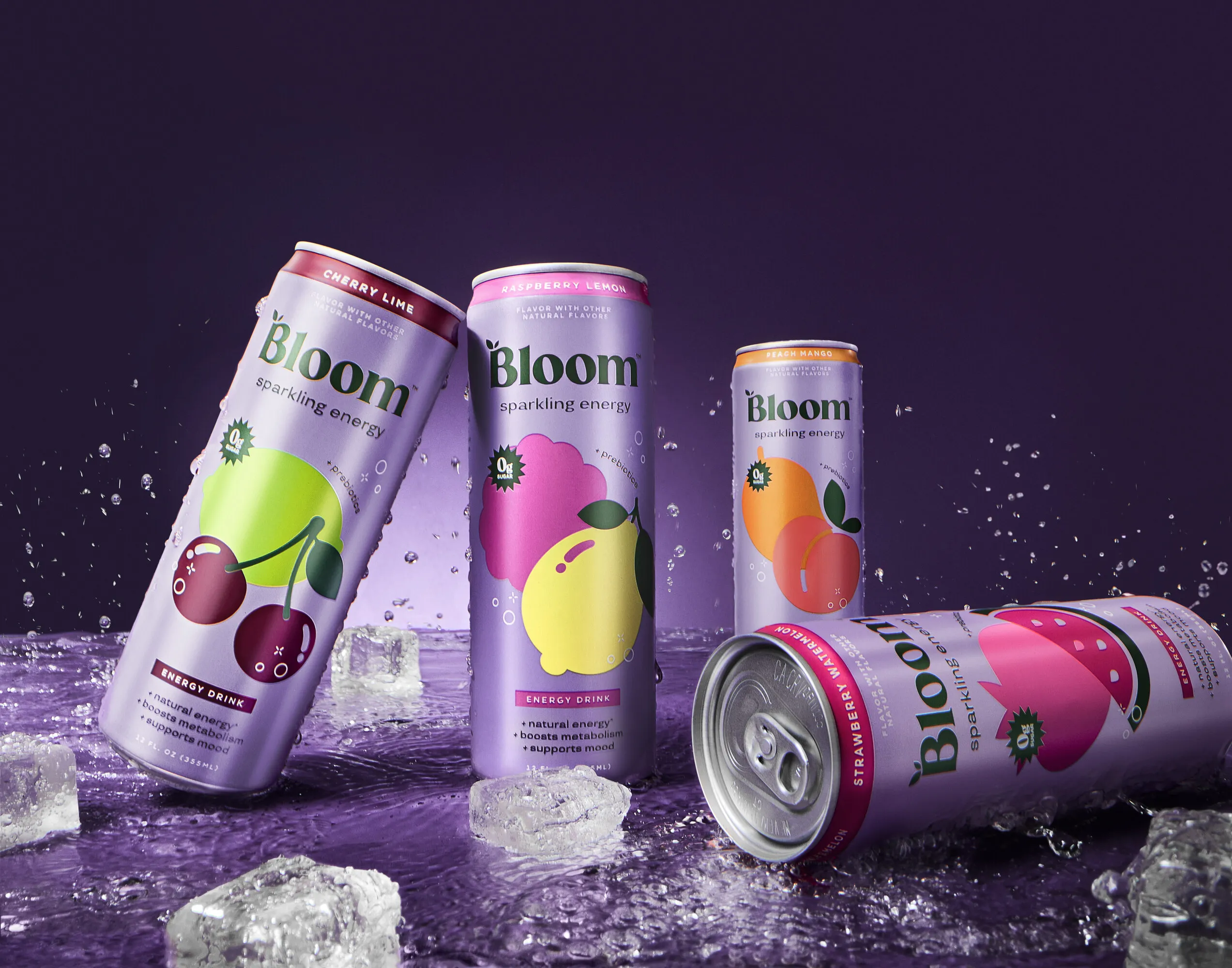

The energy drink aisle is already packed. Monster, Red Bull, Celsius, and plenty of other brands have spent years teaching people to buy their cans, so a launch from Bloom Nutrition looked like one more can in a very full aisle. In its first year, the drink brought in more than $100 million in sales.
According to Entrepreneur, Bloom’s Sparkling Energy line went from zero to eight figures in sales in six months and now accounts for most of the company’s business. CEO Greg LaVecchia is open about the idea itself not being original.
Bloom started in 2019 as a greens powder brand founded by Mari Llewellyn and LaVecchia. It landed in Target, Walmart, and Amazon and reached roughly $175 million in annual revenue within four years, according to Inc. When it launched Sparkling Energy in July 2024 as its first ready-to-drink product, it went straight up against those established names, and the drink has since climbed to number two on Amazon’s energy drink bestseller list.
A drink shoppers already knew how to buy became the biggest part of Bloom’s business, which is a strange result for an idea nobody would call new.
Crowded Categories Come With Free Education
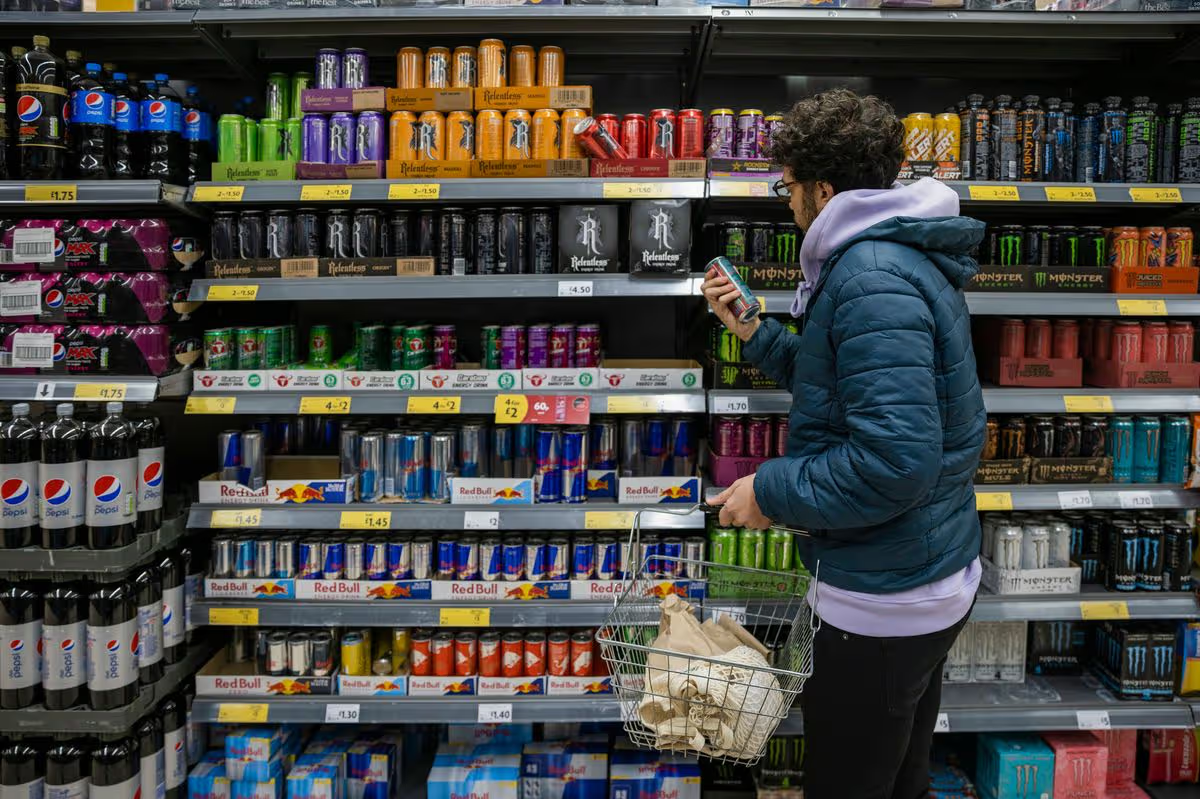
Launching a completely new product comes with an extra expense, which is convincing people they need it in the first place. Energy drinks came with that part already done, since shoppers knew the category well.
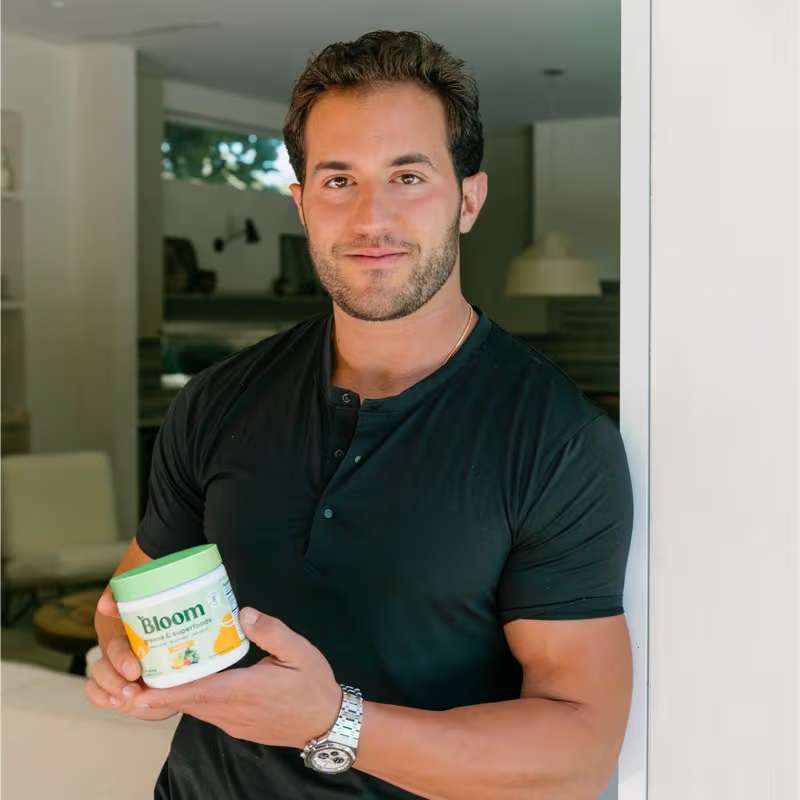
LaVecchia told Entrepreneur that a saturated market looks like an opportunity to him because “someone has already done so much education for me.” Shoppers already knew what energy drinks do and where to find them, so the challenge was getting someone to reach for Bloom instead of the can sitting next to it.
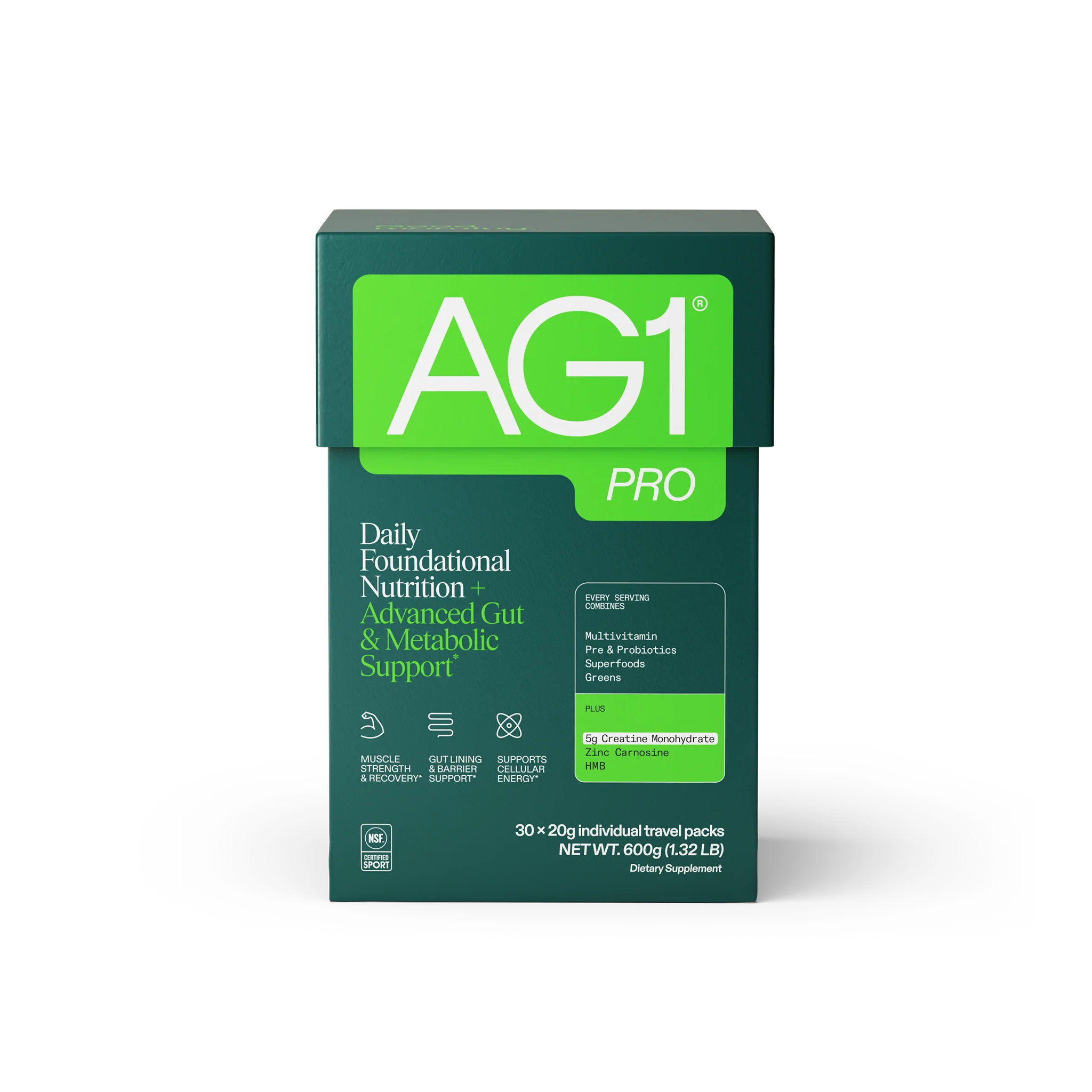
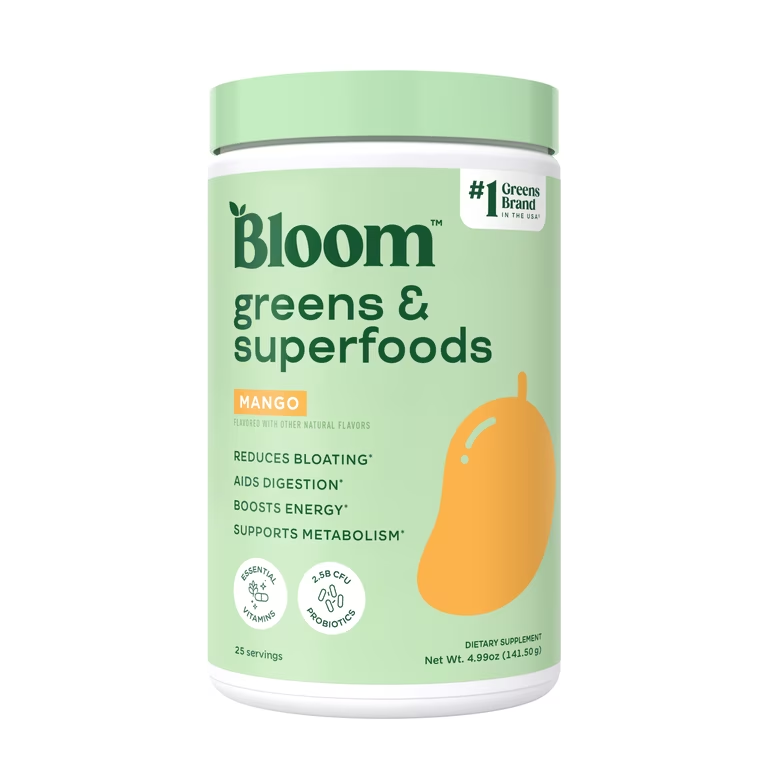
Bloom had watched this play out with greens powder too. Athletic Greens, now AG1, put serious money into podcasts, celebrity endorsements, and press coverage to get people interested in drinking their greens, and LaVecchia says it cost around $100 and was only sold online. Bloom offered a cheaper option in stores like Target, Walmart, and Costco, where shoppers could pick it up on a regular shopping trip.
By the time Bloom arrived, AG1 had done much of the work of building awareness, which left room for a brand with a different price and an easier way to buy. Bloom’s early growth suggests the approach worked. Energy drinks looked like the same opportunity on a much bigger scale.
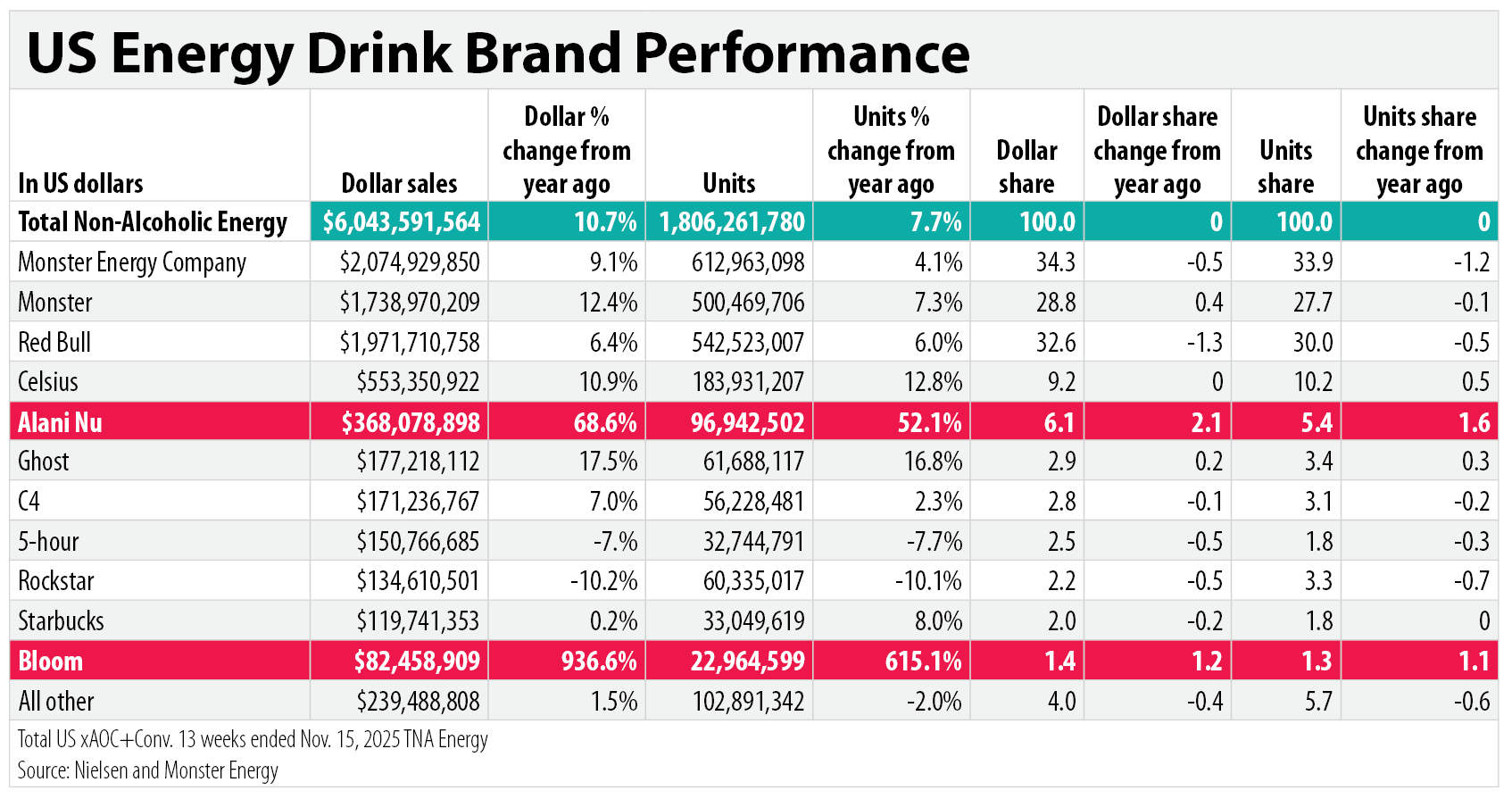
According to WWD, Circana data put U.S. energy drink sales at nearly $22 billion for the year ending June 2024. More recently, Food Business News reported that Monster alone held about 34% of the market and brought in more than $2 billion in a single 13-week period. With that much demand already in place, Bloom’s task came down to giving shoppers a reason to try a different brand.
Greens powder and energy drinks had both been explained to shoppers before Bloom showed up, which helps explain how a drink with so little that was new could take off. Its budget could go toward winning the sale instead of teaching the category. For businesses looking at crowded markets, that groundwork can work as a head start, since competitors have spent years building shopping habits that a newer brand can lean on.
Familiarity only goes so far, though. Bloom still needed a reason for shoppers to choose its can.
The Best Gaps Are Small and Specific
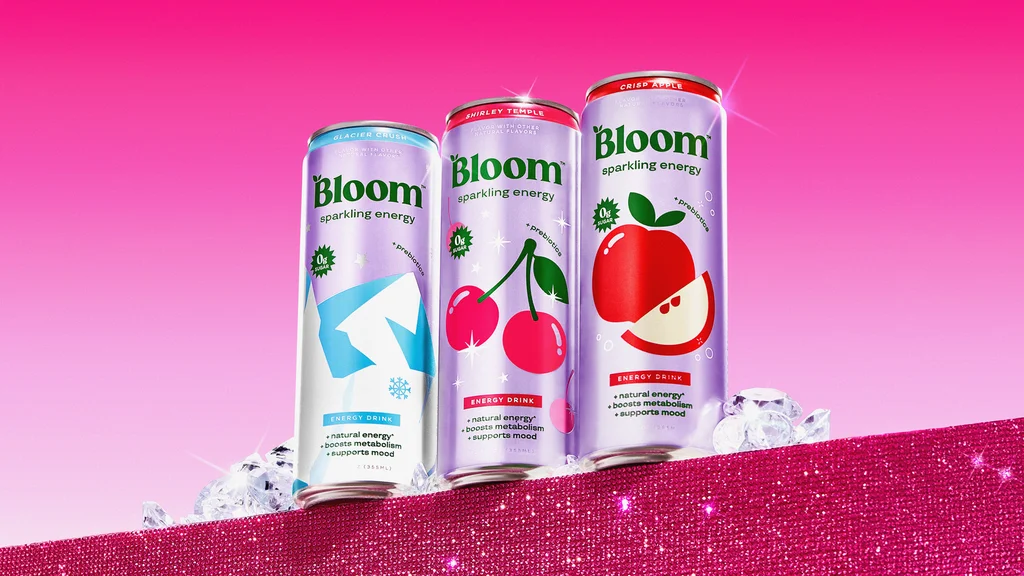
Making another version of what shoppers could already buy probably wouldn’t have gone far, so Bloom made a few deliberate choices about who the drink was for, how it looked, and what to keep familiar.
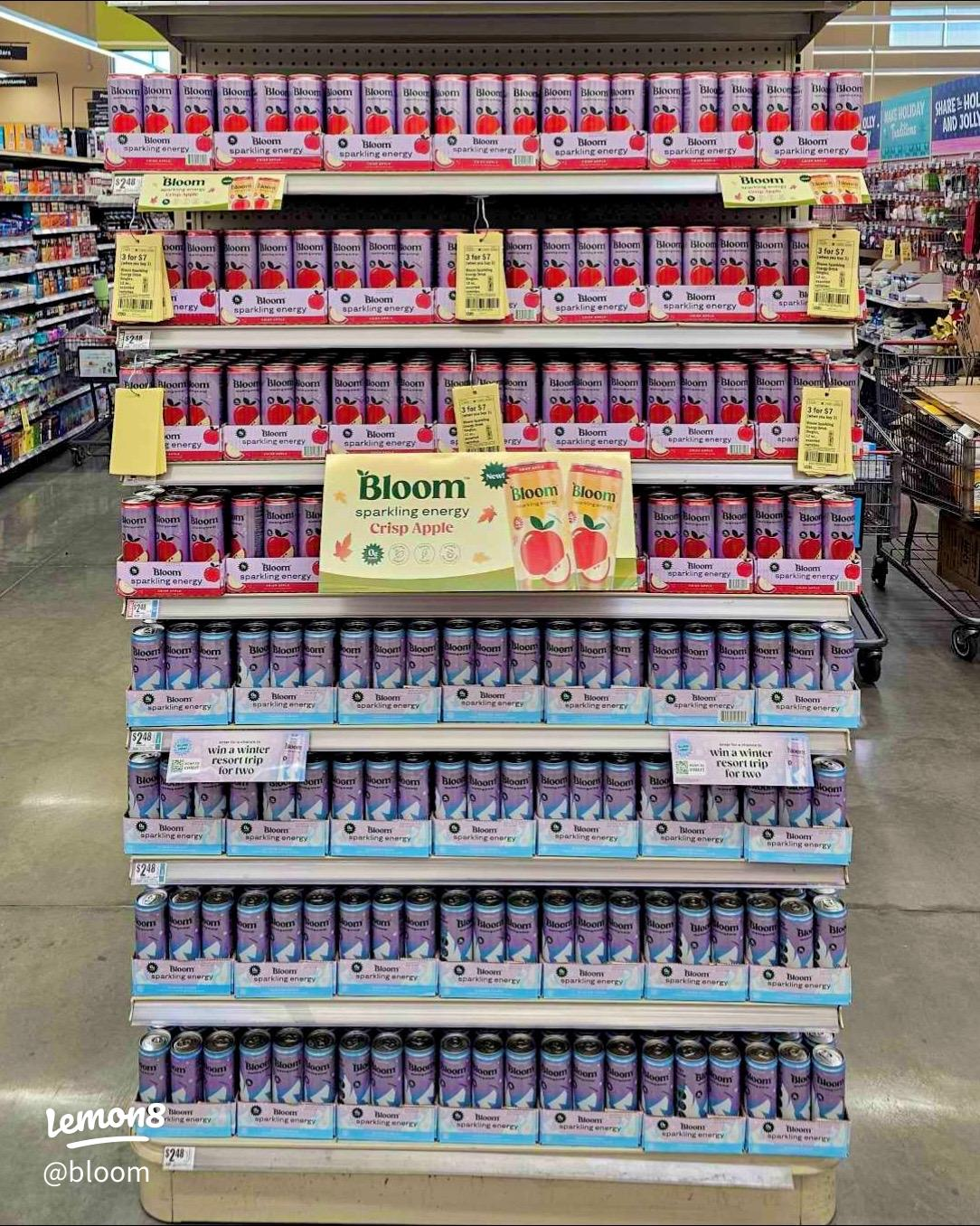
First, Bloom saw an opportunity with women. LaVecchia says the category wasn’t offering women a slightly better-for-you option, so Sparkling Energy came with zero sugar and added prebiotics, and WWD described it as a more women-centric alternative to the hyper-masculine energy drinks already on the market.
Bloom’s launch announcement also said energy came up consistently with its customers, and Inc. reports they had been asking for both Sparkling Energy and the later Bloom Pop soda in Instagram polls and email surveys. With customers asking directly, the gap was easy to see from the inside.
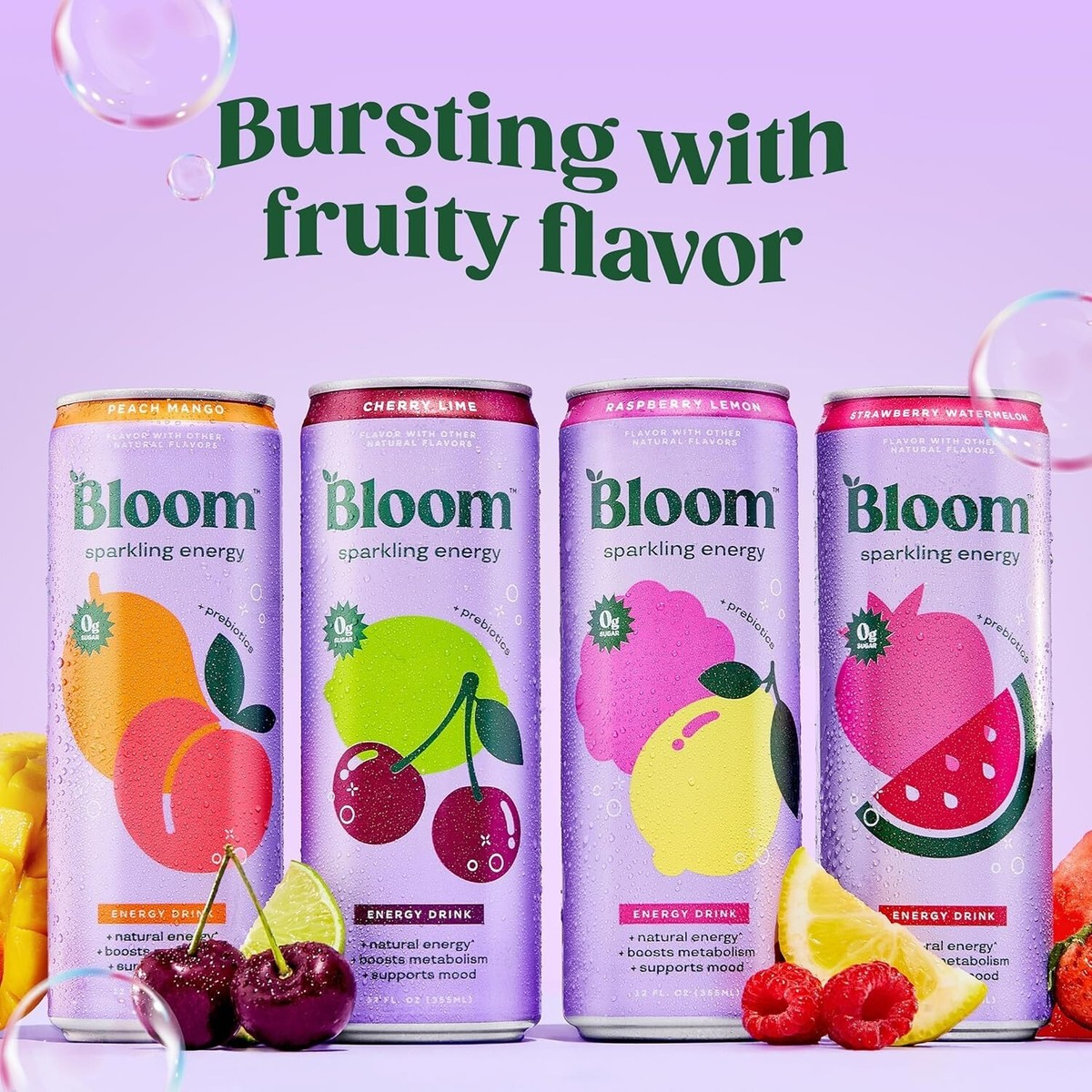
The packaging made that audience clear, as Bloom’s in-house design team created a lilac-purple can aimed at younger women. That gave Bloom a drink designed with a specific shopper in mind, along with a recognizable look on shelves full of competing cans.
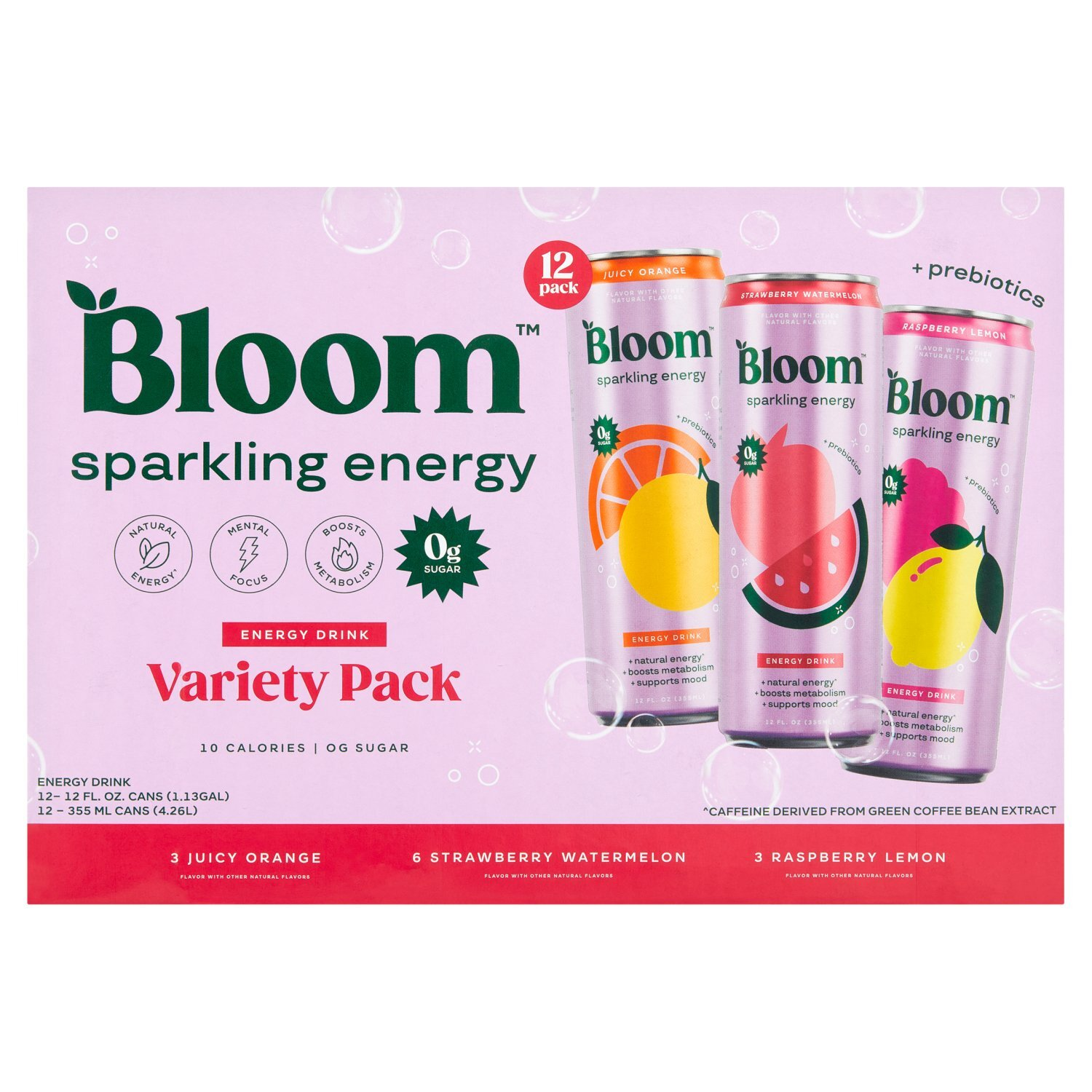
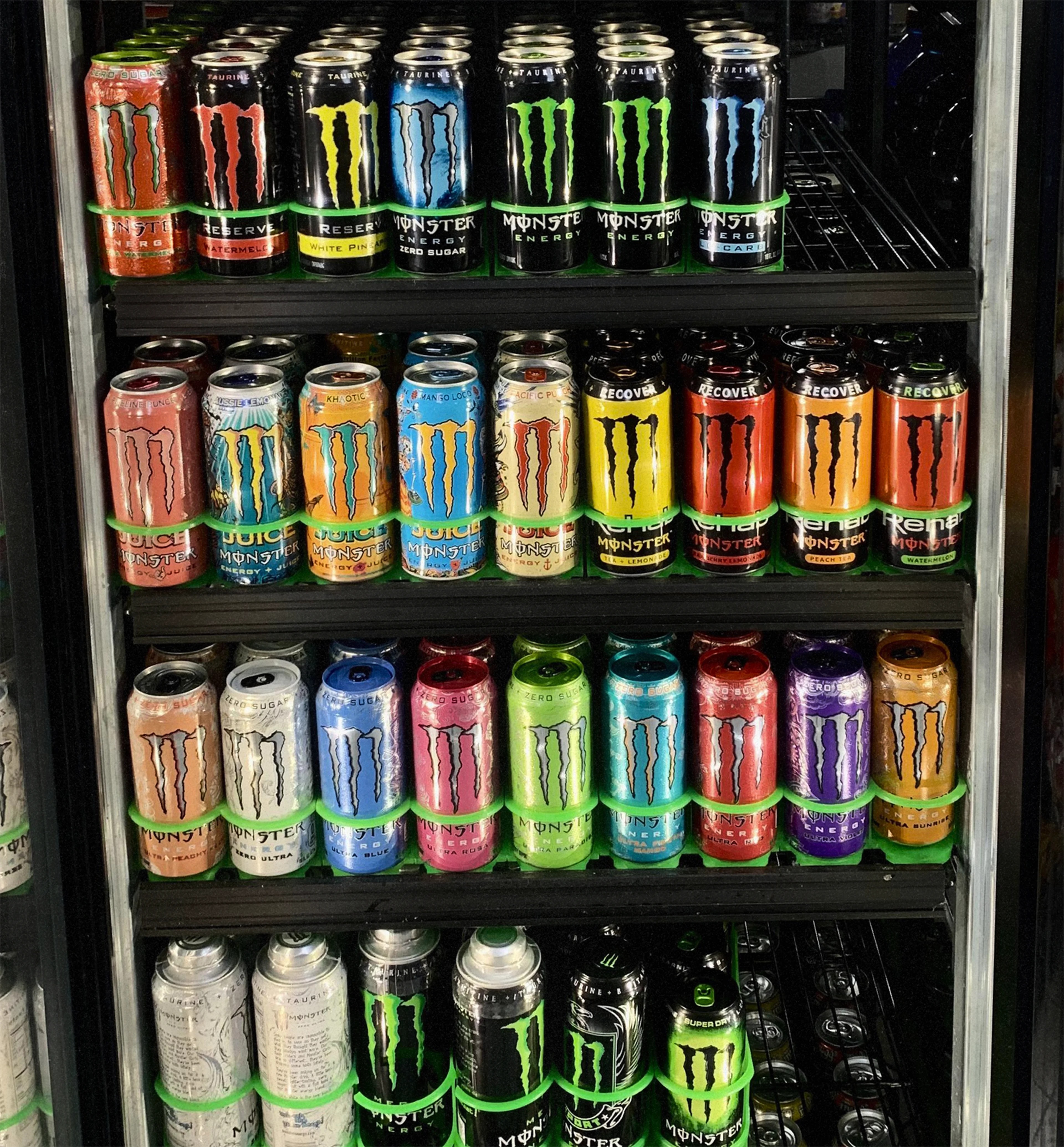
Bloom also kept plenty familiar. LaVecchia has pointed out that a brand entering an established category can borrow cues customers already recognize, like the slim aluminum can people associate with energy drinks. Shoppers could tell right away that this was an energy drink and then decide whether the formula, branding, and price appealed to them. Bloom kept what already worked in the category and changed only what mattered to its shopper.
Bloom’s drink wasn’t new as a concept, but a few specific choices about the audience, the look, and the format gave one group of shoppers an obvious reason to pick it. Other industries may have similar openings in an overlooked audience, a price point that feels out of reach, or a design that hasn’t quite clicked with the people buying.
Spotting the gap was only half the job, since Bloom also had to act on it before anyone else did.
A Gap Only Helps If You Move Before It Closes

Openings in a popular category tend to close once other brands notice them, so how fast a business acts matters as much as what it spots.
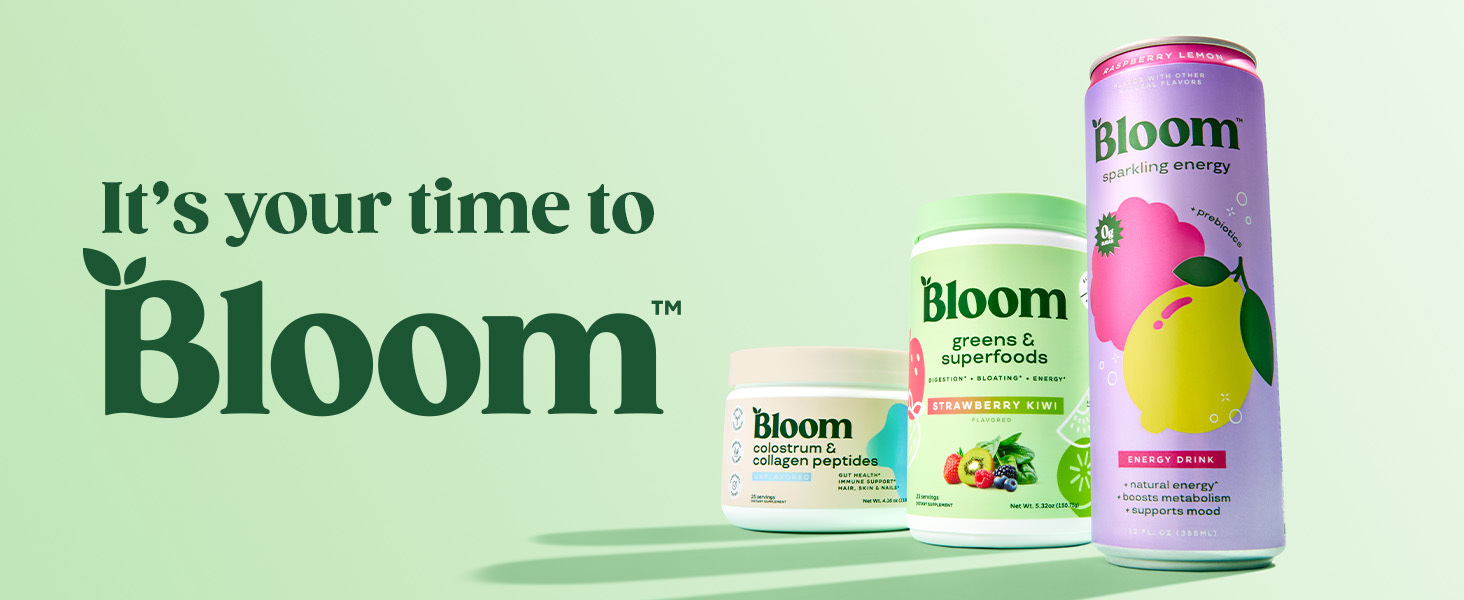
Bloom already had a profitable greens powder business, which would have made it easy to stay put. LaVecchia expected that market to cool off and saw more room in energy, so he deliberately shifted resources away from the powders and toward energy. Betting on a less established product carried some risk, but it probably also gave the team a clearer direction and a better shot at moving quickly.
View this post on Instagram
That focus shows up in the timeline. Inc. reports that Bloom took Sparkling Energy from idea to shelf in about six months, after raising a $90 million funding round in January 2024. It launched exclusively at Target in July 2024, then expanded through a Keurig Dr Pepper distribution deal into Walmart, Kroger, and Albertsons by early 2025, with Costco following that June. Starting with one retailer kept the rollout focused and let the company see how the product performed before building from there.
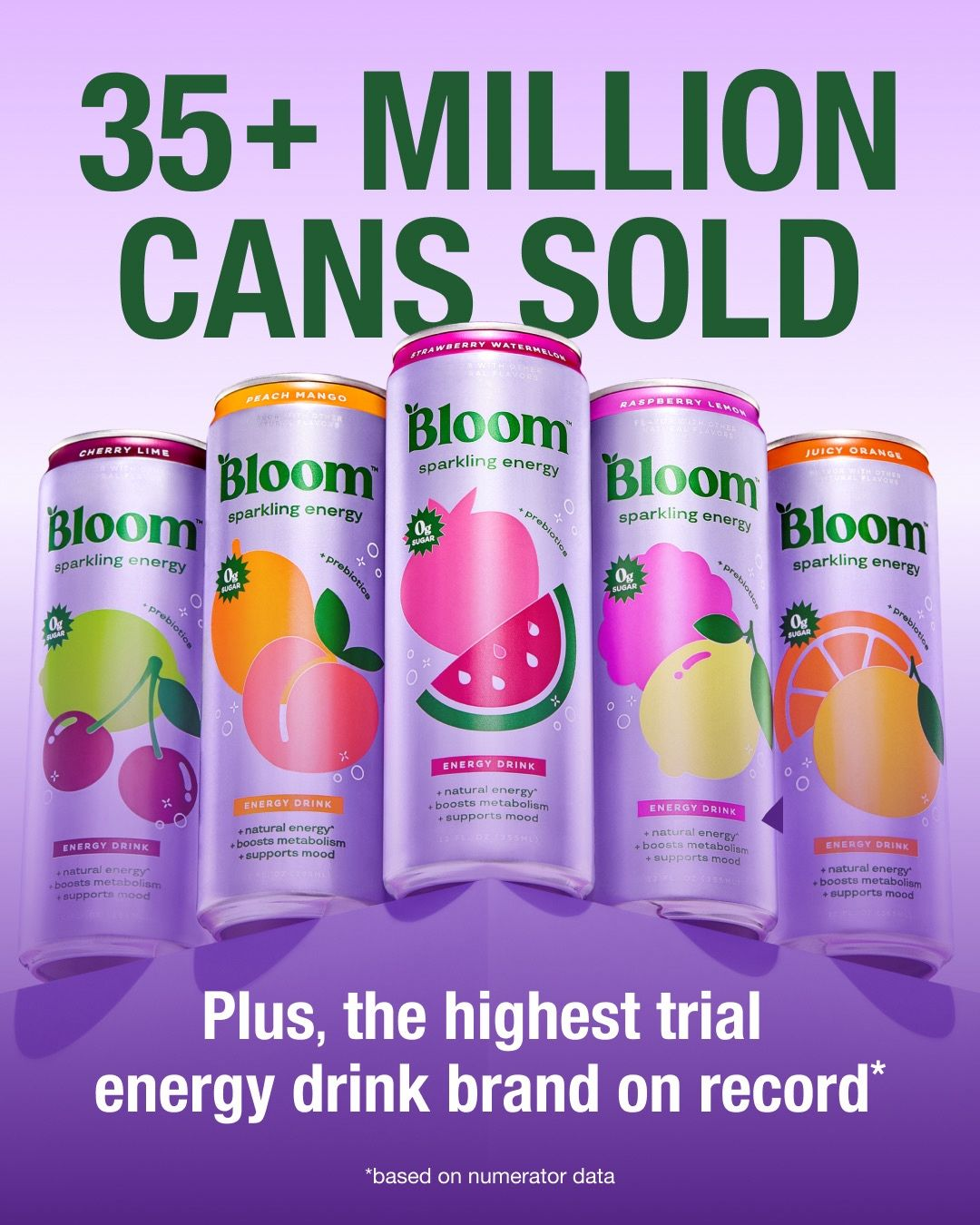
The sales followed quickly. According to , Sparkling Energy sold more than 35 million cans in less than a year, and Entrepreneur reported that the line passed $100 million in sales in its first year. That is a lot of cans for a brand entering a category where shoppers already had favorites, which suggests the gap Bloom picked was a meaningful one.
Put together, the $100 million probably owes as much to quick decisions as to the product itself. A borrowed idea can still turn into a big business when a company picks an opportunity, commits resources to it, and gets to shelf while the opening is still there. Other businesses can use the same idea on a smaller scale by choosing which opportunity deserves their attention, setting a realistic timeline, and getting something in front of customers before trying to perfect every detail.
Main Takeaway
Bloom’s success suggests an original idea isn’t always necessary. The energy drink market already had plenty of demand, and established brands had spent years getting customers comfortable with the category. Bloom could focus on what those brands weren’t doing as well, build a product around that opening, and get it to shelves quickly enough to claim it.
For businesses considering a new launch, a crowded category can be a useful place to start researching. Look at who’s already buying, what the existing options cost, and which customers still feel overlooked. Most of the product can stay familiar, as long as customers get one good reason to choose yours.
LaVecchia has acknowledged that this approach won’t work for every business. Finding a worthwhile gap takes an honest look at the market, along with the willingness to focus on a few meaningful differences instead of reinventing the whole category.
Looking Ahead
I wouldn’t be surprised to see more brands take this approach, especially in categories where customers already know what they want. Instead of trying to invent the next big thing, companies may find more success by paying attention to what’s already selling, figuring out who’s being overlooked, and getting a better option in front of them.