


Telling Time?
Rolex doesnt sell watches. Rolex sells achievement.
Rolexs marketing success comes from transforming a watch into a symbol of success through identity based marketing, scarcity that marks ownership feel exclusive, and status signaling that turns a watch into proof that you've made it.
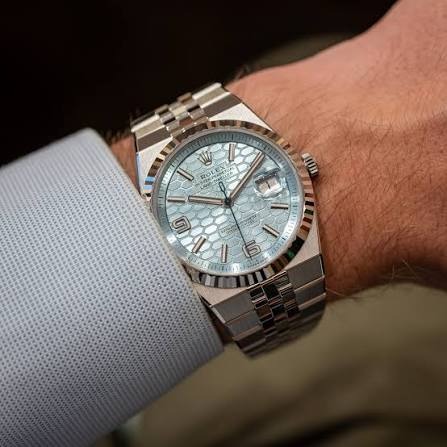
Rolex Sells Identity, Not Watches
A watch that costs $50 can tell time just as well as a Rolex.
Yet people spend years saving for one and sometimes years waiting to buy one.
That is because Rolex advertisements rarely focus on telling time. Instead, they focus on the people wearing the watches. The brand has partnered with figures like Zendaya, Roger Federer, Tiger Woods, and Martin Scorsese, individuals who are known for excellence in their fields.
The message isnt “buy this watch.”
It’s “these are the kinds of people who own this watch.”
This is an example of identity based marketing, where consumers purchase products that reflect who they are or who they aspire to become.
Psychologically this connects to self concept theory, which suggests people make purchasing decisions based on how products align with their desired identity. Consumers aren't just buying a watch, they're buying a symbol of success and accomplishment.
Rolex understands that people don't simply buy products. They buy stories about themselves.
Scarcity Makes Rolex More Desirable
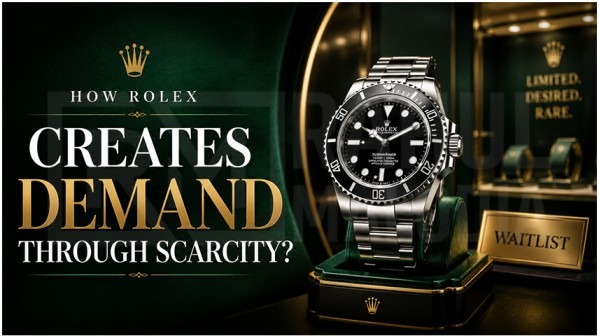
Most companies try to make their products easier to buy.
Rolex does the opposite.
Many of the brands most popular models require months or even years of waiting. Customers often cant walk into a store and purchase the exact watch they want.
The wait becomes part of the experience.
This strategy relies on the scarcity effect, a physiological principle that states people place greater value on things that are rare and difficult to obtain.
The harder something is to get, the more desirable it often becomes.
From a marketing perspective, scarcity creates demand rather than limiting it. The waiting list doesnt hurt the Rolex brand, it strengthens it. The difficulty of obtaining a Rolex reinforces the idea that ownership is reserved for a select group of people.
Rolex Functions as a Social Proof
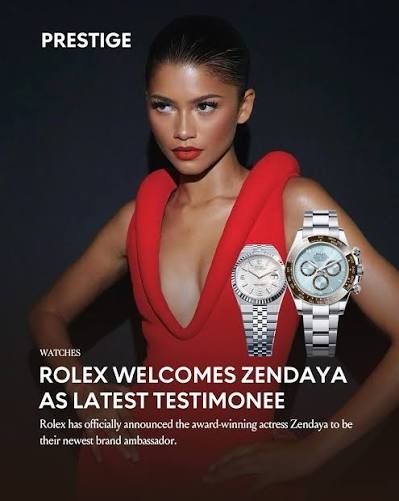
A Rolex isn’t just a watch, its a signal.
Whether consciously or subconsciously, many people associate Rolex ownership with financial success, professional achievement, and status.
The watch communicates something before the wearer even says a word.
This reflects the psychology of status signaling, where people use products to communicate wealth, achievement, or social status.
It also relates to social proof, the tendency to assign value to something because respected or successful people value it.
From a marketing perspective, Rolex has transformed a functional product into a cultural symbol. The watch has product value, but it also carries social value and identity value. Together these create the luxury value that consumers are truly paying for.
Identity Marketing
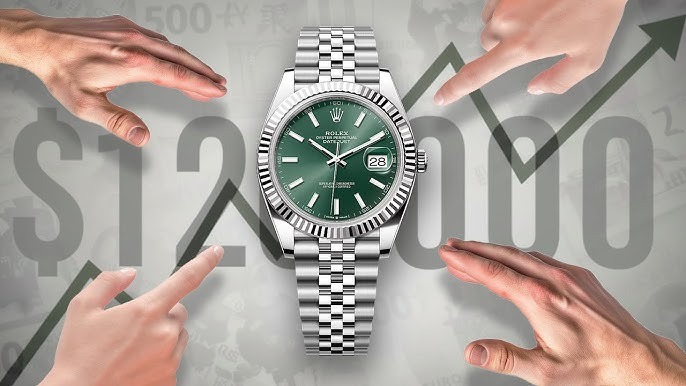
Rolex’s marketing works because it shifts the conversation away from watches and towards identity.
By associating itself with achievements, limiting availability, and becoming one of the worlds most recognizable status symbols, Rolex transformed a functional product into a cultural icon.
Consumers aren’t just buying a way to tell time.
They’re buying a story about who they are and what they’ve accomplished.