



Intro

Every start up wants to build the next breakthrough product. Making a breakthrough claim is one thing, convincing people it's real is another.
That's the position Donut Lab found itself in after announcing what it described as a revolutionary solid-state battery capable of 400 Wh/kg energy density, 100,000 charging cycles, and a full charge in just five minutes. The announcement generated excitement across the EV industry, but it didn't take long for experts to start asking questions.
For founders, it's a reminder that getting attention is only half the battle. Keeping people's trust is what really matters.
Big promises bring bigger expectations
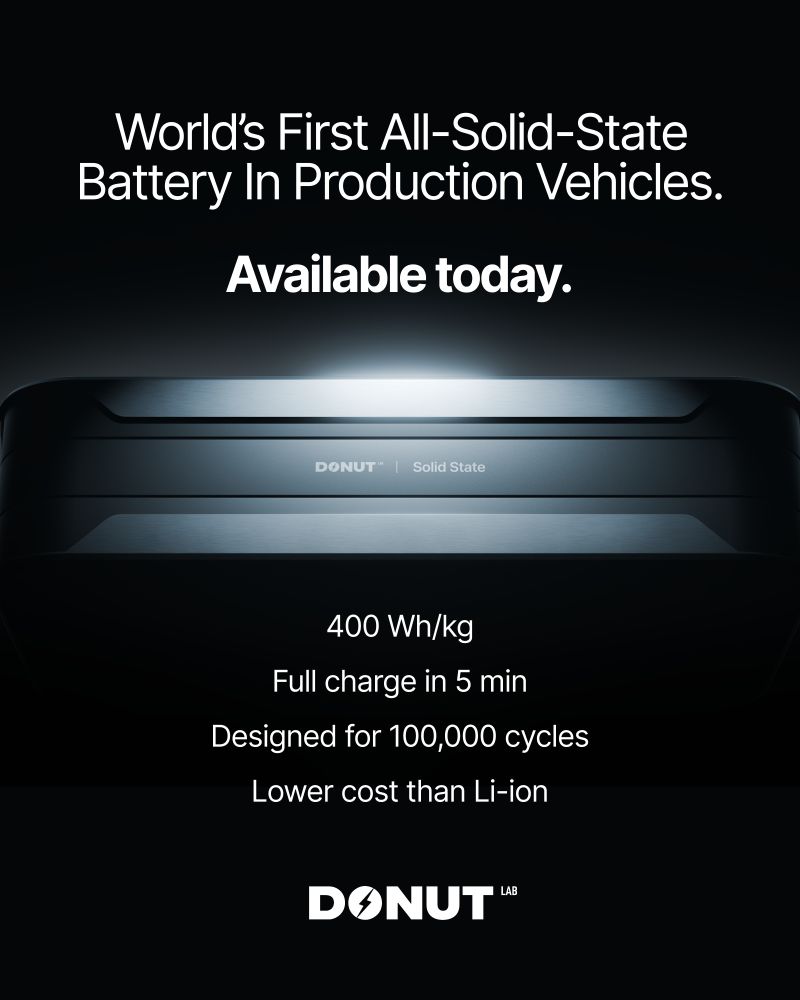
Big ideas get people talking, but they also put a spotlight on your business.
Donut Labs battery claims sounded almost too good to be true. The company appeared to solve several of the biggest problems facing EV vehicles all at once, something even some of the world's largest battery companies have spent years trying to accomplish.
Naturally, investors, journalists, and experts wanted proof.
That's the trade-off with bold marketing. The more revolutionary your product sounds, the more closely people will examine every single detail.
People want proof, not just promises
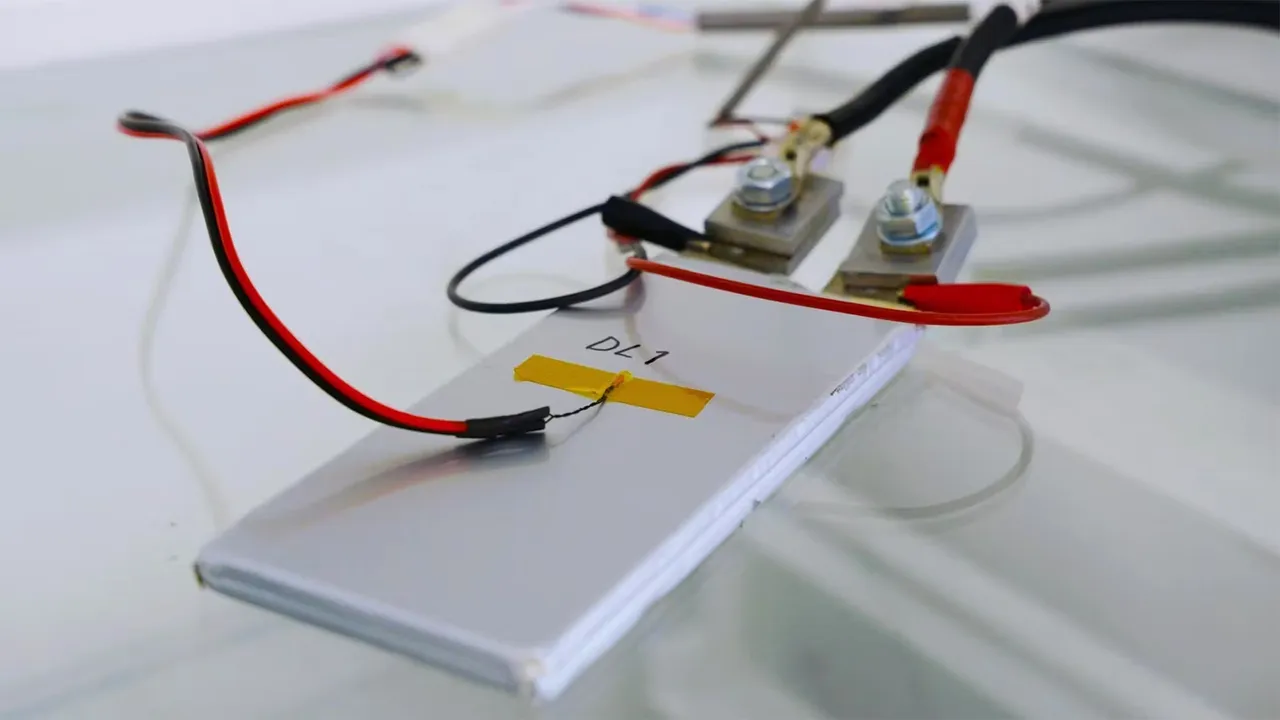
A great pitch might get customers interested, but evidence is what earns their confidence.
As questions continued to grow, Donut Lab commissioned testing through Finland VTT technical research centre. Critics argued that while the published results highlighted charging speed and temperature performance, they didn't directly verify the exact specifications that made headlines in the first place.
Whether those criticisms are fair or or not, they highlight an important business lesson. Once you make a big promise, people expect you to back it up.
Companies don't get to decide whether customers believe them. Customers decide that for themselves.
Trust is easier to lose than it is earn
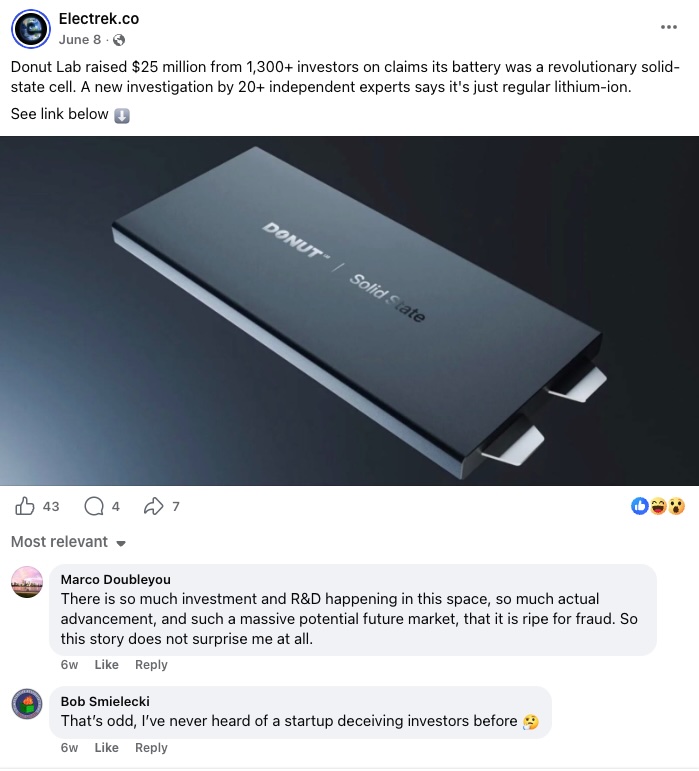
Building trust takes years. Losing it can happen surprisingly fast.
The conversation around Donut Lab eventually shifted away from innovation and towards credibility. Allegations from a former executive at one of the companies partners, along with independent expert reviews, lead many people to question whether the battery performed the way it had been advertised.
For any start up, that's a difficult position to be in. Once people begin doubting your claims, every future announcement faces even more skepticism.
Trust isn't just part of a business. In many cases, it is the busines.
Takeaway
Having an innovative idea is important, but it's not enough on its own.
Donut Lab's story reminds entrepreneurs that credibility is something you build over time. Bold claims can open doors, but transparency and evidence are what keep those doors open. Once trust starts to disappear, rebuilding it is often much harder than building the product itself
Looking ahead
Startups shouldn't stop aiming high. The companies that change industries usually begin with ideas that sound impossible. But the businesses that last are the ones that let their results speak just as loudly as their marketing.