



Launching a new product can put a small business in a difficult position. You need inventory before you can make sales, but you need cash before you can make that inventory.
Gist Yarn ran into this problem when founder Sarah Resnick decided to stop relying only on yarn from other companies and manufacture Gist’s own line. The opportunity was there, but producing it required a much larger upfront investment than the company was used to making.
Instead of taking on that entire cost and hoping the product sold, Gist did something different. It built demand first, used preorders to help fund production, and eventually turned that approach into a repeatable way to launch new products.
Build Demand Before Making the Bigger Investment
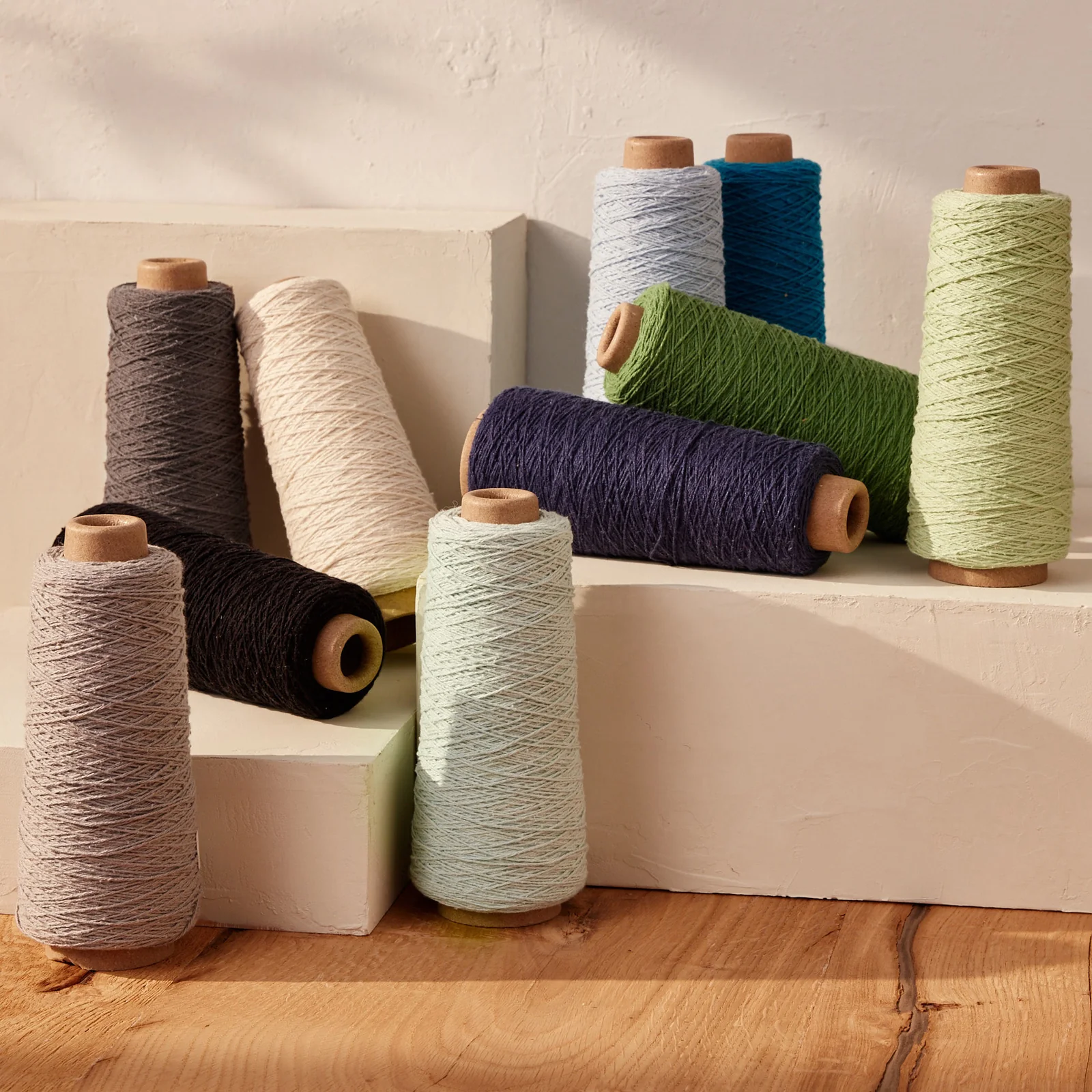
Gist had customers before it ever tried asking them to preorder its own yarn.
Before launching the business in 2017, Resnick spent roughly six months building an Instagram presence and email list around the weaving community. By the time Gist officially launched, she estimates that a few hundred people were already on that list, and customers purchased from the company on its first day.
That gave Gist an early signal that there were people interested in what Resnick was building, but she continued giving them reasons to stay connected.
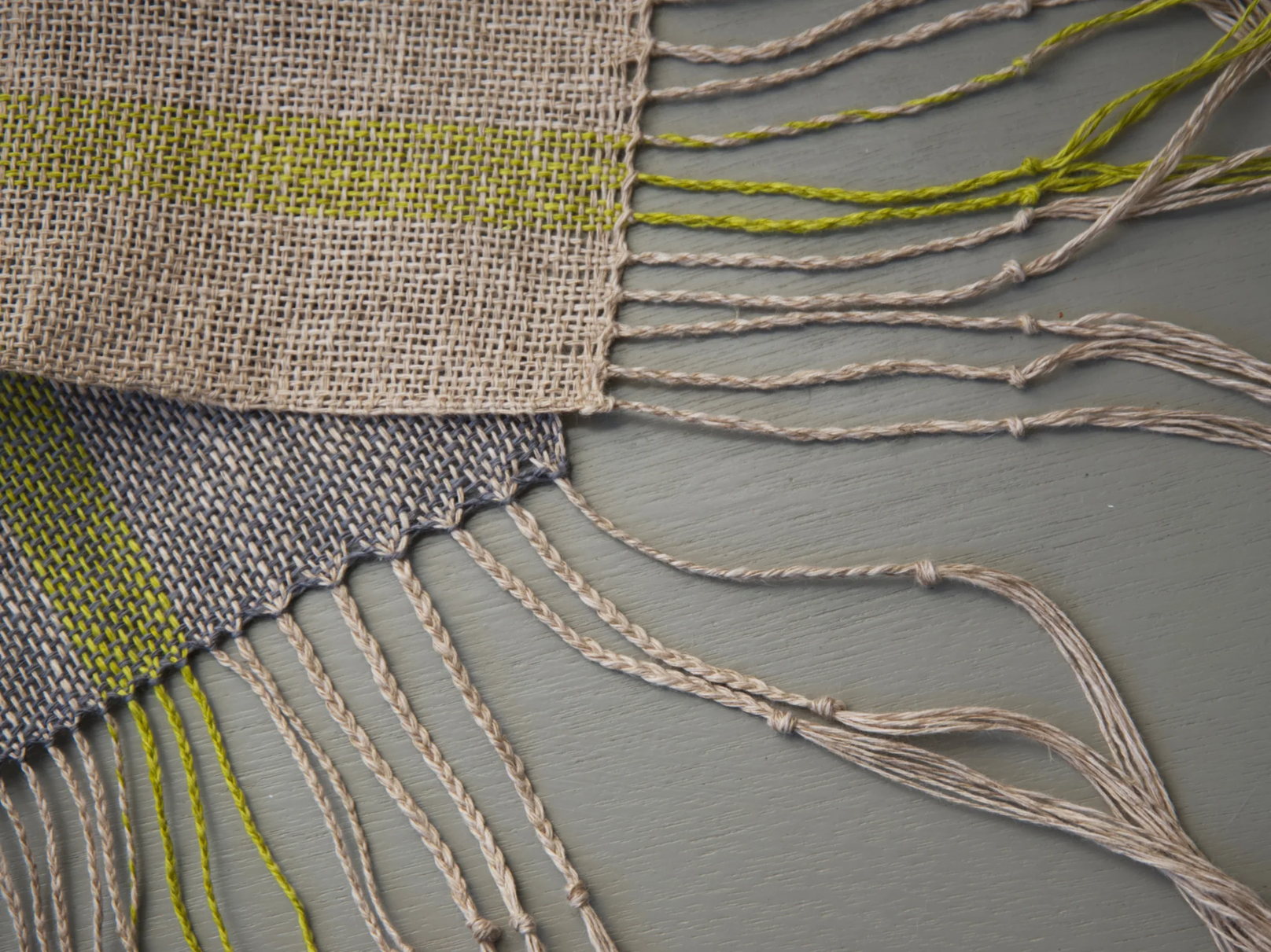
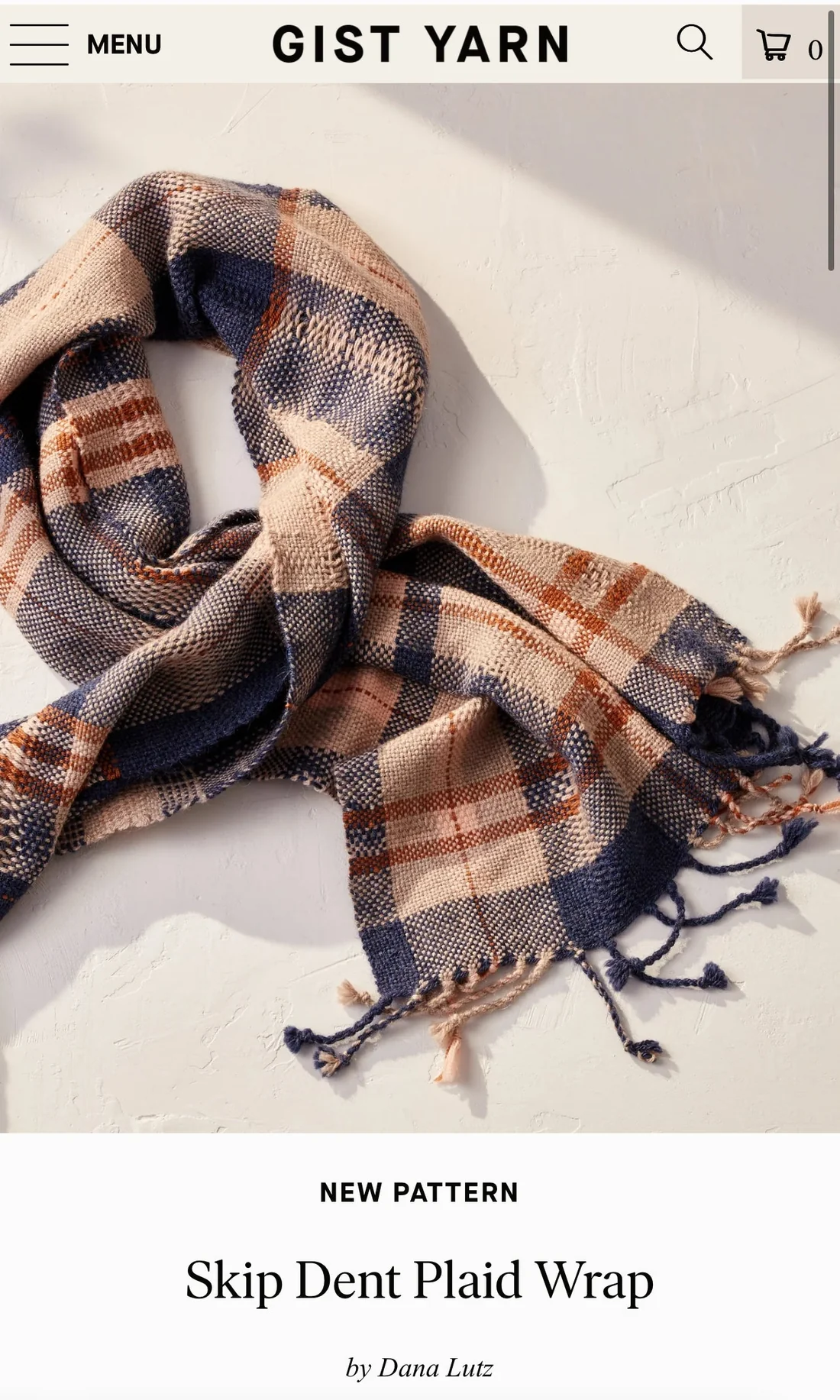
Weaving patterns became an important part of Gist’s sales strategy. Instead of simply showing customers yarn and asking them to buy it, the patterns gave people ideas for projects they could actually make with Gist’s products.
That content helped Gist continue building a niche audience of people who were interested in weaving and had a reason to purchase its materials.
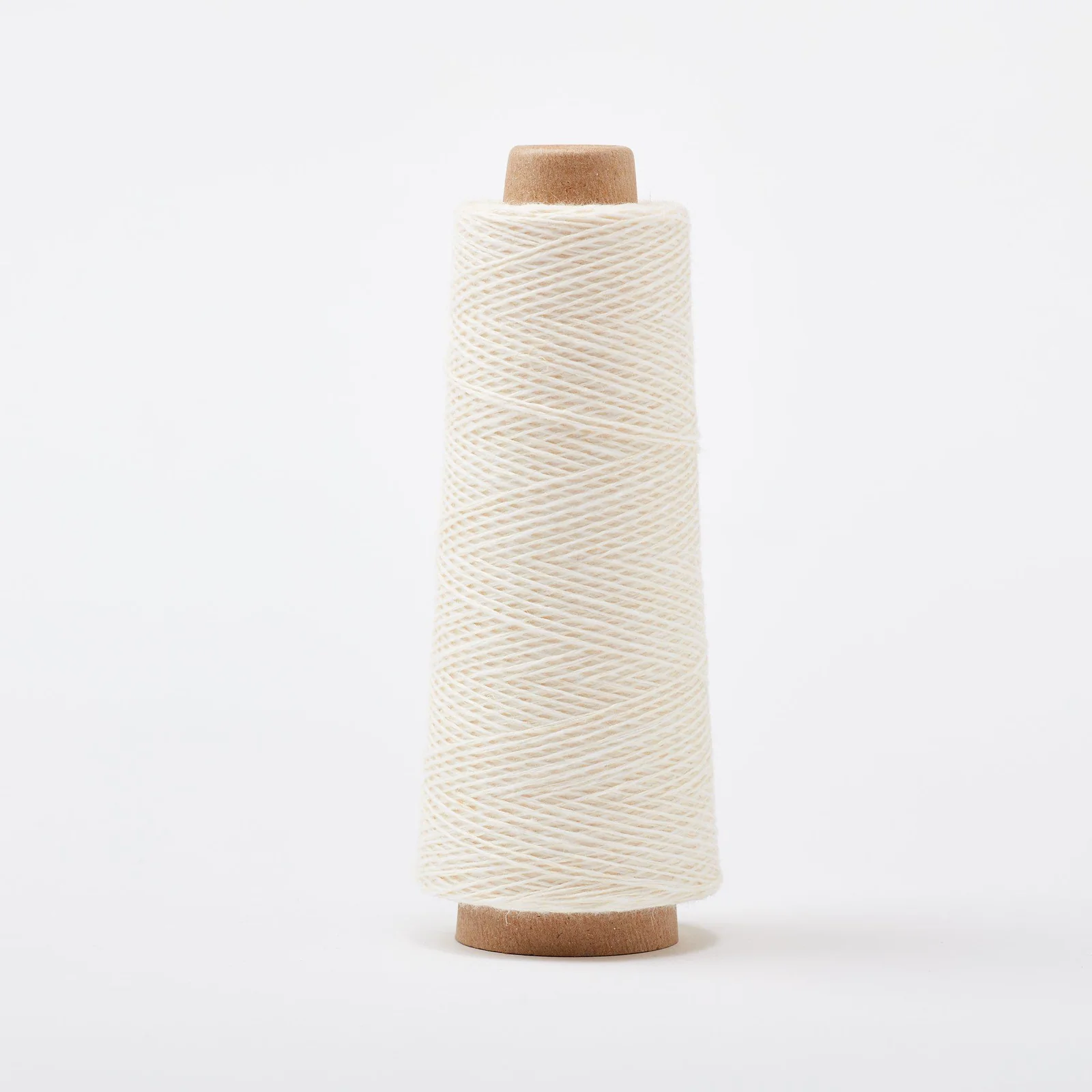
This audience became especially important when Resnick decided to manufacture Gist’s own yarn. The company wasn’t introducing a hypothetical product to complete strangers. It already had customers who knew the business, followed its content, and purchased from it.
For businesses, that’s an important part of using preorders successfully. Asking customers to pay for something that hasn’t been produced yet requires trust. Building the audience first makes that ask much easier. And Gist was about to need that trust to solve a much bigger inventory problem.
Use Preorders to Prove Demand and Fund Production
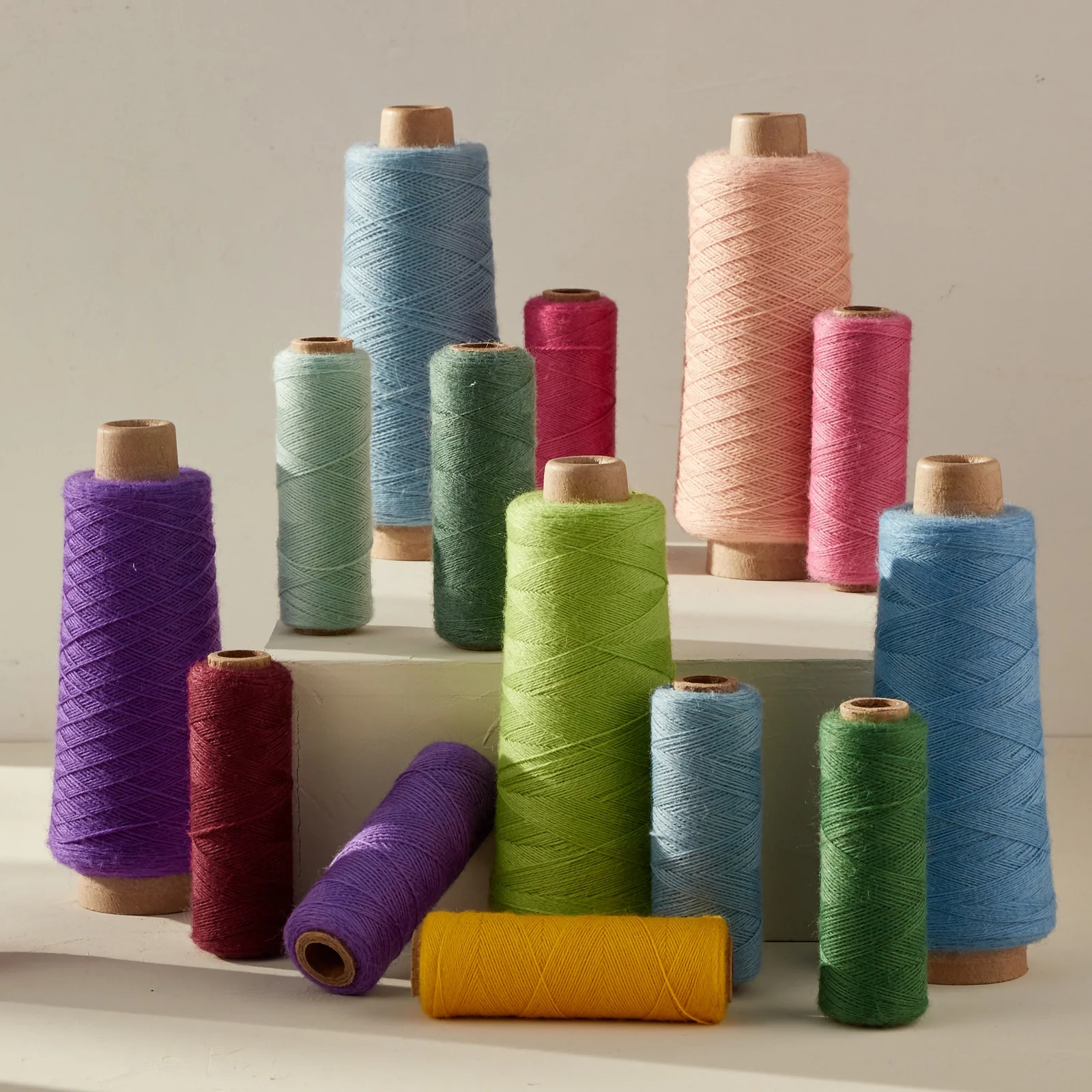
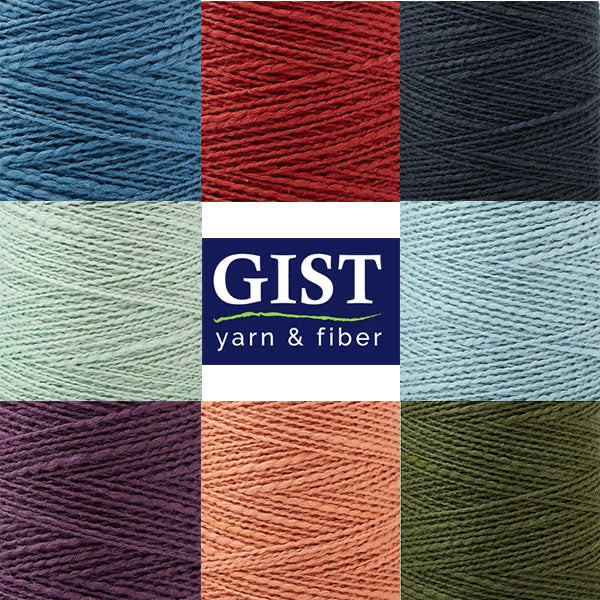
When Gist was reselling yarn from other companies, Resnick says it might order only 50 to 100 pounds at a time. Manufacturing its own yarn was completely different. The first production run required roughly 2,000 pounds.
Gist suddenly needed significantly more cash before it could even begin selling the product. And Resnick says the business simply didn’t have enough money to comfortably fund that order itself.
Instead of paying for all 2,000 pounds upfront and hoping customers eventually bought it, Gist opened the new yarn for preorders.
Customers could see what the company planned to make and purchase it before production was complete. That gave Gist much stronger evidence of demand than comments, likes, or people saying they were interested. Customers were actually willing to pay.
More importantly, those purchases generated cash before Gist had to complete the production run.
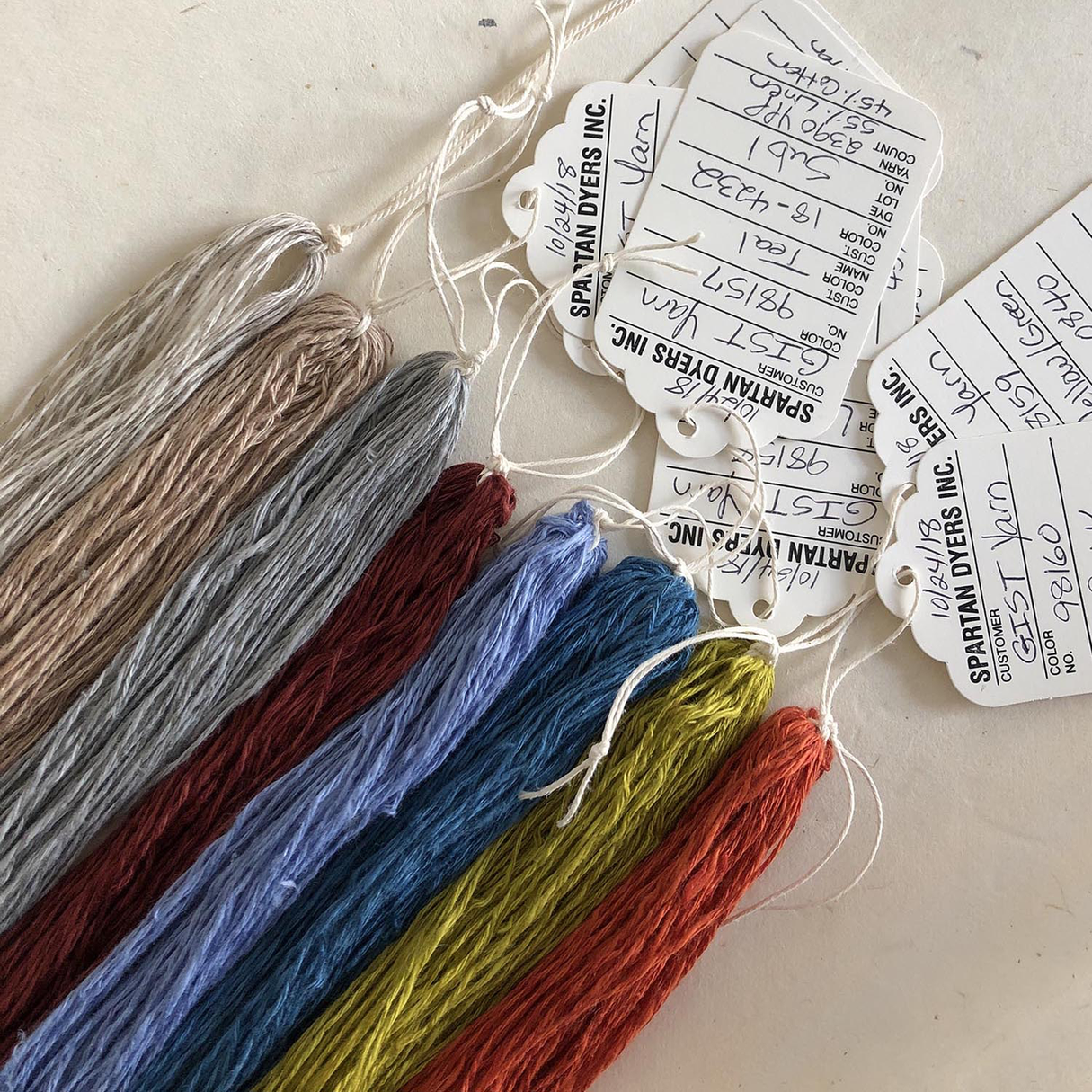
According to Resnick, the preorder campaign generated enough money to fully fund the first production run.
That solved two problems at once. Gist proved there was real demand for its own yarn, while that same demand helped provide the money needed to make it.
For a small inventory business, that can make a major launch much more manageable. Rather than putting a large amount of cash behind a prediction, Gist let actual purchases help determine and fund what came next.
Repeat the Model Instead of Risking Everything Upfront
.
The first preorder wasn’t just a one time solution. Once Gist knew customers were willing to buy this way, it could use the model again.
Resnick says fast growing inventory businesses can run into a difficult cycle. As sales increase and the company introduces more products, it needs more inventory. But buying that inventory requires increasingly large amounts of cash before the products generate any revenue.
Gist continued using preorders for later launches instead of always covering those growing production costs entirely on its own.
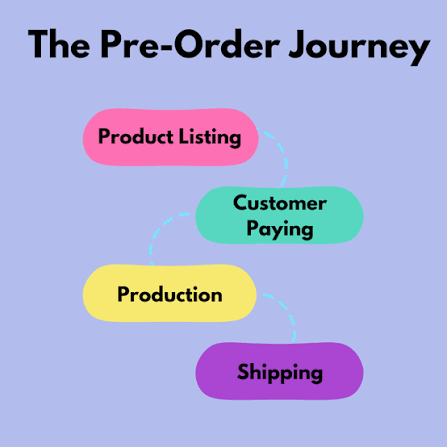
Resnick described the model as customers essentially investing in Gist and receiving yarn in return.
Instead of putting all of its available cash into a new product or borrowing the entire amount, Gist could collect real orders first and use that money toward production. Each successful launch could then make the next one easier to approach.
This didn’t eliminate risk, but it gave the company another way to manage it.
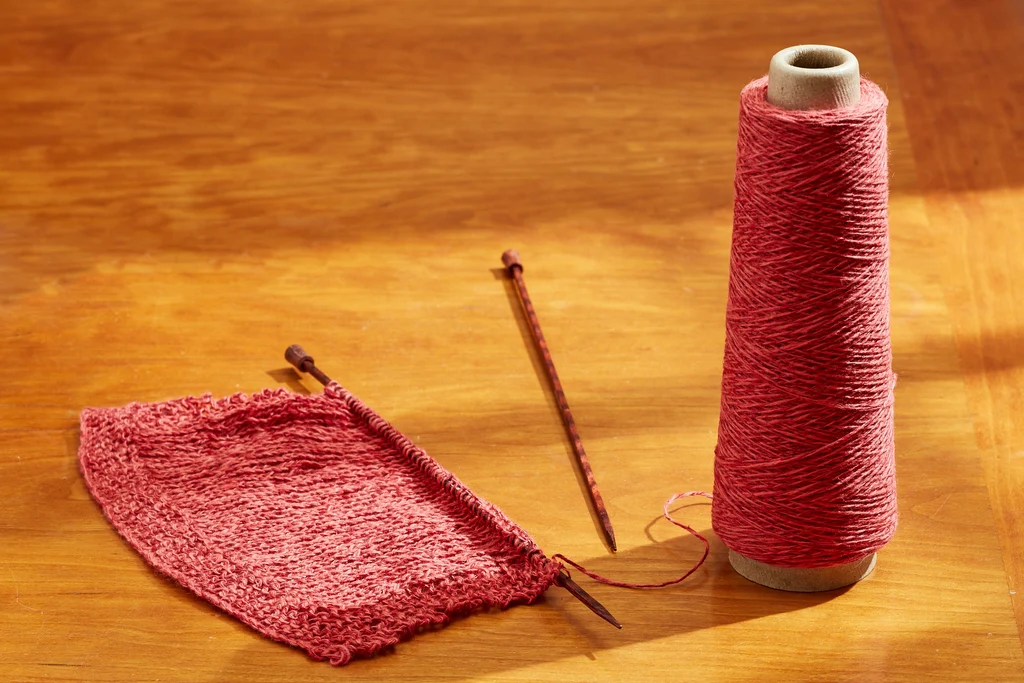
Preorders still come with responsibility. Once customers have paid, the business needs to accurately estimate costs, communicate how long production will take, and ultimately deliver what it promised.
That’s why the audience Gist built first mattered so much. Customers needed enough trust in the company to be comfortable paying before receiving the product.
For businesses with that kind of proven demand, preorders can make growth more manageable by bringing customer purchases into the process before the business takes on the full cost of a launch.
Main Takeaway
Gist Yarn didn’t solve its inventory problem by simply finding more money. It built an audience first, let that audience prove its demand through preorders, and used the money from those orders to fund its first major production run.
Once the strategy worked, Gist could use it again as the company introduced more products.
For businesses, the lesson isn’t to open preorders before every launch. Build demand first. Then, when customers already know and trust what you’re creating, preorders can help prove they actually want the next product while giving the business cash to help make it happen.