



Getting customers to notice a product is only the beginning. If they try it and don’t quickly understand why it’s valuable, spending more money to attract them may not solve the problem.
Gamma learned this after what initially looked like a successful launch. The company attracted thousands of users, but growth soon stalled. Instead of focusing on bringing in even more people, Gamma rebuilt the experience those users encountered.
That decision eventually helped Gamma reach $100 million in annual recurring revenue with roughly 600,000 paying subscribers and about 50 employees.
Its growth shows how making a product’s value obvious from the beginning can turn first time users into customersand eventually into people who bring in the next customer.
Getting Attention Doesn’t Mean Customers Will See the Value

Gamma spent roughly two years developing its original product before launching its public beta in late 2022.
At first, everything seemed to be working. Gamma won Product Hunt’s Product of the Day, Week, and Month, giving the young company significant attention.
Signups jumped, making the launch look like evidence that Gamma had found something customers wanted.

But after the initial excitement, signups began to level out.
More importantly, Gamma wasn’t seeing the organic growth or recommendations that would suggest people were discovering the product, loving it, and naturally telling others.
CEO and cofounder Grant Lee later said the company nearly mistook its successful Product Hunt launch for proof that it had achieved real product market fit.
The attention had gotten people through the door. It hadn’t necessarily convinced them to stay.

That left Gamma with a choice. It could spend more money bringing additional people into the existing experience, or improve what happened once those people arrived. They chose the second option.
For businesses, that’s an important distinction. Marketing can get someone to try a product, but it can’t guarantee they’ll understand why they should keep using it. If customers arrive and leave without seeing the value, more traffic can simply mean more people having the same weak experience.
Gamma had attracted the audience. Now it needed to make the value impossible to miss.
Show Customers the Value as Quickly as Possible

Gamma’s 12-person team spent about three months rebuilding the product experience around a very specific goal… make the first 30 seconds feel remarkable.
The company wanted new users to experience its biggest benefit almost immediately rather than asking them to figure it out themselves.
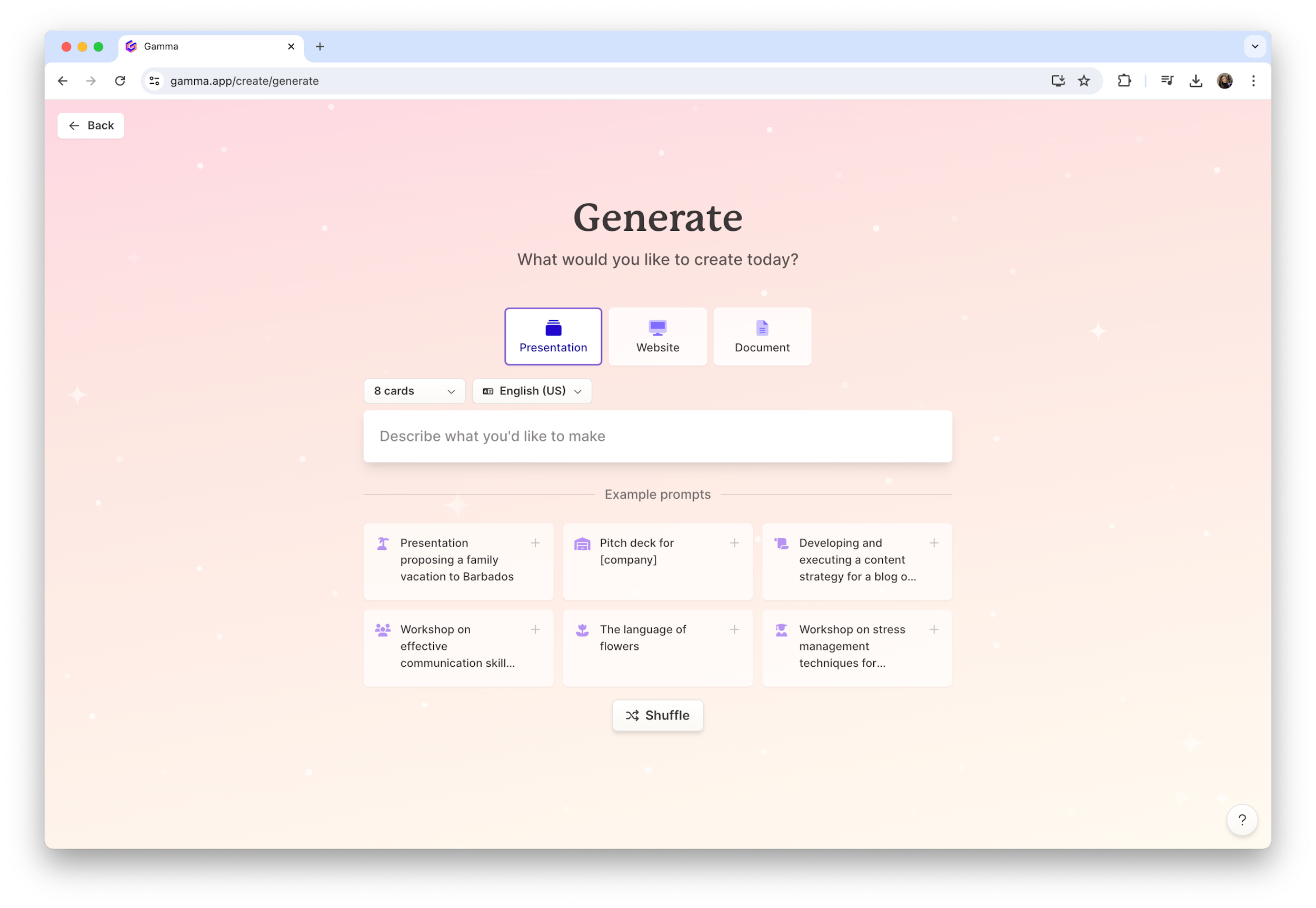
Instead of opening Gamma and facing a blank presentation, users could enter a prompt and quickly receive an AI generated first draft.That changed the introduction to the product completely.
Gamma didn’t need a long explanation telling customers how much time its product could save them. Within moments, someone could type an idea and watch the product begin creating something they otherwise would have had to build themselves.
The benefit became something customers could experience rather than something Gamma had to promise.

That matters because customers often make quick judgments about whether a new product is worth their time.
A complicated onboarding process or unclear benefit creates another opportunity for someone to leave. Gamma reduced that friction by bringing one of its strongest features to the beginning of the experience.
For businesses, the lesson isn’t that every product literally needs to prove itself within 30 seconds. It’s that customers should reach the “this is why I need this” moment as quickly as possible.
Once Gamma made that moment easier to reach, the company didn’t just improve its product experience. It gave users something they were much more likely to talk about.
A Great First Experience Can Help Customers Sell the Product for You
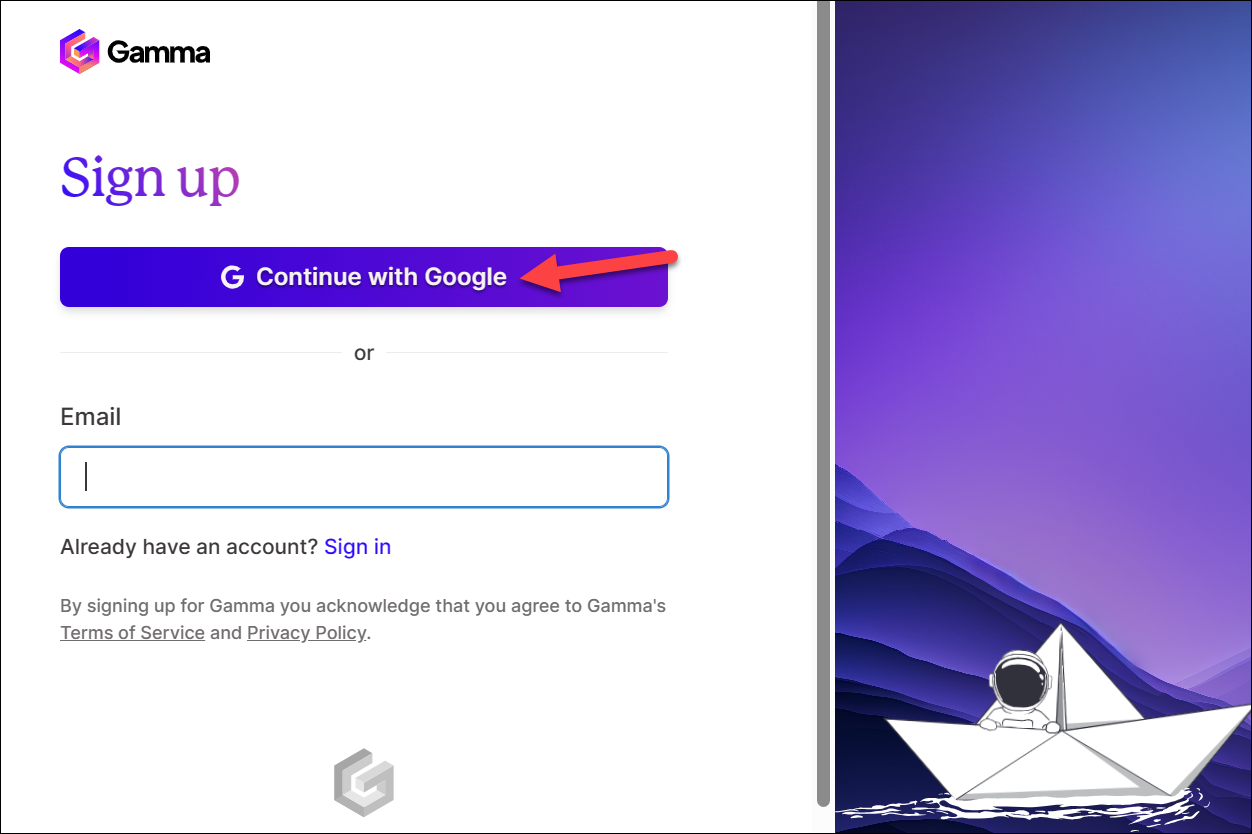
After Gamma rebuilt the product and relaunched, its signup numbers began moving again.
Daily signups reportedly increased from around 5,000 to 10,000, then 20,000, and eventually as high as 50,000 per day.
The particularly interesting part was how that early growth happened: Gamma reportedly achieved the surge without a sales team and without marketing spend.

Instead, much of the growth came through word of mouth.
People experienced Gamma’s ability to quickly turn a prompt into a presentation and shared the product with others. Lee has argued that word of mouth can be particularly valuable because it doesn’t simply operate as another marketing channel, it can amplify the others.
One customer having a remarkable experience could therefore help create the next customer’s first interaction with Gamma.
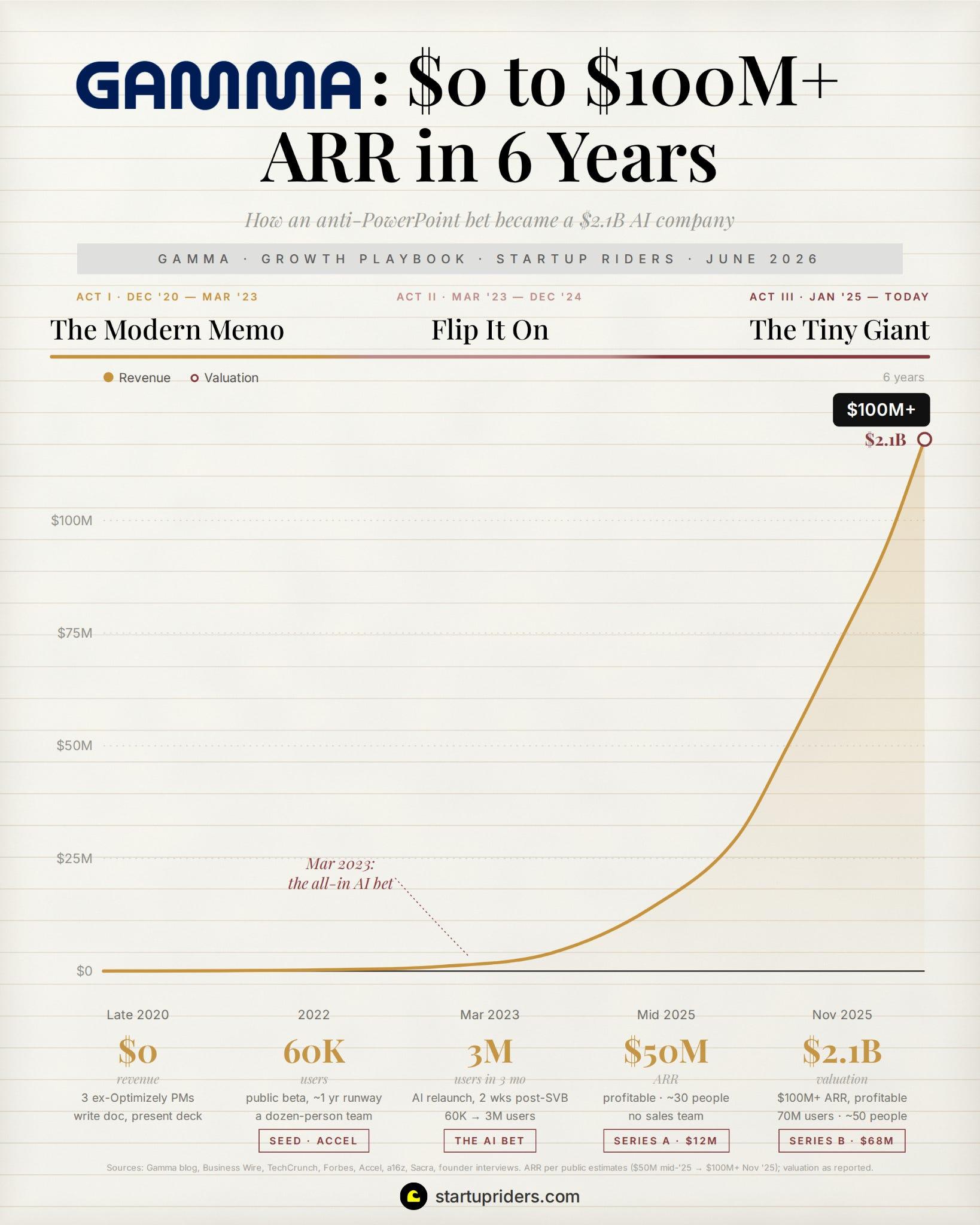
Over time, Gamma reached $100 million in ARR, roughly 600,000 paying subscribers, and about 50 employees.
That doesn’t mean sales and marketing became unnecessary. Gamma eventually created a sales team, and Lee later acknowledged that waiting so long was a mistake because the company missed opportunities with larger businesses.
But that actually reinforces the broader lesson. Sales and marketing can become much more powerful when they’re promoting a product customers already understand, enjoy, and recommend.
Gamma first improved the experience. That experience created word of mouth. And that organic demand gave the company a stronger foundation to build on.
Main Takeaway
Gamma’s growth didn’t begin with finding a way to put its product in front of as many people as possible. It began with recognizing that attention wasn’t enough.
The company first learned that a successful launch didn’t guarantee customers understood the value. It then rebuilt the product so users could experience its core benefit almost immediately. Once that experience became worth talking about, customers helped spread the product themselves.
For businesses, the progress is simple. Get customers through the door, show them why the product matters as quickly as possible, and give them an experience worth sharing.
Marketing can bring someone to a product. But sometimes the most powerful marketing begins with what happens after they arrive.