



Intro
Many workplace tools promise to make work easier, but some simply replace one set of tasks with another. For decades, salespeople have carried that burden with CRMs, spending hours logging information and maintaining records instead of focusing on the customer relationships those systems were meant to support.
As AI becomes more integrated into CRM (customer relationship management) software, that dynamic is beginning to shift. The technology is starting to give back, taking on more of the busywork and allowing salespeople to spend more time on the relationships that matter most.
Better automation means more time for high-value work
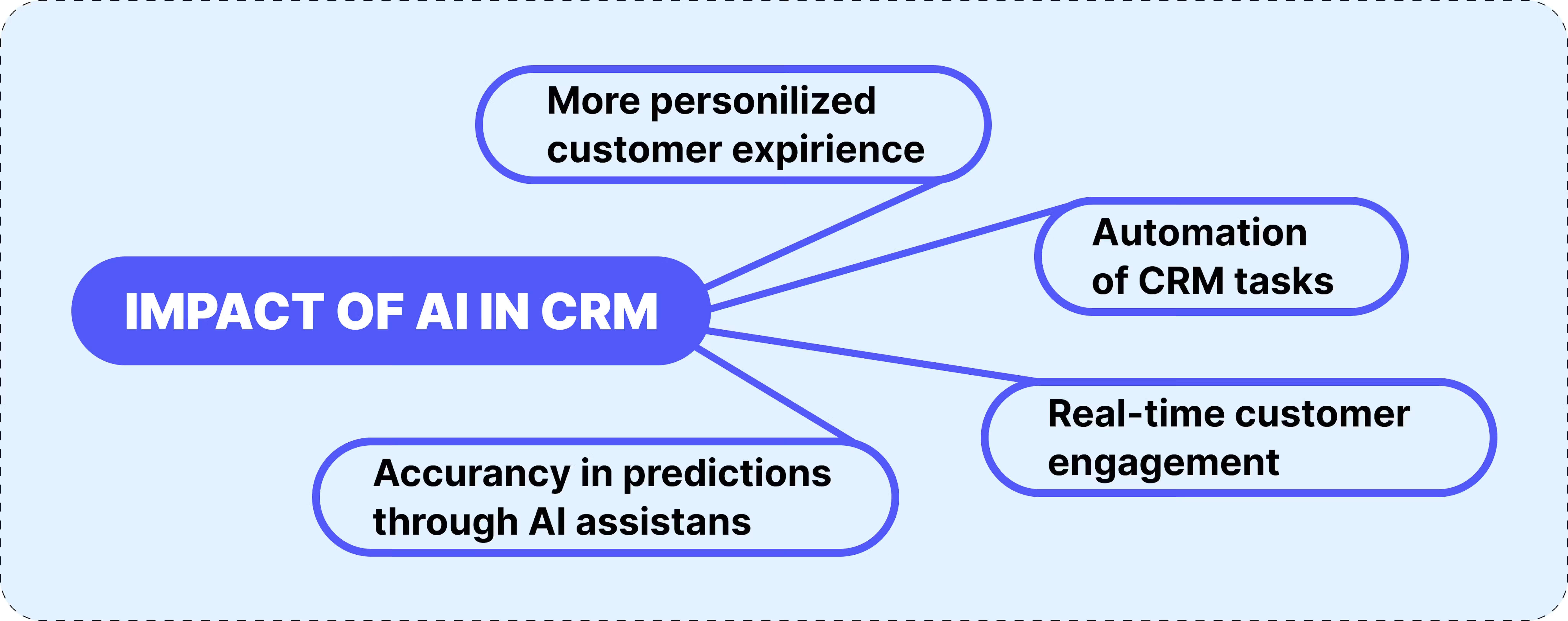
The real value of automation comes after the task is finished: giving people more room to focus on work that requires judgment, creativity, and human interaction.
Traditionally, sales teams have been responsible for manually logging customer interactions, updating deal stages, and creating follow-up reminders. AI-powered CRMs are beginning to take on more of that behind-the-scenes work. Groweon points to tools that can automate routine updates, while Salesforce describes AI systems that can help reach out to leads, personalize communication, and handle basic customer questions.
Reddit users have highlighted these time-saving features as some of the clearest benefits of AI CRM tools, though some have also raised concerns that the same tracking capabilities could be used to monitor employees rather than support them.
The biggest impact comes from what AI gives back: more time for relationship-building, strategy, and the parts of sales that actually move a deal forward.
The most useful data points forward, not just back
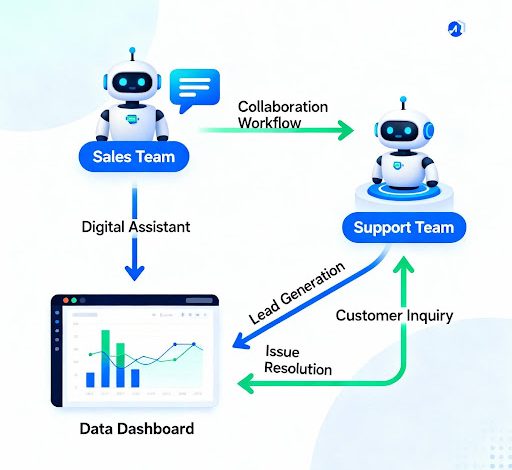
Gathering information has never been the hardest part of CRM. The challenge has always been turning that information into a decision.
For years, CRMs have primarily acted as systems of record, capturing what already happened instead of helping teams understand what comes next. AI is starting to change that by analyzing customer histories, identifying promising leads, predicting buying patterns, and flagging deals that may be at risk. Salespeople no longer have to sort through hundreds of opportunities manually and can focus their attention where it matters most.
That's the difference between automation and intelligence. Automation helps complete a task, while intelligence helps determine which tasks are worth prioritizing in the first place.
Technology works best when it supports relationships, not replaces them
There's a real difference between a tool that helps someone do their job better and one that tries to replace the person doing it. That distinction matters in sales, where success depends on understanding people, not just processing information.
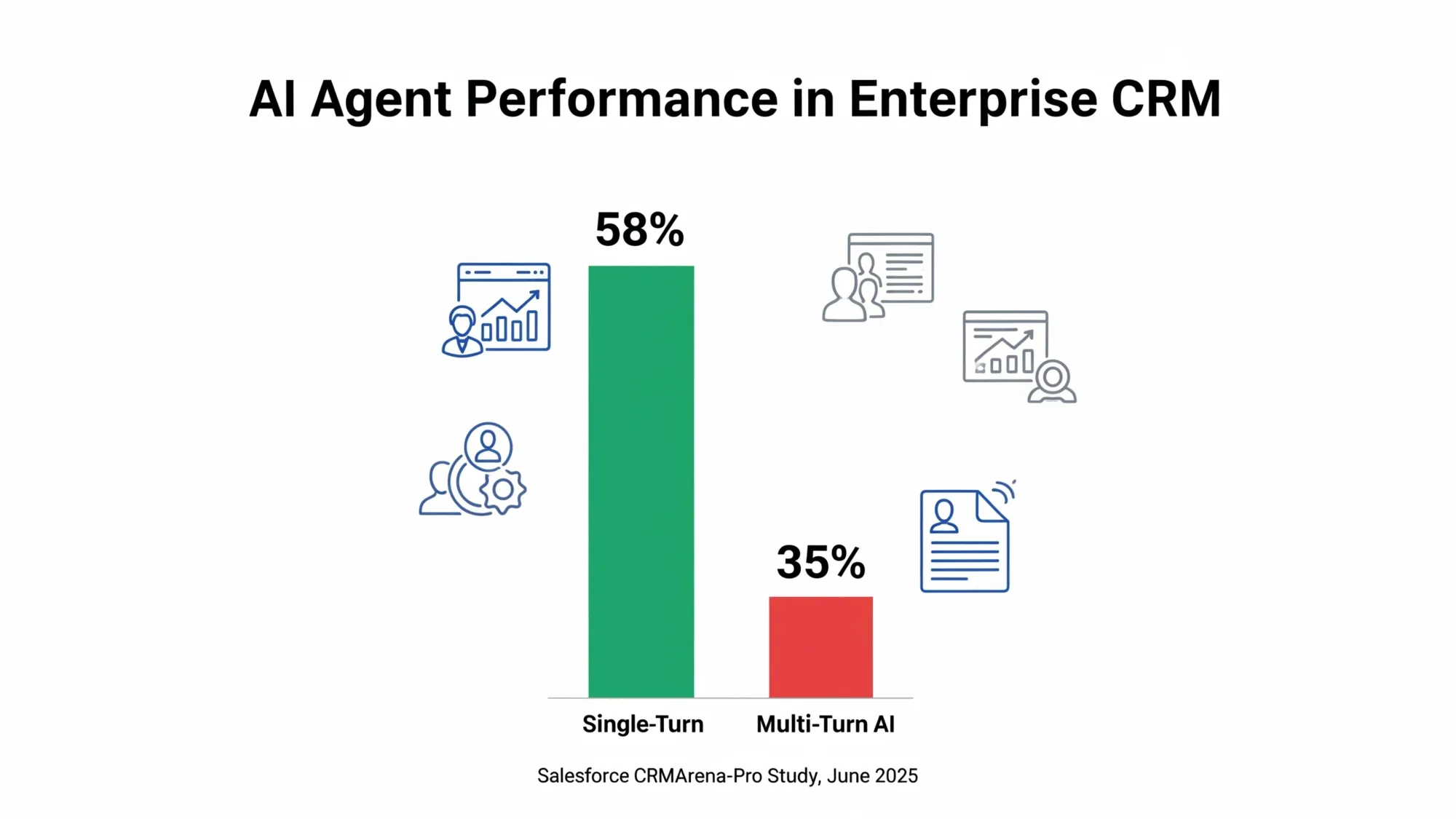
AI can draft emails, summarize conversations, and recommend next steps, but it cannot fully replace the trust and judgment that drive customer relationships. Salesforce positions its AI CRM tools as a way to strengthen those connections rather than remove the human element, and research on complex CRM workflows suggests that even advanced AI agents still struggle with nuanced, multi-step tasks.
Salespeople still play a central role here, walking into meetings better prepared, responding faster, and spending less time buried in admin work.
Takeaway
CRM used to be a place where customer information was stored. Now, it's becoming a tool that helps businesses decide what to do with that information.
The bigger opportunity lies in creating systems that strengthen what salespeople already do best: building trust, understanding customers, and making decisions that require a human touch. Efficiency may get customers through the door, but relationships are often what close the deal.
Looking ahead
As AI continues to become part of everyday CRM tools, the technology will likely become less visible and more embedded, working quietly in the background instead of demanding constant attention.
The salespeople who benefit most will likely be the ones who learn how to use AI strategically, creating more time for the conversations and relationships that have always driven the industry forward.