



Why Startups Offer Equity
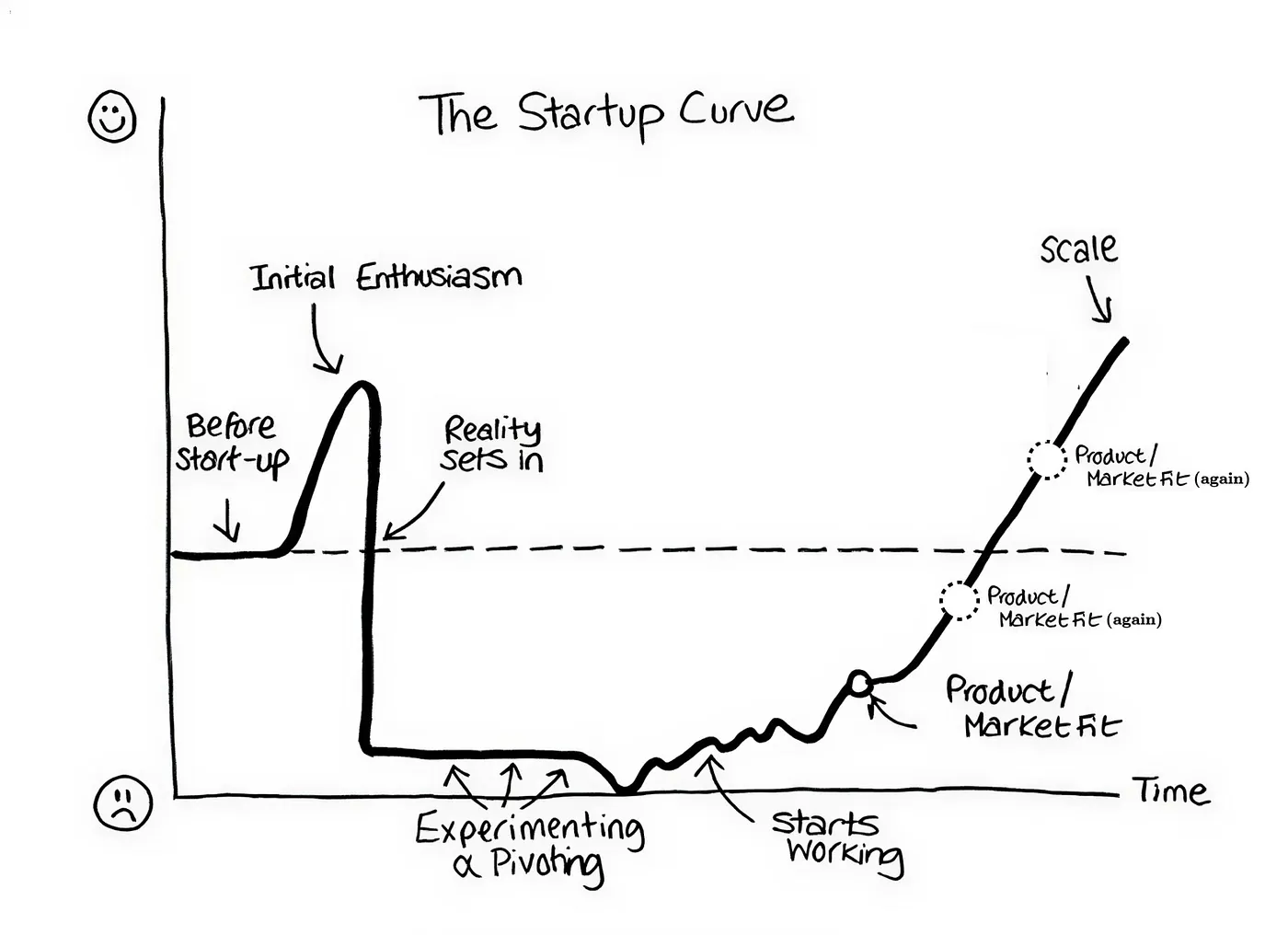
Most people join a startup expecting a smaller paycheck and a bigger opportunity down the road.
Startups usually can't compete with the salaries bigger companies offer, so they make up the difference with equity instead of cash. On the surface, that sounds like a fair trade, but that equity can take years to turn into real money, and for some employees, it never does.
Future Rewards Often Come With Present-Day Risks
A bigger potential reward tends to come with a bigger amount of risk. Equity sounds like ownership, but it usually comes with conditions employees don't fully see until much later.
Stock options also get misunderstood as free shares, but they're not. According to J.P. Morgan, they typically just give an employee the right to buy shares later at a fixed price.
So before someone owns anything, they may need to dip into their own savings just to exercise the option. For someone who already took a pay cut for the role, that can feel like paying twice for the same opportunity.
Different Types of Equity Carry Different Costs
Owning equity and receiving equity aren't the same thing. Employees often have to put money in before they ever see money come out.
Varnum points out that the tax hit can shift a lot depending on the type of equity someone receives. Incentive stock options tend to get taxed more favorably, while non-qualified stock options usually get taxed sooner and at a higher rate.
Restricted stock isn't fully owned until it vests, so leaving early can mean losing some or all of it. RSUs skip the need to buy shares outright, but they still hinge on the company meeting certain conditions first.
Not all equity works the same way, and those differences can seriously change what someone actually walks away with.
Equity Can Still Become Worthless
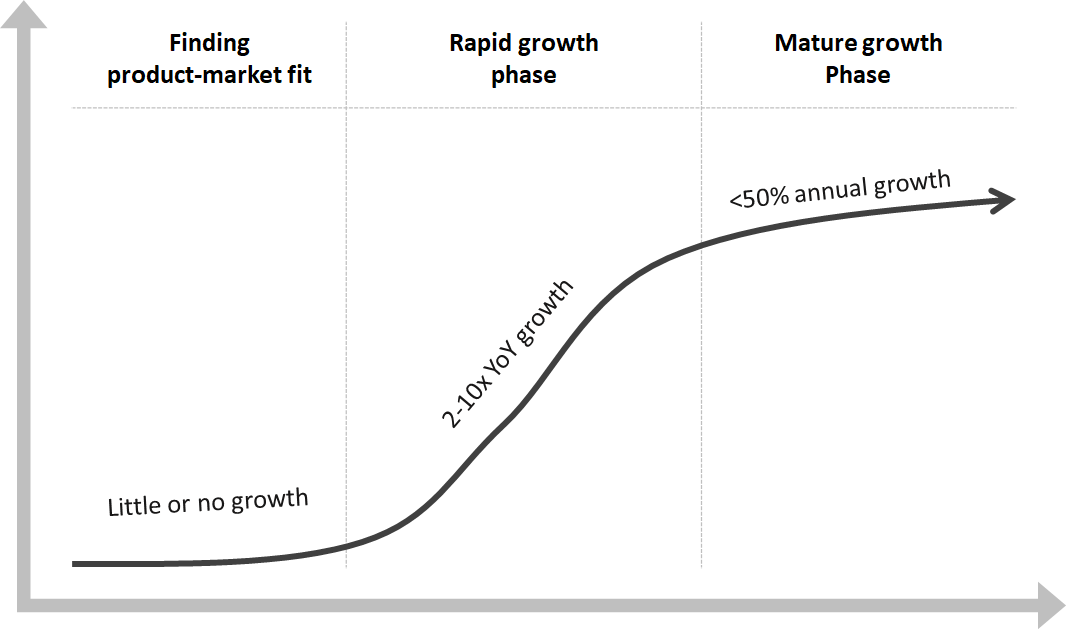
Here's the part that catches a lot of people off guard: even after doing everything right, an employee's shares can still end up worth little to nothing if the startup's value drops or the company fails.
It doesn't matter how much lower pay they accepted going in, or how much of their own money they spent exercising the options. None of that is refundable.
Equity value is never guaranteed. It's a bet on the company's future, not a paycheck you've already earned.
Stepping back, equity can offer real upside, but that upside comes paired with real exposure. Whether that exposure ever turns into a loss or a payout seems to depend entirely on things employees usually can't control.
Ownership Is Not the Same as Spendable Money
Paper value and usable money are two very different things. A company can look valuable on a spreadsheet while an employee still can't use any of it to cover a bill.
Private startup shares generally aren't easy to sell, unlike shares of a public company. Their value usually only becomes usable after some kind of liquidity event, like an acquisition, an IPO, or a secondary sale.
Until that happens, the shares mostly just sit there waiting for a moment that may or may not ever come.

A high valuation doesn't automatically become cash someone can spend. There's often a real gap between what a company is "worth" and what an employee can actually access.
Employees who leave a company are often given a short window, commonly around 90 days, to decide whether to exercise their vested options. That can push someone into spending real money on shares before they have any idea whether those shares will ever be worth something.
Timing can matter just as much as the equity itself. A tight exercise window may push employees into financial decisions before they have enough information to make them confidently.
Even once options vest, an employee may still need to exercise them and then wait, sometimes for years, before a real chance to sell ever comes along.
Vesting Does Not Guarantee a Payout
Vesting is just one step in a much longer process, as reaching full ownership doesn't necessarily mean reaching a payout.
Looking at the bigger picture, equity can carry real long-term value, but that value tends to stay locked up until specific conditions are met, conditions that can take a long time to play out, if they play out at all.
Compensation Works Best When Employees Understand It
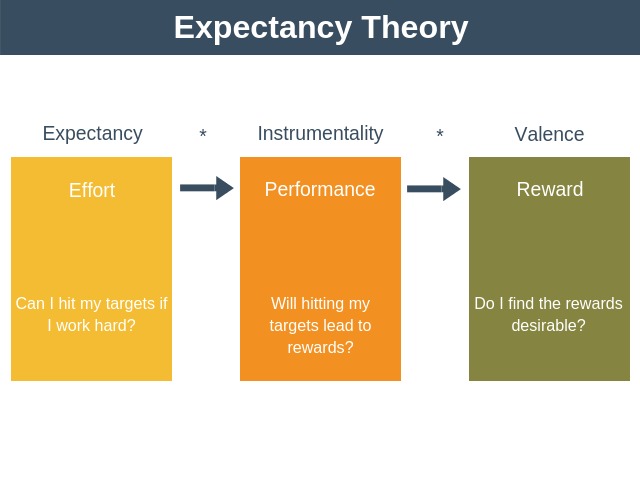
A reward tends to motivate people only when they understand it. Equity that feels confusing or symbolic may not carry the weight a company intends it to.
I came across a theory that captures this pretty well: Vroom's Expectancy Theory, which basically says people stay motivated when they can clearly connect their effort to a reward and actually understand what that reward is worth.
When equity feels vague or hard to explain, that connection tends to break, and so does the motivation behind it.
Writer Yinon Weiss has described poorly explained grants as "symbolic equity," where employees see the promise of ownership without understanding what it's actually worth or how it works. It looks impressive on paper, but it doesn't mean much if no one can explain it.
Victor Vroom's Expectancy Theory of MotivationThe expectancy theory model, its limits & how to apply it in the workplace.PositivePsychology.com • Jeremy Sutton, PhDConfusion can quietly undercut the whole point of offering equity in the first place, as a reward nobody understands doesn't feel like much of a reward at all.
The Headline Number Does Not Tell the Whole Story
A lot of startups use a four-year vesting schedule with a one-year cliff, meaning an employee who leaves before their first year typically walks away with nothing.
Varnum recommends companies explain equity types, tax implications, exercise deadlines, and vesting timelines clearly, instead of just handing someone a big number of shares and calling it a day.
A big number alone doesn't tell an employee much. Context, timelines, and conditions tend to matter more than the headline figure.
Alternatives to Traditional Options
Stock options also aren't the only route available. Alternatives like restricted stock units, restricted stock awards, performance bonuses, stock appreciation rights, and phantom stock can let employees benefit from company growth, and some of these don't require paying an exercise price at all.
There may be more flexible ways to reward employees than the traditional stock option model, and some of them could lower the financial risk employees are asked to take on.
A reward really does seem to motivate people only when they understand it, and that's not just a gut feeling, it's basically what Vroom's theory would predict.
Startups that clearly explain their equity plans aren't just being transparent for the sake of it, they may be protecting the one thing that makes equity worth offering in the first place.
Main Takeaway: Equity Can Create Wealth or Remain Worth Nothing
Equity can create real wealth, but it can also stay worth nothing.
Startup equity might be one of the more meaningful financial opportunities an employee can get, but it comes with cost, risk, and a timeline that isn't always in anyone's control.
Whether that trade ends up paying off or falling flat seems to depend on factors well beyond what's written in the offer letter.
Equity Compensation for Startups and Early-Stage Employees - Varnum LLPEquity compensation helps startups attract talent, but comes with tax and legal risks. Learn how to build a smart, compliant plan for long-term success.Varnum LLPLooking Ahead
As more startups compete for talent, I believe equity will likely stay a central part of how they attract employees, especially in industries where cash alone can't match what bigger companies pay.
Over time, companies that lay out their equity plans clearly, rather than leaning on a big number with little context behind it, may end up standing out to candidates who've learned to look past the headline figure.
Employees, in turn, may find themselves needing to ask sharper questions like, "What is this actually worth today?", "When does it vest?", and "What happens if I leave?" before agreeing to trade certainty for potential.