



Intro
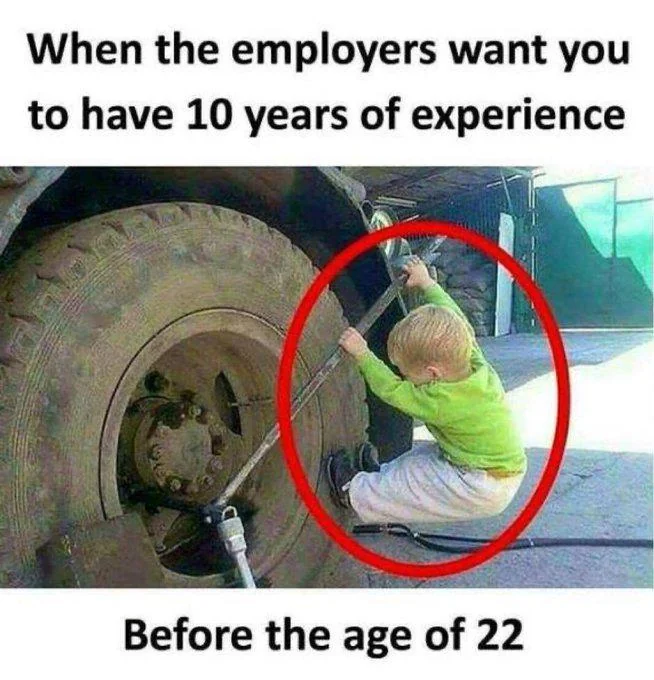
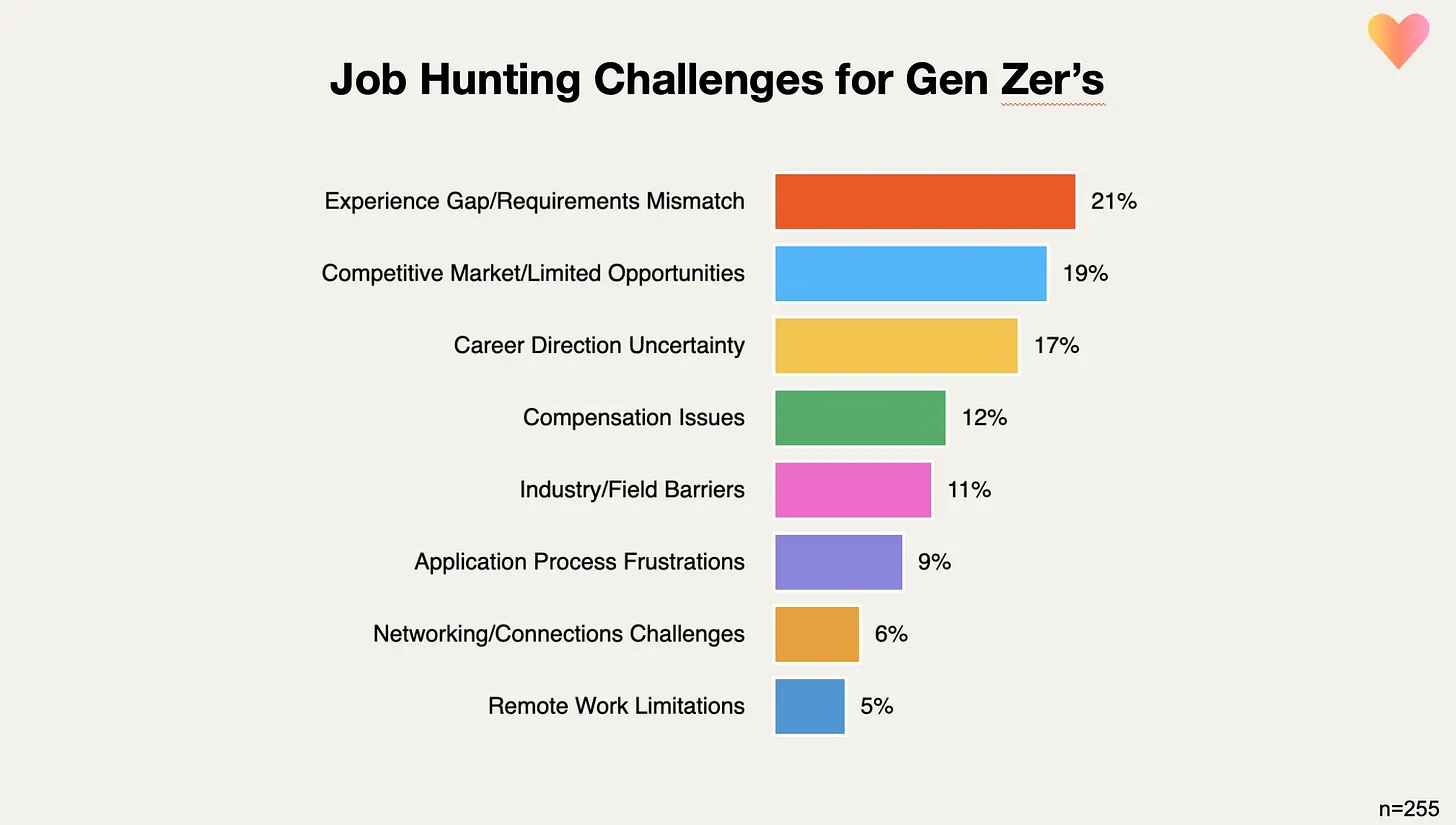
Most Gen Z grads figured landing their first job would be hard. Nobody warned them it might just be impossible to find.
Companies are leaning on AI to handle entry-level work while also expecting new grads to show up with more experience than an entry-level title should require. That combo may be squeezing out the jobs this generation assumed would be there for them, but "AI took the jobs" is too simple of a story.
Many are now just skipping the wait altogether and building their own paths through freelancing, gig work, and starting small businesses.
AI Is Reshaping Entry-Level Work More Than It's Replacing It
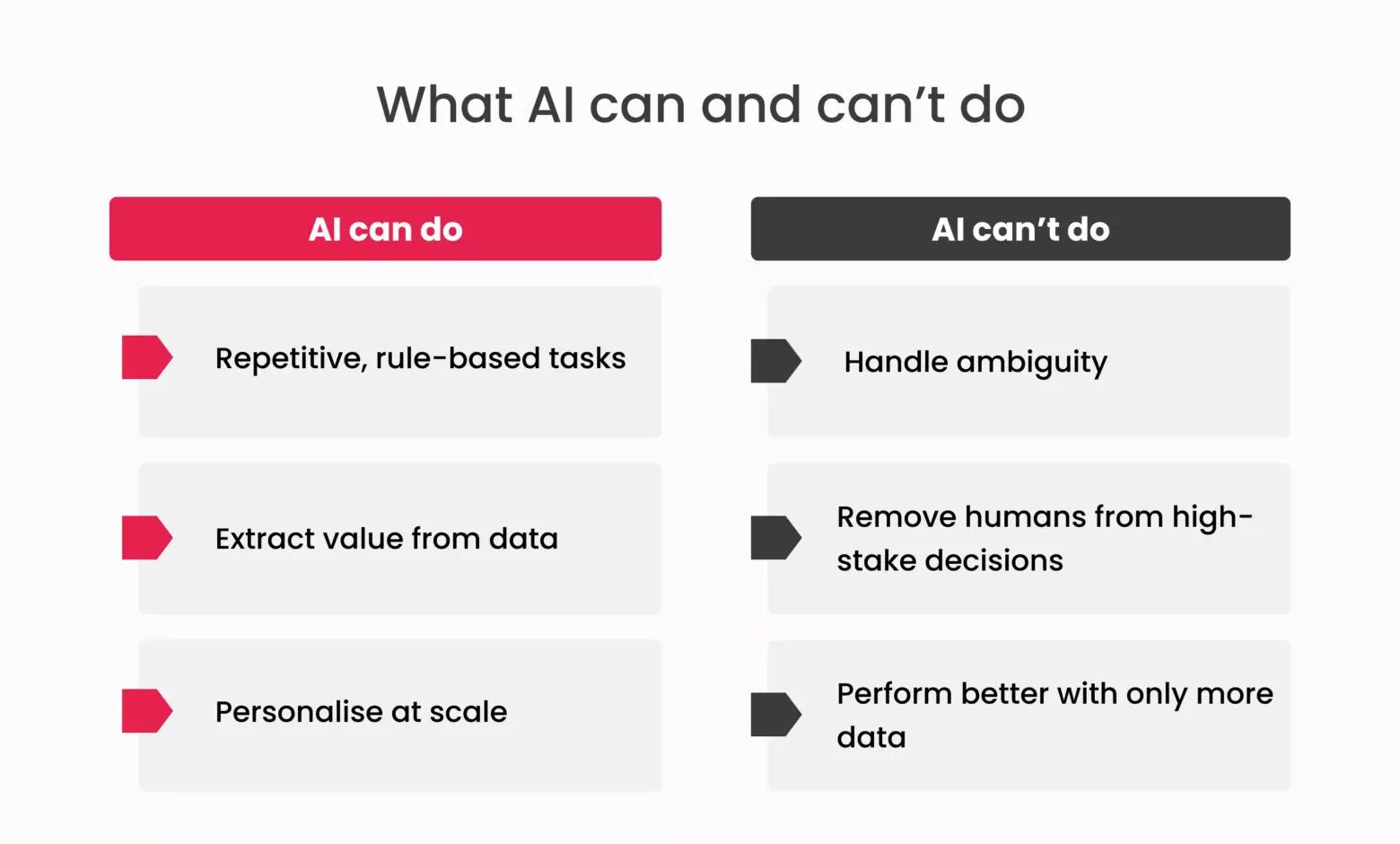
A shrinking job doesn't automatically mean it's disappearing. A lot of entry-level roles are getting reshaped by AI instead of wiped out entirely, and that's an important distinction if you're trying to figure out where to focus.
BCG's research says AI is expected to reshape way more jobs than it fully replaces, with routine admin work changing fastest. New kinds of roles are popping up too, ones centered around managing AI tools, creative thinking, customer relationships, and decision-making. Companies increasingly appear to want entry-level employees who use AI rather than avoid it. The skills companies want seem to be shifting about as fast as the roles themselves, as avoiding AI doesn't look like much of an option these days.
NACE's 2026 job outlook found that demand for AI skills in entry-level roles has nearly tripled since last year, even as employers still plan to grow graduate hiring by 5.6%. The Emmanuel Career Center adds that companies are hiring fewer traditional entry-level workers while expecting whoever they do hire to add value sooner. Hiring doesn't necessarily seem to be going away. It just seems to be getting pickier, with grads being expected to prove themselves faster than past generations were.
PwC found that job listings for junior roles asking for mid-career or senior-level skills have grown 35% since 2019, which tracks with what a lot of grads are running into firsthand. But it's not all cuts, as Anthropic, Amazon, Microsoft, and OpenAI recently backed a $1 billion fund aimed at retraining workers for an AI-driven job market. Some of the companies building this AI seem to be treating retraining as part of the picture too, not just automation. That could suggest this shift is being taken fairly seriously, at least in some corners.
Stepping back, the bigger risk right now might not be AI replacing workers outright so much as workers not adapting as quickly as the jobs around them change
Young Professionals Are Building Their Own Opportunities Instead of Waiting for One
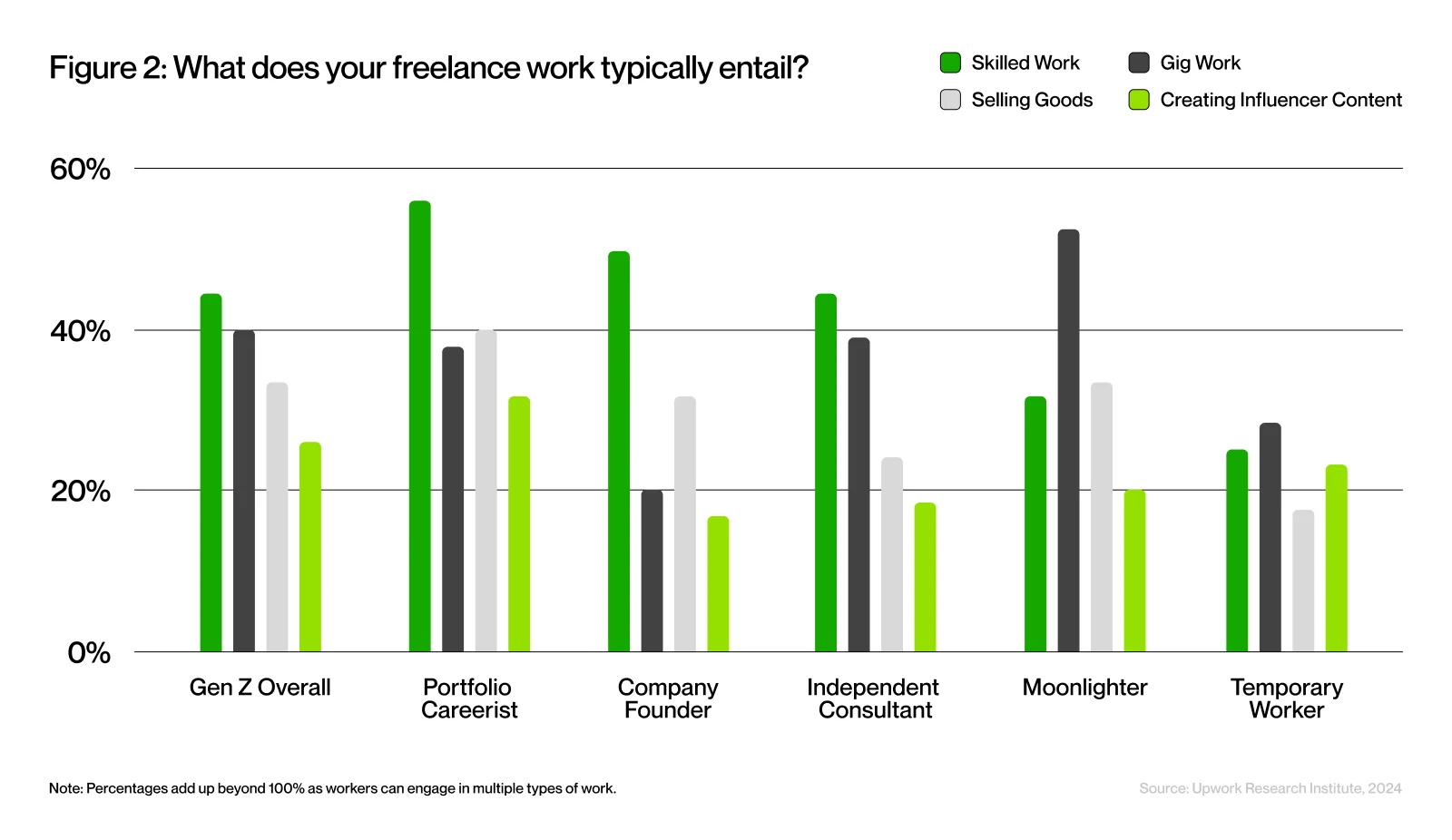
When the traditional path narrows, people go looking for a side door. A lot of Gen Z grads are just opening that door themselves instead of waiting around for a company to do it for them.
Fortune reports that a shrinking pool of entry-level openings is pushing a lot of Gen Z grads toward freelancing, gig work, and entrepreneurship. Nearly 38% are considering starting a business, 32.5% are weighing gig work, and 28% are looking into freelancing. This doesn't look like a small trend on the margins. A pretty large chunk of a generation appears to be rethinking what a “first job” even looks like.
LinkedIn found that many young professionals are already creating their own opportunities through side hustles or small businesses instead of leaning entirely on an employer. The Guardian called this the rise of "Generation Entrepreneurs," with AI making it easier to launch something despite a rough entry-level market. The same AI tools reshaping entry-level jobs also seem to be lowering the barrier to starting something independent, cutting both ways at once.
ZipRecruiter put it well, saying the old model of graduating, landing an entry-level job, then climbing doesn't really apply anymore, even though outcomes for grads still seem to be heading in a decent direction. The market already seems to be adjusting to this on its own, which could be a sign the shift has some real staying power.
Zooming out, people just don't seem to be waiting around for opportunities the way they might have a decade ago. A lot of them are making their own instead.
Building an Audience Is Turning Into an Actual Career Strategy
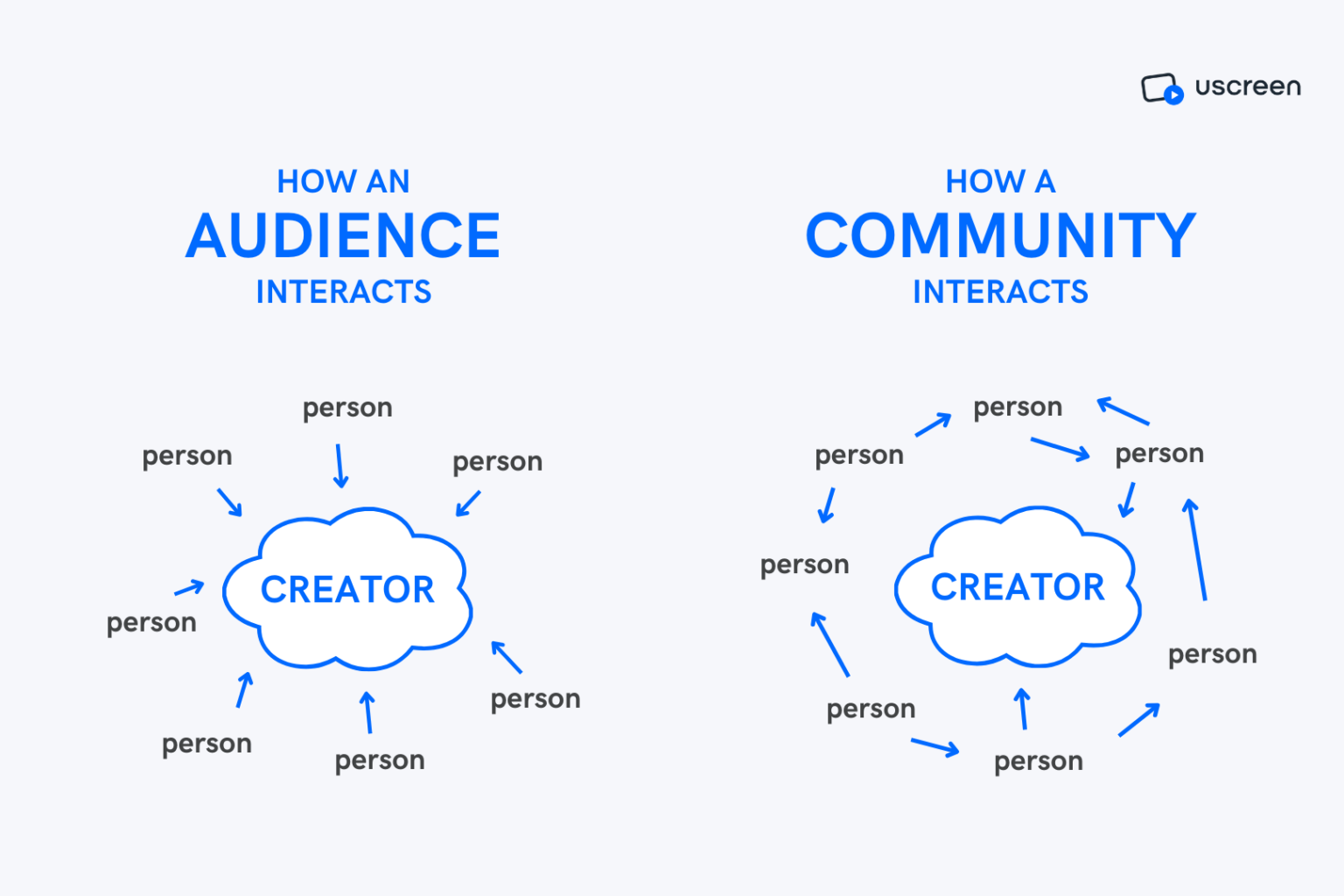
An audience used to be something brands built for marketing, but now it's starting to look like something individuals build their careers on.
Research suggests that consistently sharing useful knowledge online builds trust over time, and that trust tends to open doors a resume alone can't. You Are the Media puts it simply: audiences grow through consistency, authenticity, and actually helping people, not chasing whatever might go viral. Growing an audience seems to reward a lot of the same habits that make someone good at a job: showing up consistently and being useful. It might be less a shortcut and more a different kind of track record.
A personal audience can turn into client work, freelance gigs, partnerships, product sales, newsletter subscribers, even future employees. A lot of entrepreneurs treat platforms like LinkedIn, newsletters, YouTube, podcasts, and X less like marketing channels now and more like actual business assets they actually own. Visibility might just be the entry point, as the bigger value could be the pipeline it keeps generating on its own.
One writer's own story on Medium put a real number on this: he went from making about $25 a month on his early writing to $1,845 in a single week selling a digital product, after roughly a year of consistently posting around one clear topic. It's one example, but it suggests there can be a real path from consistent posting to actual income, even if it takes a while to get there.
Put it all together, and building an audience seems to give people a version of career security that doesn't hinge entirely on one company deciding to hire them.
Main Takeaway
Adaptability might be the new job security.
As AI reshapes traditional career paths, the people who pick up new skills, build their own opportunities, and grow an audience seem to be setting themselves up with a stronger long-term edge. The traditional ladder isn't necessarily gone, but it doesn't look like the only way up anymore.
Looking Ahead
As this keeps playing out, I think it's worth watching whether "building in public" and growing a personal audience start to feel less like a nice extra and more like just part of how you launch a career.
If that keeps holding true, the tools and platforms making it easier for people to reach an audience directly could end up mattering just as much as the companies still doing the traditional hiring.