



Auckland had a problem many businesses would love to have: people wanted more of its product than suppliers could provide.
The problem was housing. Auckland had strong demand for homes, but zoning rules limited how much housing developers could build across much of the city. In 2016, Auckland changed those rules, making it possible to build more homes and at greater densities.
The result offers a useful lesson for businesses: when demand is high, raising prices isn’t the only way to respond. Sometimes the bigger opportunity is to increase supply.
Auckland’s experience shows how businesses can identify what’s restricting their capacity, remove that bottleneck, and create more ways to serve customers instead of simply competing over the customers they already have.
When Demand Is High, Understand What Is Limiting Supply
When customers want more of something than a business can provide, it’s easy to assume the answer is to charge more.
But first, there’s another question worth asking. What’s actually preventing us from supplying more?
Auckland’s housing shortage wasn’t simply a problem of people wanting homes. The rules governing where and how much housing could be built were also limiting the supply.

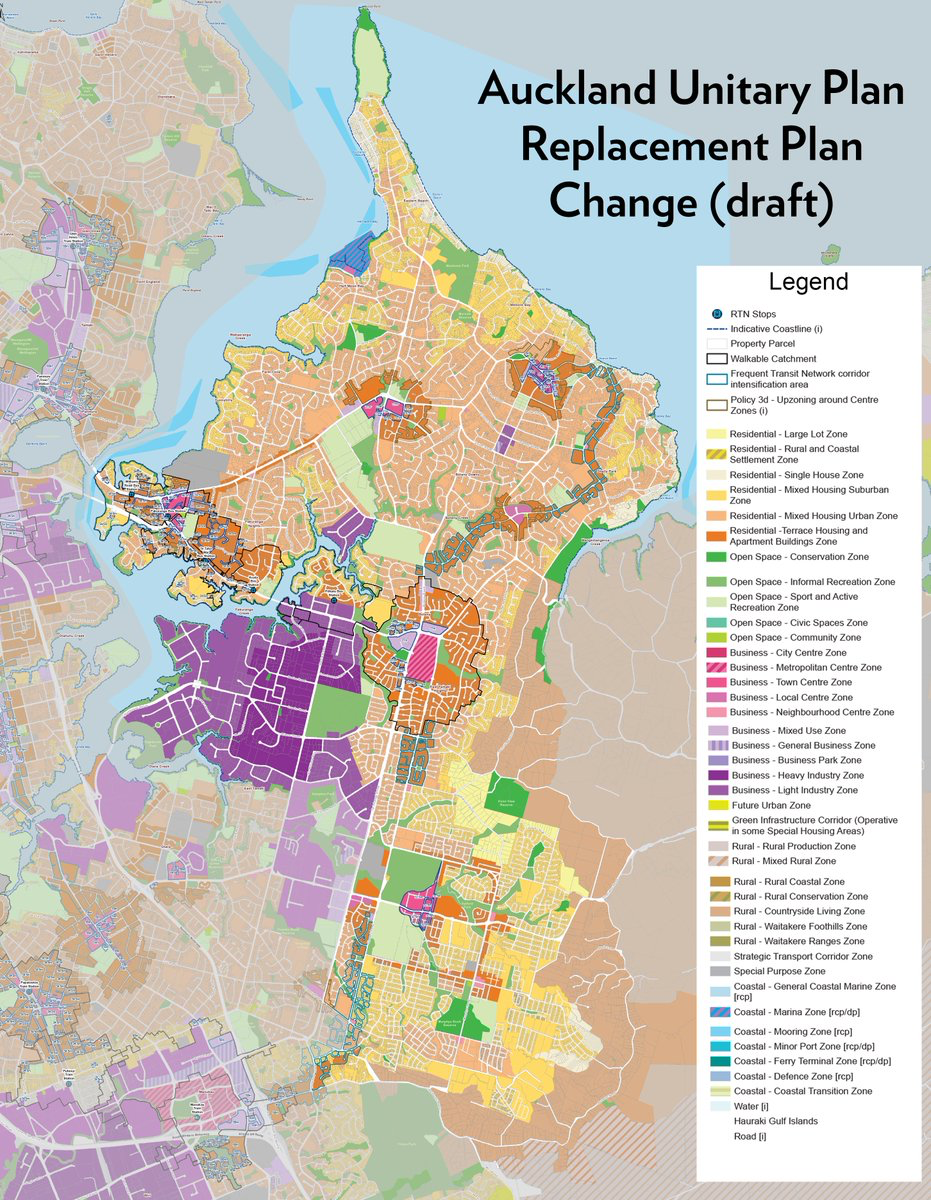
In 2016, Auckland implemented its Unitary Plan, which upzoned roughly three-quarters of the city’s residential land. In simple terms, land that previously might have supported one home could now potentially support multiple homes, while other areas could accommodate much greater density.
The city wasn’t creating demand. It was removing a restriction that prevented builders from responding to demand.
And builders responded.
One analysis estimates that the reform produced roughly 20,000 additional homes within five years, equivalent to more than 4% of Auckland’s housing stock. Another methodology estimates that the changes resulted in approximately 43,500 additional housing starts compared with what would have happened without the reform.
That distinction matters for businesses. If a contractor has more customers than its employees can handle, the demand already exists. If an online store keeps selling out, the customers are already there. If a restaurant has a waiting list every night, it may not need more advertising…It may need more supply.
That could mean hiring employees, increasing inventory, adding equipment, automating a process, or finding a faster way to deliver the product. Auckland’s first lesson is simple. Before raising prices or spending more money to find customers, figure out what’s preventing you from serving the customers you already have.
More Supply Can Reduce Price Pressure While Growing the Market

Once Auckland removed some of the restrictions on construction, the next question was whether increasing supply actually made a difference.
The numbers suggest it did.
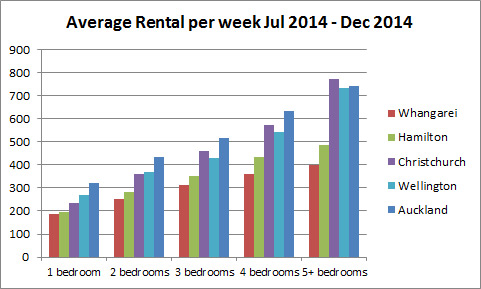
Between 2016 and 2022, the average weekly rent for a three-bedroom home in Auckland increased from about $528 NZ to $587 NZ. That’s an 11.2% increase.
That might sound significant until you compare it with other New Zealand cities during the same period. Three bedroom rents increased: 41.6% in Hamilton, 45.2% in Tauranga and 42.2% in Wellington
Auckland’s rents grew much more slowly.
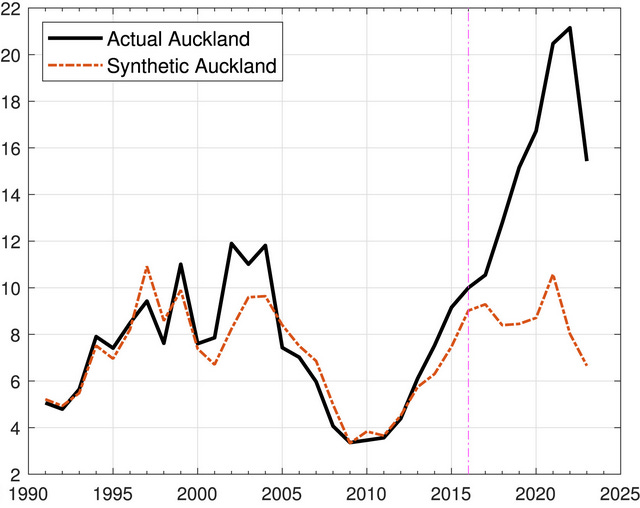
The research goes further. Using a “synthetic Auckland” to estimate what rents might have looked like without the zoning reform, researchers estimated that by 2022, three bedroom rents could have been 22–35% higher than they actually were.
In other words, increasing supply didn’t necessarily make housing cheap overnight. It helped prevent scarcity from putting as much upward pressure on prices.
New Zealand’s housing ministry has similarly identified housing supply and demand as major factors influencing rents and says increasing housing supply is an important part of improving rental affordability.

For a business owner, the same principle can create a different kind of opportunity. Imagine a cleaning company with more requests than its current team can handle. It could raise its prices and make more money per job. But if it hires another team, it can serve more customers.
A contractor could add another crew. A restaurant could add tables or expand its kitchen. An online business could increase inventory or automate fulfillment.
Instead of making more money because every customer is paying more, the business can make more money because it can serve more customers. That’s the important connection between supply and demand. When demand is already there, increasing supply gives the business a way to capture more of it.
Give Customers More Ways to Buy

But Auckland’s solution wasn’t simply “build more of the same thing.” The zoning changes allowed developers to build different types and densities of housing. That creates a third lesson for businesses. Expanding supply doesn’t always mean producing more of your existing product. It can also mean creating more ways for customers to access it.

A business that only sells through one physical location could add an online store. A service business could add another location, extend its hours, or hire additional employees.
A company that only sells one product could introduce complementary products or different versions of the same offering. Each change expands the business’s effective supply because it creates additional opportunities to serve customers.
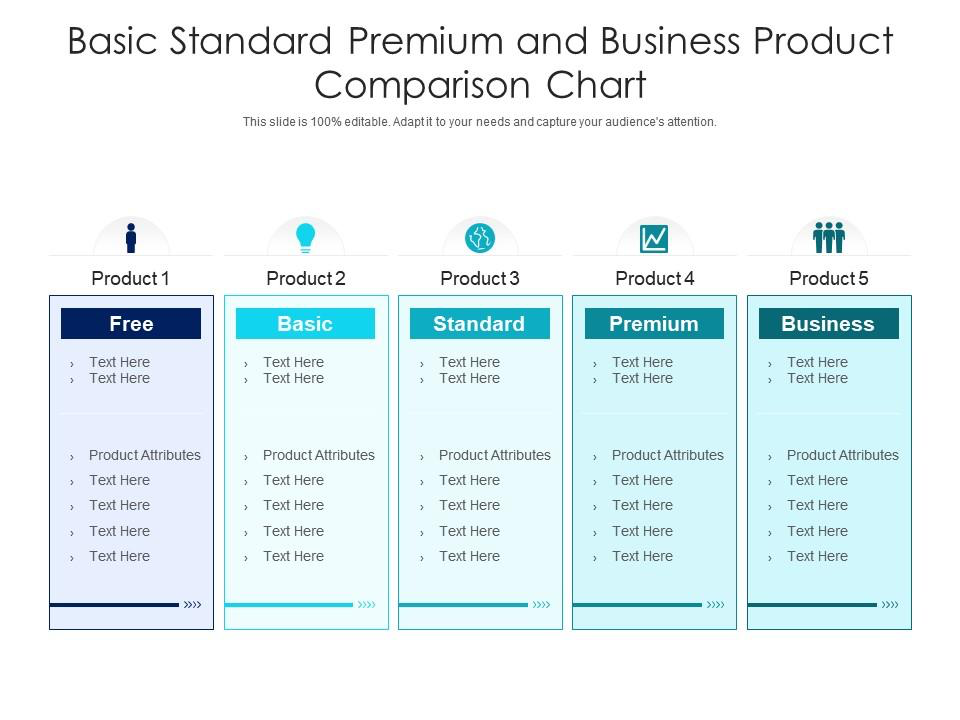
Businesses can also create different tiers for customers with different budgets and willingness to pay.
Instead of selling one product at one price, a company might offer a basic version, a standard option, and a premium package.
Research from the Global Network for Advanced Management has found that consumers can respond differently when premium features are offered as add-ons versus being bundled into an upgraded product. The point isn’t that every business needs three pricing tiers. It’s that one product doesn’t have to serve everyone in exactly the same way.

Forbes also recommends expanding a company’s visibility through channels such as websites, search, social media, content, and paid advertising. That matters because supply isn’t just about how many products you physically have.
For a modern business, supply can include how many products you offer, how many employees you have, how many customers you can serve, where they can buy, and how many ways they can access you.Auckland expanded housing supply by giving developers more ways to build.
Businesses can do something similar by giving themselves more ways to serve.
Main Takeaway
Auckland’s housing reform shows what can happen when a market responds to strong demand by expanding supply instead of simply allowing scarcity to push prices higher.
The city identified a constraint, changed the rules that were limiting construction, and saw a major increase in housing supply. One analysis estimates roughly 20,000 additional homes within five years, while another estimates approximately 43,500 additional housing starts compared with what would have happened without the reform.
For businesses, the lesson isn’t to never raise prices. It’s to recognize that price isn’t the only lever you have when demand is high. If customers are lining up, orders are piling up, or you’re constantly turning people away, ask what’s limiting your supply. Maybe you need more employees. Maybe you need more inventory. Maybe you need another location, a new sales channel, a different product tier, or a better system.
The goal isn’t simply to have more demand. It’s to build enough supply to actually capture it.