


What We’re Actually Buying
One of the funniest shifts happening online right now is that some of the most convincing content on the internet is people telling others not to buy things.
For years, feeds were basically endless streams of haul videos, restocks, Amazon “must-haves,” and small products that were supposedly going to change your entire life. Now, some of the best-performing content on TikTok is anti-hauls, no-buy lists, and people dramatically showing off using the exact same bag for months like it’s a moral achievement.
Even skincare content has shifted into watching people squeeze the last bit out of a moisturizer bottle with what can only be described as emotional exhaustion.
Overconsumption is rarely about the object itself; it’s about what the object promises to fix.
You’re not buying a new planner, you’re buying the idea that this is finally the version of you who has it together. You’re not buying the trendy water bottle, you’re buying hydration, wellness, productivity, and somehow, a slightly improved personality.
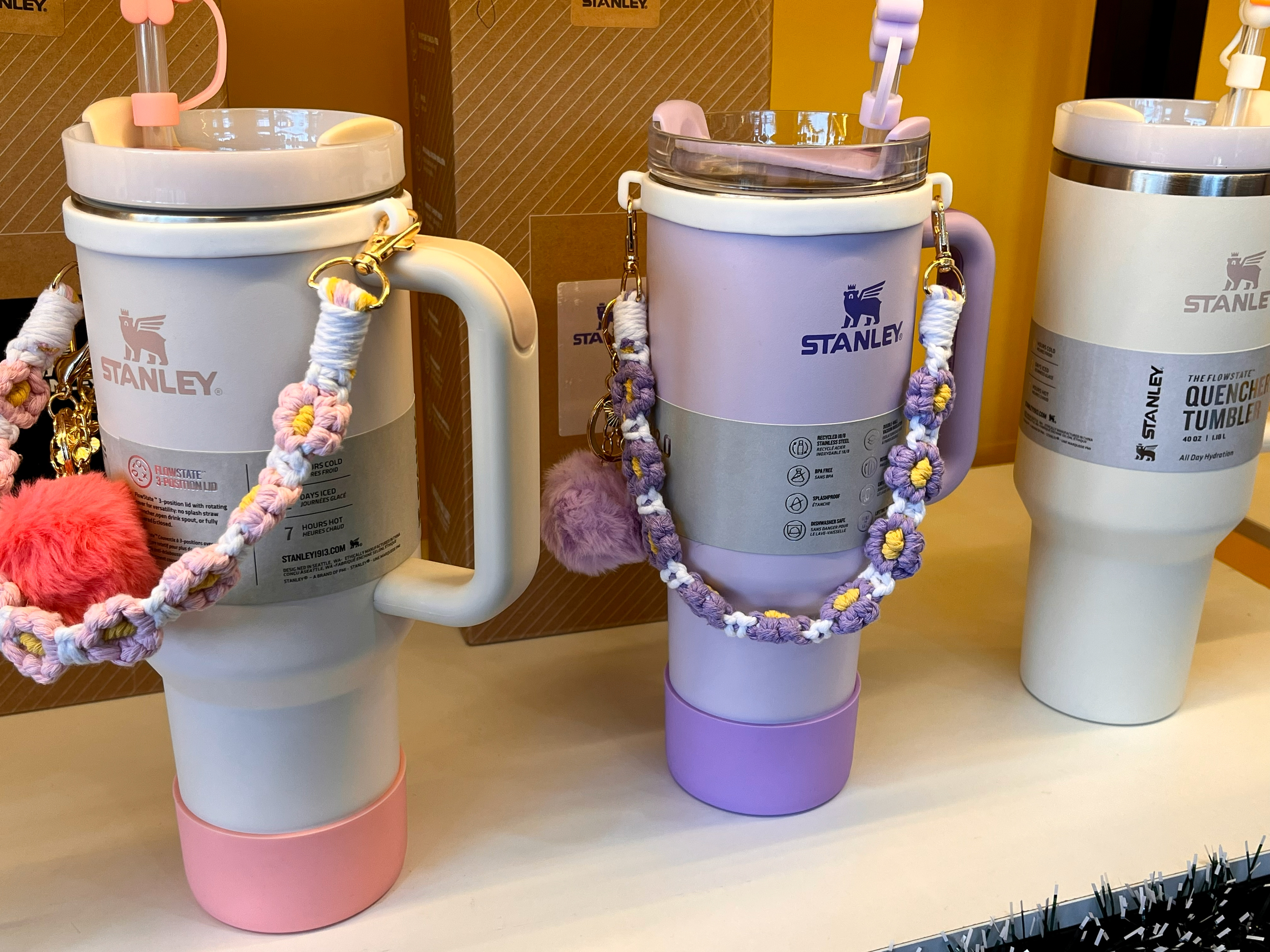
That’s why something like the Stanley Cup spiral felt so absurdly perfect. It started as a water bottle. Then it became a water bottle with accessories. Then a water bottle with a backpack, charms, toppers, carriers, trays, and at some point, probably an umbrella. The product stopped being a product and became a customizable identity kit.
It wasn’t really about hydration anymore. It was about proving you knew how to participate correctly.
And that’s the real game: modern consumer culture doesn’t just sell things, it sells self-concepts. It sells the fantasy that your life is one purchase away from being cleaner, calmer, hotter, more efficient, more “put together,” or whatever the algorithm decides you’re insecure about this week.
Why “Don’t Buy It” Hits So Hard
When anti-haul content takes off, it doesn’t feel boring, it feels like people are catching on.
Because once you realize that a lot of shopping content is just professionally packaged dissatisfaction, “do not buy it” starts sounding less like budgeting advice and more like critical thinking.
It also explains why this trend feels bigger than simple minimalism. It gives people a new identity: not the person with the most stuff, but the person too self-aware to get emotionally sold a straw topper for their emotional support cup.
And yes, there’s still performance in that too. Acting above wanting things is its own kind of aesthetic. But it’s a performance that feels better to people because it reads as discipline, taste, media literacy, even emotional maturity.
Buying less is suddenly better branded than buying more. At this point, people aren’t rejecting consumerism because they stopped caring about aesthetics, they’re rejecting the embarrassment of looking too easy to sell to.Uber Eats and Doordash Spamming My Line?