


Workouts Became Content
Social Media transformed fitness from something people did into something people shared. As workouts become content, the gym evolved from a place focused on health into a culture driven by aesthetics, personal branding, and online communities that make fitness more social than ever before.
The Aesthetic Drive
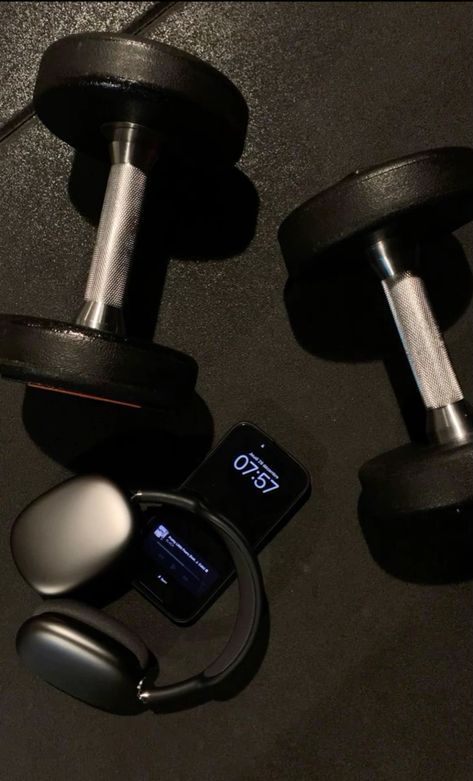
Years ago, fitness goals were often tied to performance.
People trained to run faster, jump higher, or become stronger.
Today, many fitness conversations revolve around results like visible abs, transformation pictures, and impressive physiques.
This shift makes sense when you consider how social media works. Platforms like Instagram and Tiktok reward visuals, making a six pack easier to share than low blood pressure or improved cardiovascular health.
This reflects the psychological principle of social comparison theory, which suggests people evaluate themselves against others. Social media creates an endless steam of physiques and transformation videos, encouraging users to compare their progress to what they see online.
From a marketing perspective, platforms naturally prioritize what is most visually engaging. As a result, aesthetics became one of fitness culture's most marketable products. Social media doesn't necessarily reward what's healthiest, it rewards what's easiest to display.
Fitness Became Part of Personal Branding
Working out is no longer just about health.
For many people, fitness communicates discipline, ambition, self improvement, and status.
Trends like 75 Hard, winter arc, and elaborate morning routines are often shared online not just to document progress but to communicate identity.
At the same time, creators like Sam Sulek, Chris Bumstead, and David Laid have become influential media brands, attracting millions of followers who look to them for motivation and advice.

This connects to identity signaling, the idea that people use behaviors and purchase to communicate who they are or who they want to become.
Consumers are often buying more than fitness products.They’re buying a version of themselves. The creator economy has accelerated this shift by turning fitness personalities into trusted brands that influence consumer behavior.
Demand for Community
Some of the fastest growing fitness products today aren’t workouts, they’re communities.
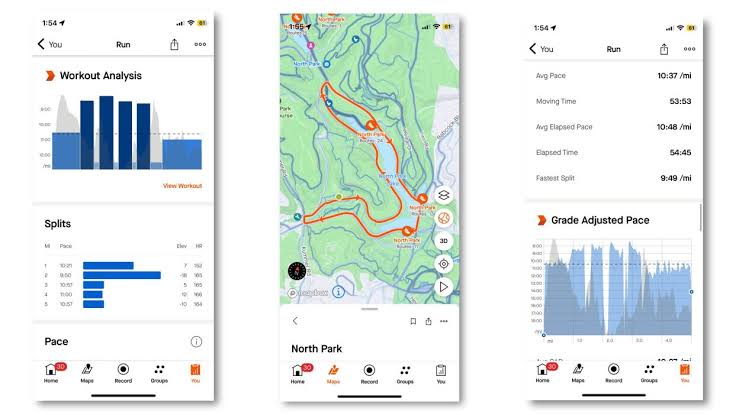
Apps like strava, pelaton, and Nike running club transformed exercise into a shared experience. Run clubs have exploded in popularity because they combine fitness with friendship, networking, accountability, and belonging.
At the same time, figures like Joey Swoll gained a massive following by pushing back against influencer driven gym culture and advocating for respect, authenticity, and community.
People are more likely to stick with habits when they feel connected to a group.
The most successful fitness brands don't just sell exercise, they sell community. As consumers become overwhelmed by highly curated online personas, many are increasingly drawn to people and brands that feel authentic and relatable.
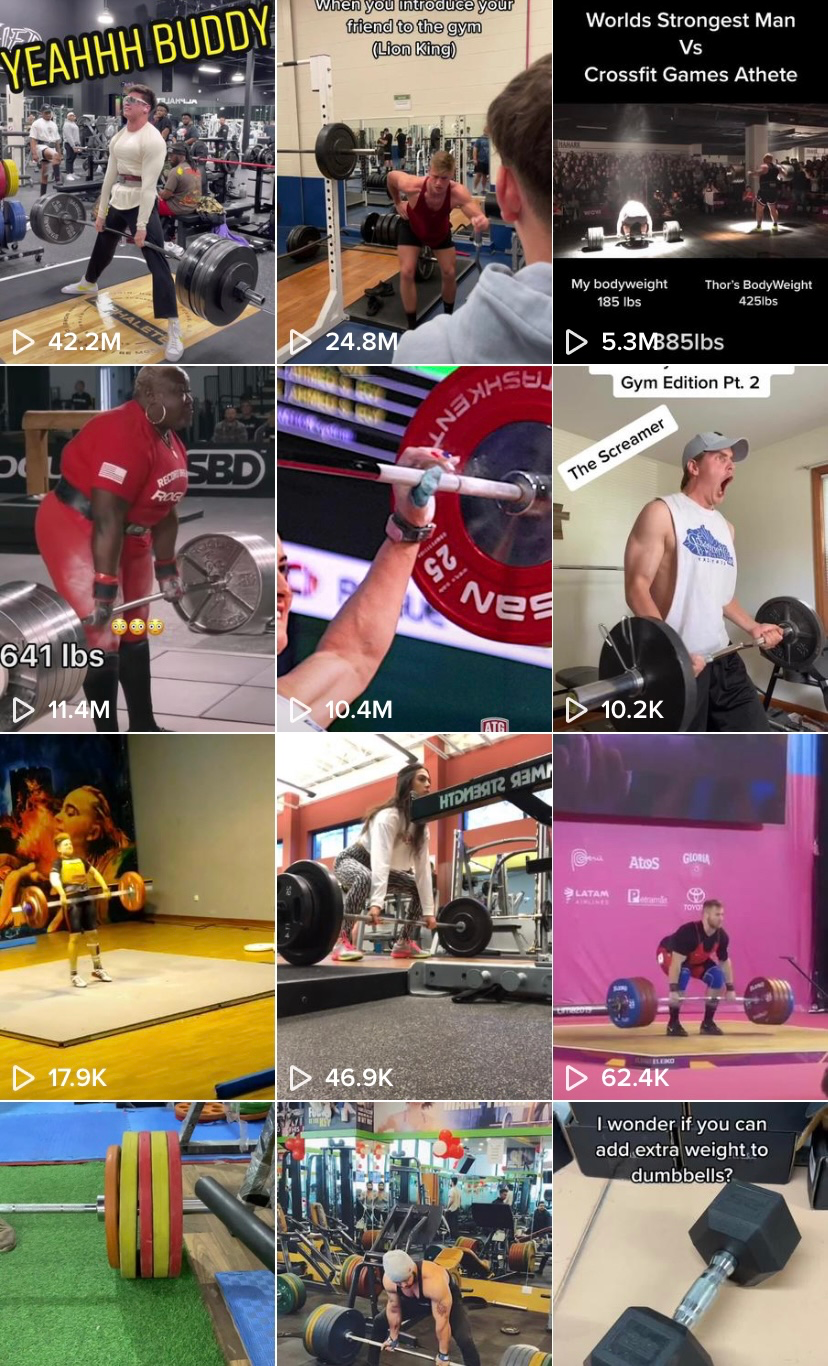
Social media didn't just change how people work out, it changed why they work out.
Fitness became more visual, more social, and more closely tied to identity.
The biggest winners in today's fitness industry aren't simply helping people get healthier. They're helping people express who they are and connect with others.