


Fast Fashion and Controversy
There’s been a lot more conversation recently around Shein- and other fast fashion brands- being connected to child labor and unethical working conditions. When that kind of information starts circulating, people usually react pretty quickly. They say they’re not going to buy from the brand anymore, or they try to avoid it altogether. You also see this with brands that have political associations or anything that makes people feel like the company’s values don’t align with theirs.
Nothing About the Product Changes
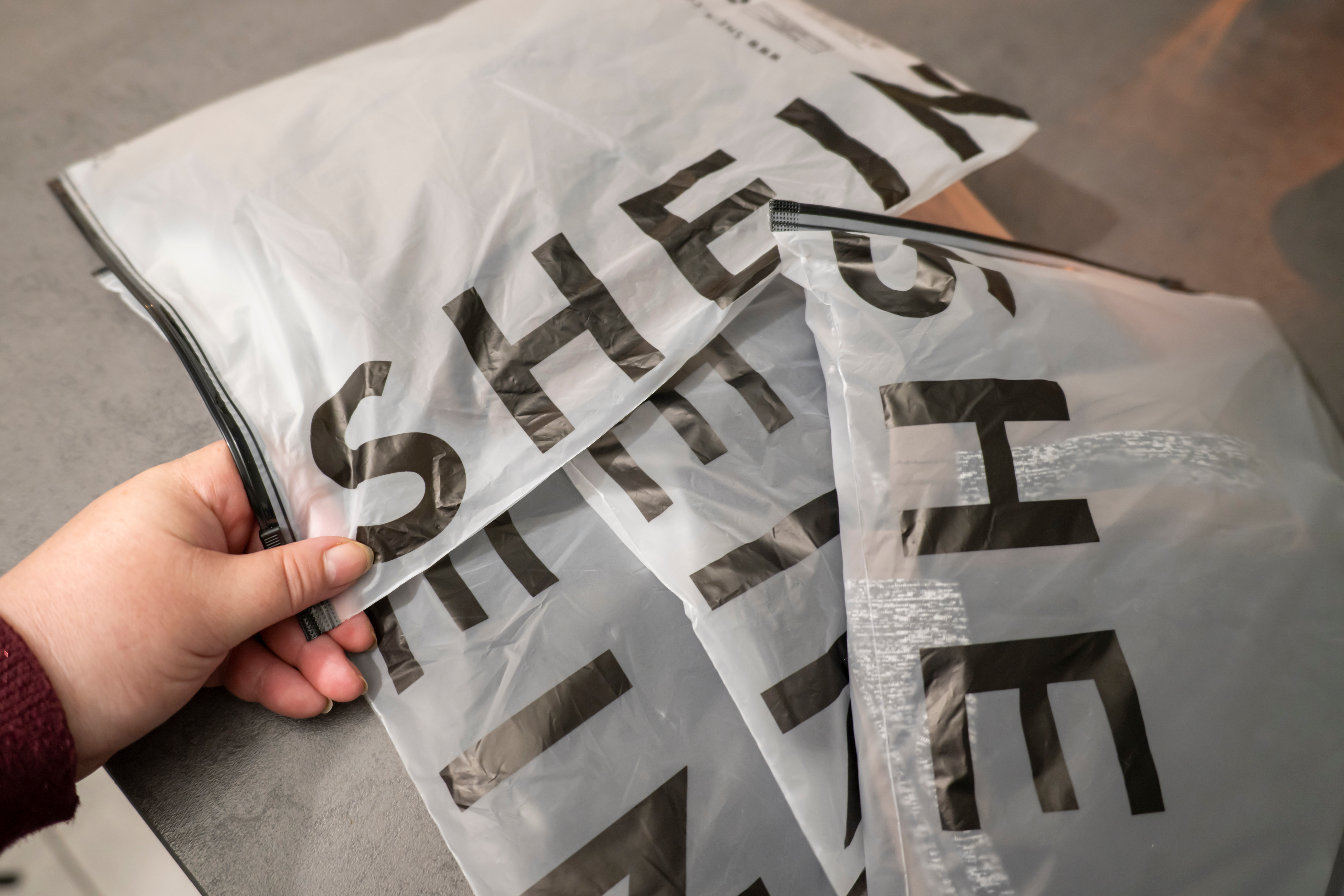
What’s interesting is that nothing about the actual product changes. The clothes are still the same, the prices are still the same, and it’s still just as easy to buy from them. The only thing that changes is how people feel about the brand.
For example, Shein itself reported that in its 2023 audits, it found two cases of child labor in its supply chain and said it cut ties with those suppliers. At the same time, there’s still ongoing scrutiny from governments and media around labor conditions and sourcing. So even when a company responds, the association doesn’t just go away.
Why People React So Strongly

From a psychological perspective, this comes down to brand morality. People don’t just buy things because they like them- they also think about what the brand represents.
When a brand becomes associated with something like child labor, it changes what buying from it feels like. It stops feeling neutral and starts to feel like a decision that reflects something about you.
That’s usually when people start pulling back. Even if they still like the product, they might stop buying, or at least say they are. You’ll see people posting about boycotting, looking for alternatives, or calling out the brand.
This Isn’t Just One Brand
This pattern isn’t specific to Shein.
Boohoo faced backlash after reports about poor working conditions and low pay in parts of its supply chain. H&M has been criticized over labor conditions in supplier factories. And brands like Nike and Adidas have been pulled into conversations around forced labor concerns tied to sourcing.
So this isn’t about one company- it’s something that happens whenever a brand becomes associated with exploitation or unethical practices.
Why People Respond Differently
What’s interesting is that not everyone responds the same way.
Some people completely stop buying. Others still buy, even if they know about the issues.
Research helps explain this. Some people connect the brand’s behavior directly to the product, so they feel like they can’t separate the two. Other people separate it- they see the issue as wrong, but still justify buying the product anyway.
That’s why you’ll see two completely different reactions to the same situation. One person is saying they’ll never buy from the brand again, while someone else is saying every company does something similar, so it doesn’t matter.
What This Actually Shows

So it doesn’t always come down to the product. It comes down to whether the brand still feels acceptable to be associated with.
For some people, it’s about their own values. For others, it’s also about how they’re perceived and what it looks like to support that brand publicly.
This ties into something bigger. A lot of what drives what we buy isn’t just about price or quality. It’s about whether the brand still feels aligned with us, and whether buying from it feels like something we’re okay being connected to.
Once that shifts, even if the product stays the same, the decision to buy it changes.