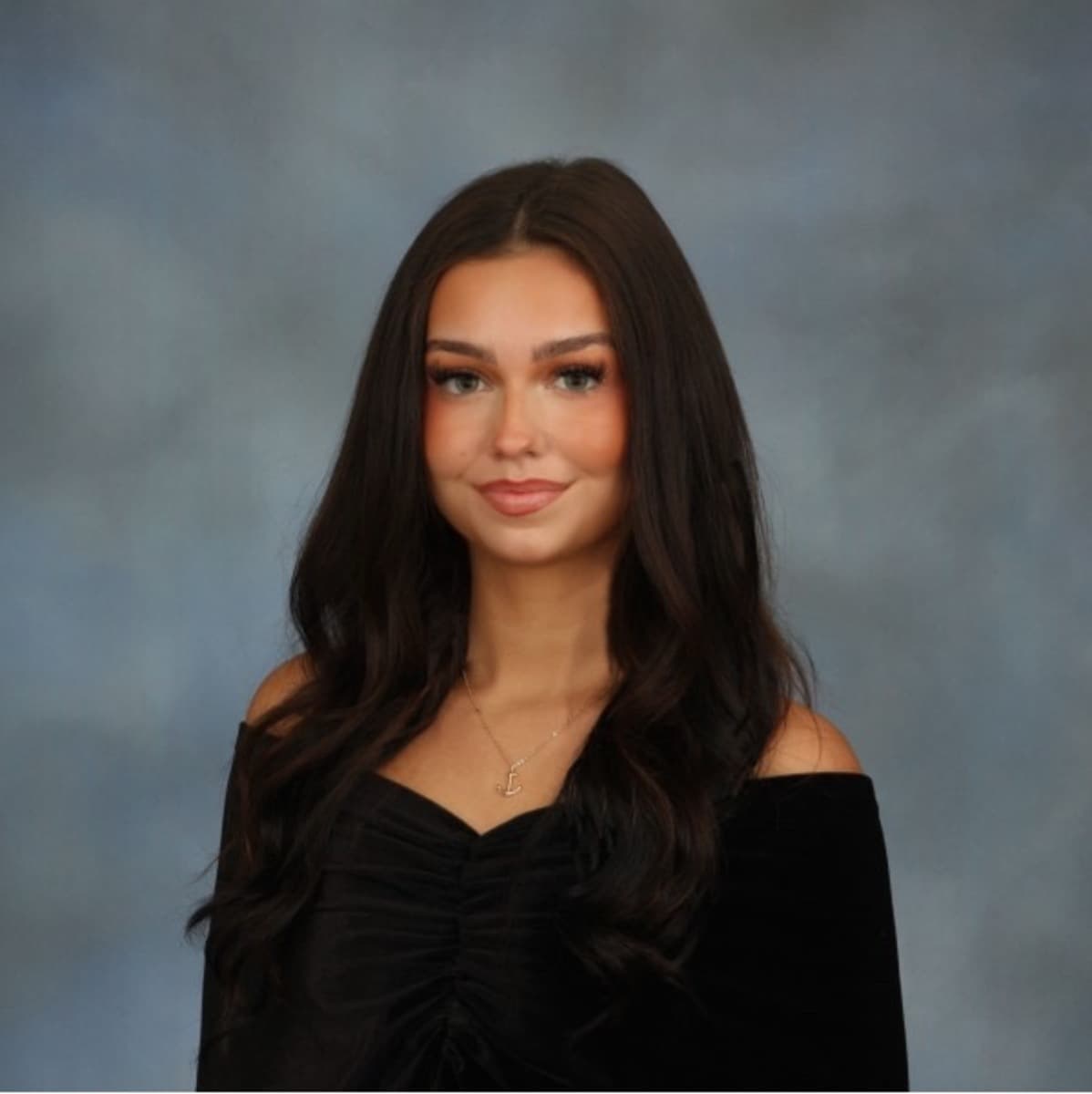


The Rise of the “Clean Girl”
The clean girl aesthetic became one of TikTok’s biggest trends because it transformed beauty into a lifestyle people can buy into.
It became popular because of its “uniform” becoming a symbol of having your life together, wellness routine becoming viral and inspiring content, and brands turning self improvement into a marketable identity.
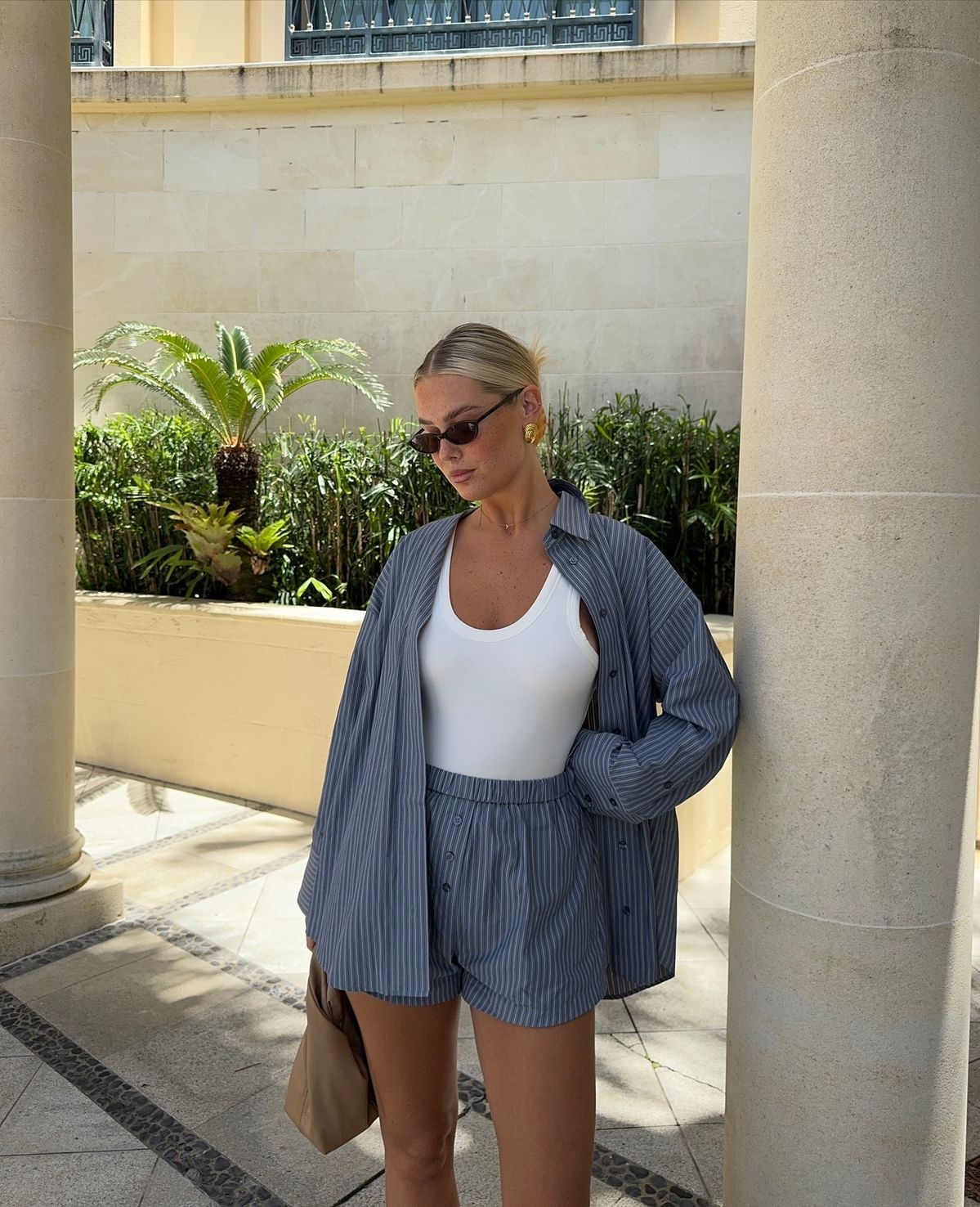
The Uniform as a Symbol
Open TikTok and you’ll see it immediately. A girl pulls her hair into a slick back bun, puts on gold hoop earrings, throws on a matching set, and grabs her water bottle before making breakfast and heading to her Pilates class.
The comments aren’t talking about her fit, they’re mentioning how unproductive they are and how they need to get their lives together.
That’s what makes the clean girl aesthetic so powerful. The look quickly became a symbol of success and confidence.
Wellness Became Content
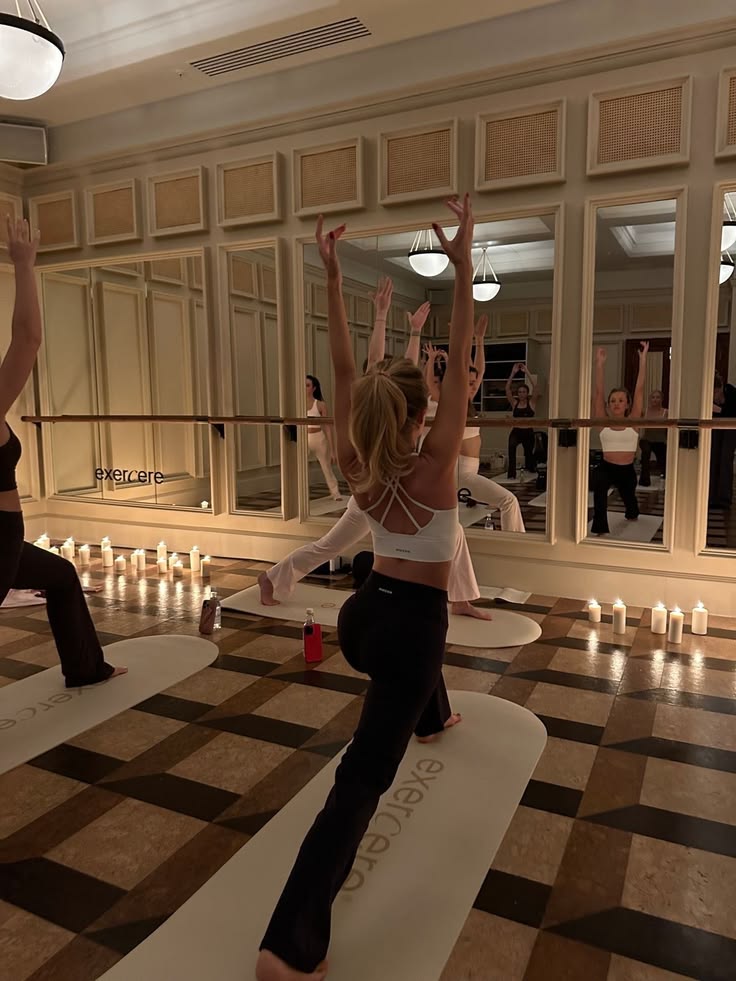
A creator wakes up at 5 am, she doesn’t snooze the alarm and hops up like she’s been awake for hours. She gets changed into a cute set with dainty jewelry, claw clips her hair, does a simple “no makeup makeup” routine, journals, and heads out for a yoga class.
Everyone sees these videos, and the appeal isn’t the outfit or makeup, it’s how productive and put together her life looks. And suddenly wellness isn’t about health, it’s about becoming part of an identity.
Brands Sold the Lifestyle
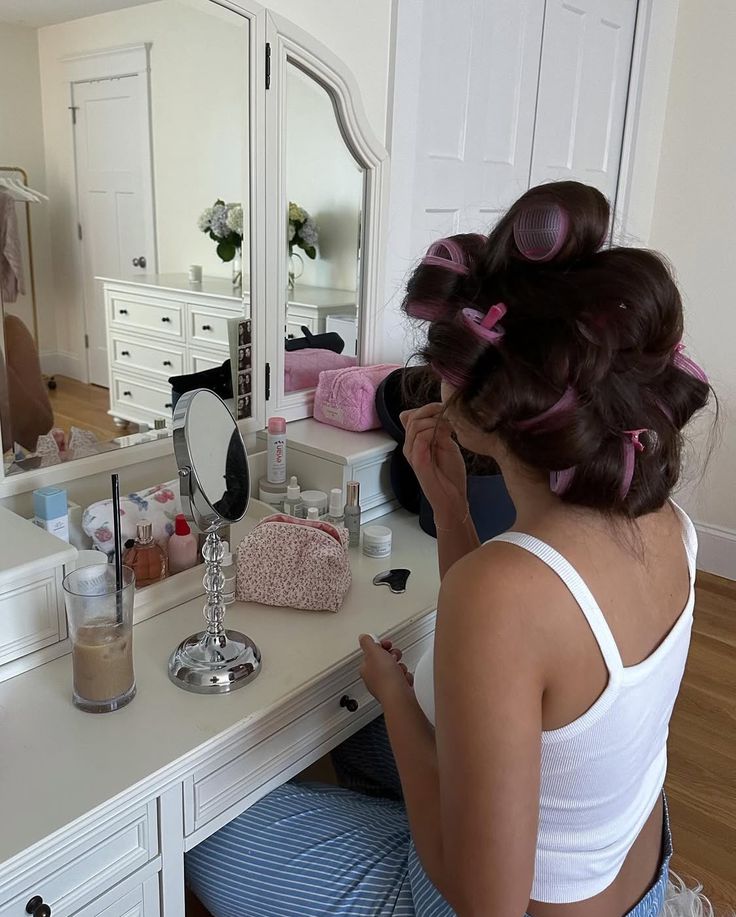
A creator casually films a Get Ready With Me showing her favorite slick back hair products, skin care routine, and the best minimalistic jewelry ever.
Throughout the video, she casually mentions where she got these products and in her bio there’s a link to every product. It’s obvious she gets commission off of these products.
Brands quickly realized they’re not just selling the products but they’re selling the identity and life that comes with these products.
This is called aspirational marketing. Consumers aren’t just buying products, they’re buying the version of themselves those products represent.
The clean girl aesthetic wasn’t really about the slick back hair and yoga routines.
It became a marketing tactic because it combined beauty, success, and wellness into one identity people wanted.
And once brands figured out how to sell that identity, the trend became much bigger than a hairstyle or workout routine.