


Intro
Consumers don't just buy products, they buy expectations.
The marketing placebo effect shows that branding, pricing, packaging, and storytelling can influence how people experience a product just as much as the product itself.
This happens through premium pricing that signals quality, Brand associations that shape perception, and marketing stories that influence what consumers expect before they even use a product.
Why Expensive Products Seem Better
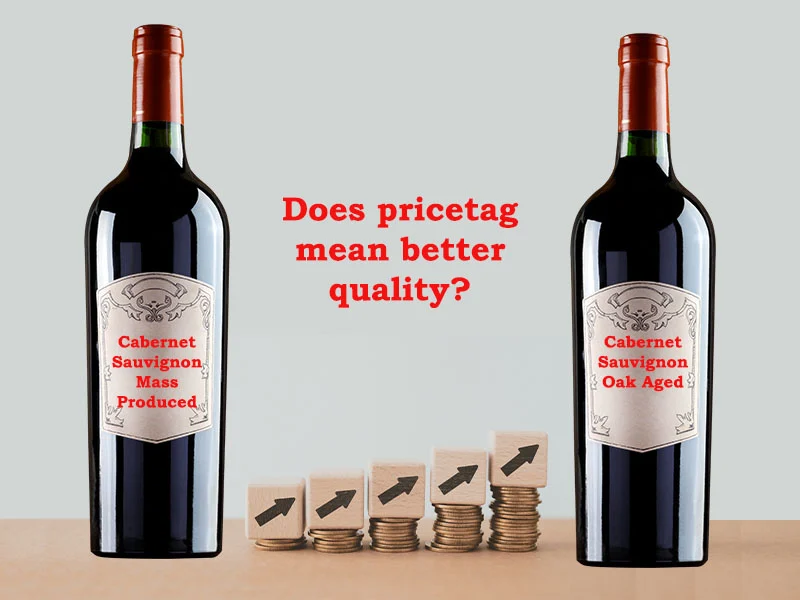
Imagine being handed two different glasses of wine.
You're told one bottle costs $15 while the other costs $150
Most people would expect the more expensive one to taste better.
Researchers at CalTech and Stanford tested this out. Participants were given identical wines but were told they had different prices. Consistently, people rated the expensive wine as tasting better, despite it being the same product.
Brain scans even showed that pleasure related areas of the brain become more active when contestants believed they were drinking the expensive wine.
Consumers often rely on the price quality heuristic, a mental shortcut where people assume higher priced products are better.
The wine never changed, but the expectation did.
This shows that price doesn't just communicate value, it helps create it. Consumers often evaluate products through the expectations they bring. That is why premium prices can sometimes increase perceived quality before a customer even takes their first sip.
The Story Becomes Part of the Product
A similar experiment was done with energy drinks.
Participants received the same drink, but not the same marketing message. One group was told the drink could improve performance, while another group received less information.
The results showed that the group who believed the marketing claims actually performed better on cognitive tests.
The product was identical but the expectations weren't.
This demonstrates the expectation effect, which occurs when beliefs influence outcomes. Once consumers expect a product to perform a certain way, those expectations can shape how they experience it.
This also reflects the idea of self fulfilling prophecy, where beliefs influence behaviors in ways that help create the expected outcome.
This shows why storytelling matters. Marketers often think they're selling features and benefits, but they're also selling a narrative. In many cases that narrative becomes part of the consumer experience itself. The marketing message didn't just advertise the product, it helped shape the results people experienced.
Brands Change Perception
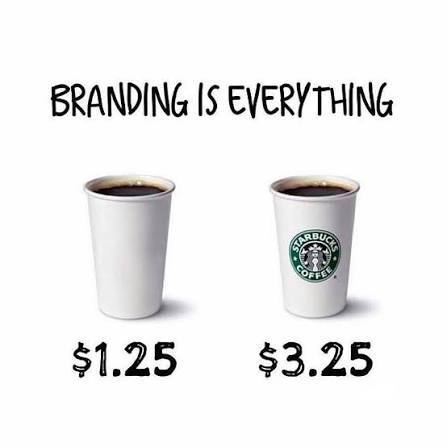
Imagine there's two cups of coffee sitting on a table.
One has the starbucks label on it. The other is a basic gas station coffee.
Even if the coffee inside is identical, many people will probably say the Starbucks one is better.
The reason for this is Starbucks has spent decades building a reputation around quality, consistency, and convenience. Consumers aren't just tasting coffee, they're experiencing everything the brand represents.
The same idea helps explain companies like Apple, Rolex, Louis Vuitton, etc. Consumers are not only purchasing status, identity, and exclusivity.
This relates to brand association theory which suggests consumers develop mental connections around brands over time. These associations act as cognitive shortcuts that influence perception before a product is even used.
This is tied to the halo effect, where positive feelings about a brand influence how people evaluate everything associated with it.
Strong brands possess a major competitive advantage because they shape expectations in advance. Apple doesn't just sell technology. Rolex doesn't just sell watches. Lamborghini even markets the idea that “you buy a Ferrari when you want to be someone, you buy a Lamborghini when you are someone.” All these brands sell beliefs about quality, status, and identity.
Conclusion
The marketing placebo effect reveals one of the most powerful truths in business. Consumers rarely experience products objectively.
Instead they experience products through the expectations that brands create.
Whether it's wine, coffee, a watch, or a car, expectations shape perception.
The best marketers understand that they aren't just selling products.
They're selling confidence, identity, belief, and the expectation of a better experience before consumers even make a purchase.