


Intro
Love Island's success comes from turning viewers into active participants rather than passive spectators.
Unlike traditional reality shows, where audiences simply watch events unfold, Love island thrives through fan voting, Parasocial relationships that create emotional investment, and social media discussions that can completely reshape public opinion.
Fans aren't just watching the game, they're playing it
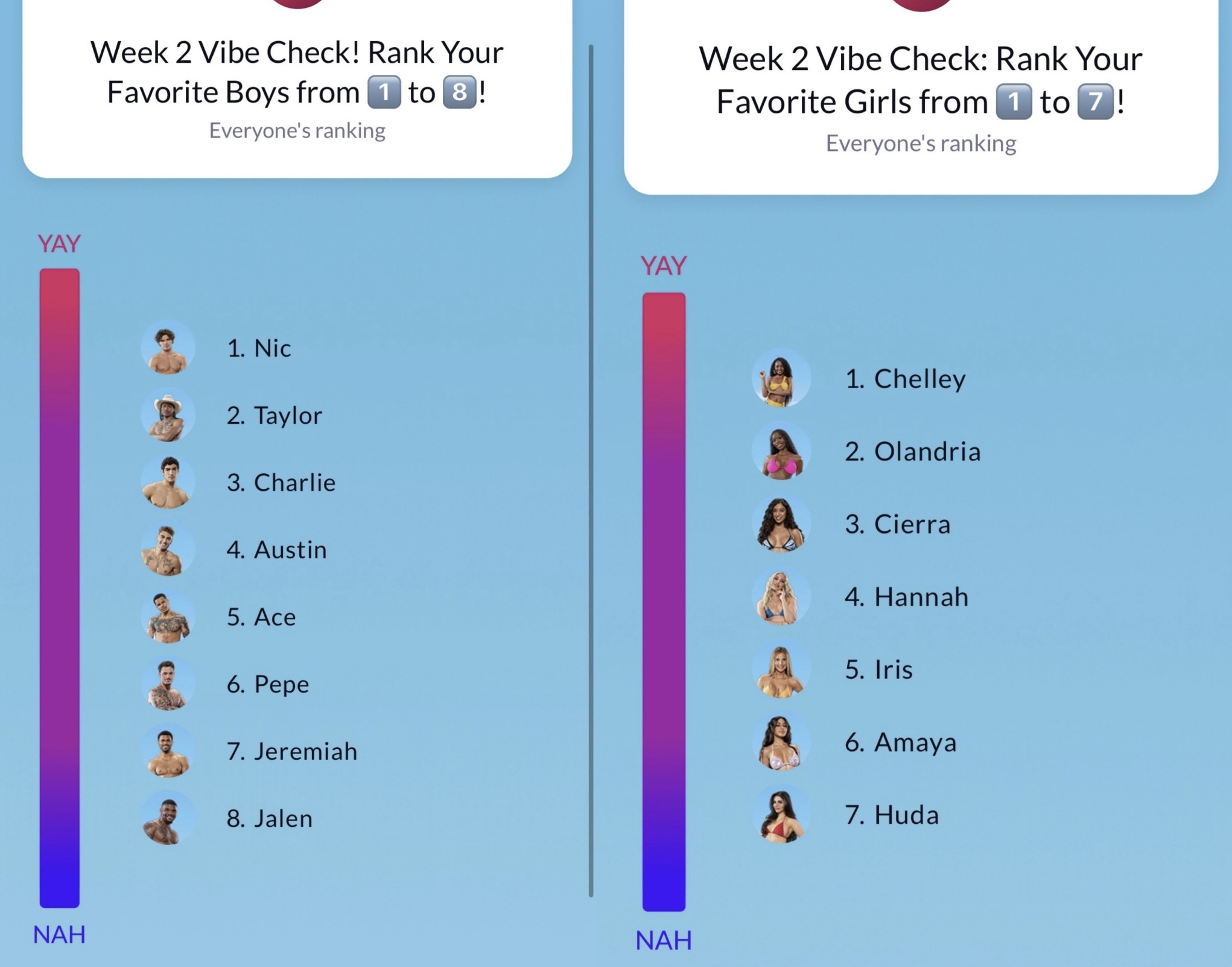
Most reality shows follow a simple formula. Contestants compete and audiences watch.
Love Island changes that formula.
Fans vote on favorite couples, eliminations, and winners, giving viewers direct influence over what happens in the villa. Instead of feeling like they watched an outcome, fans feel like they helped create it.
This connects to participatory engagement, the idea that people become more invested when they help make decisions. Research consistently shows that participation creates stronger emotional attachment than observation alone.
From a marketing perspective, this is why online communities thrive. Whether it's Tiktok comments, Reddit discussions, or Love Island voting, consumers care more when they feel they have influence over the outcome.
Fans become attached to people, not the show
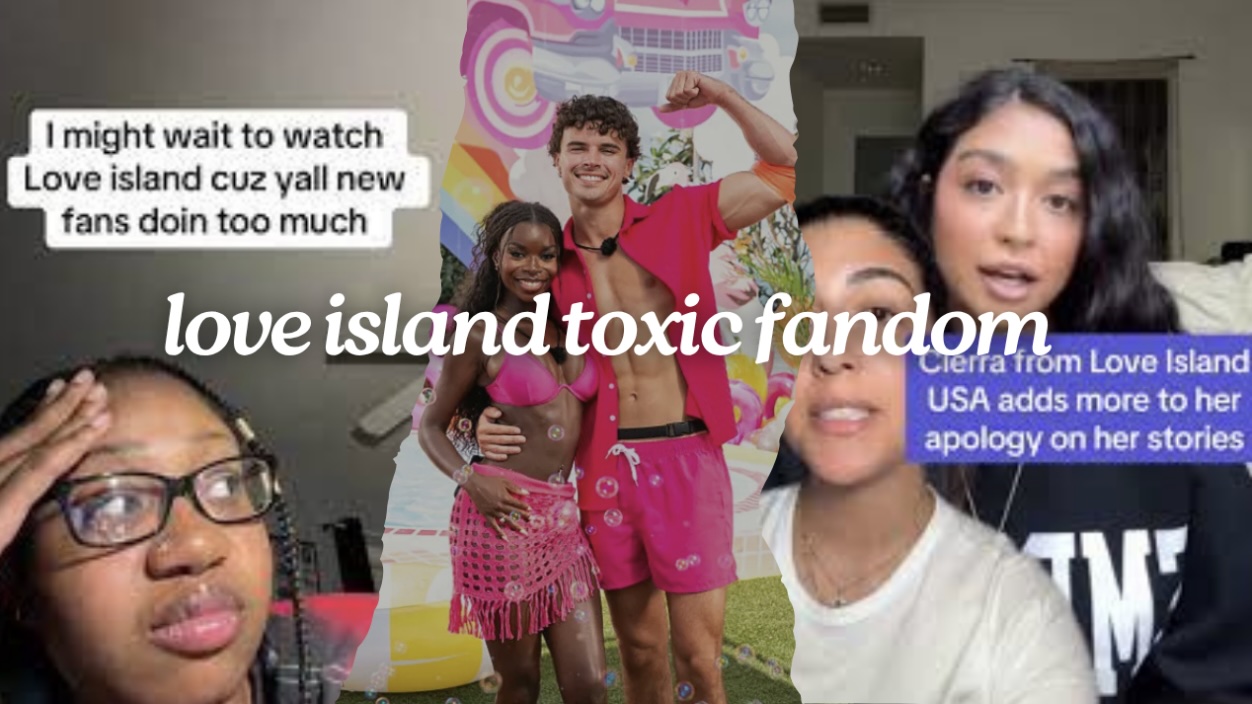
Love Island contestants quickly become more than contestants.
They become heroes, villains, relationship goals, and fan favorites.
As the season progresses, viewers form emotional attachments to specific islanders, celebrating their success and defending them online.
This is explained through parasocial relationships, one sided emotional connections people form with media personalities. Although contestants don't know their viewers personally, fans often feel like they know the contestants.
This demonstrates a powerful lesson in marketing. People are more loyal to personalities than products. The emotional connection viewers develop with contestants keeps them returning long after a single episode ends.
Social Media shapes public opinion
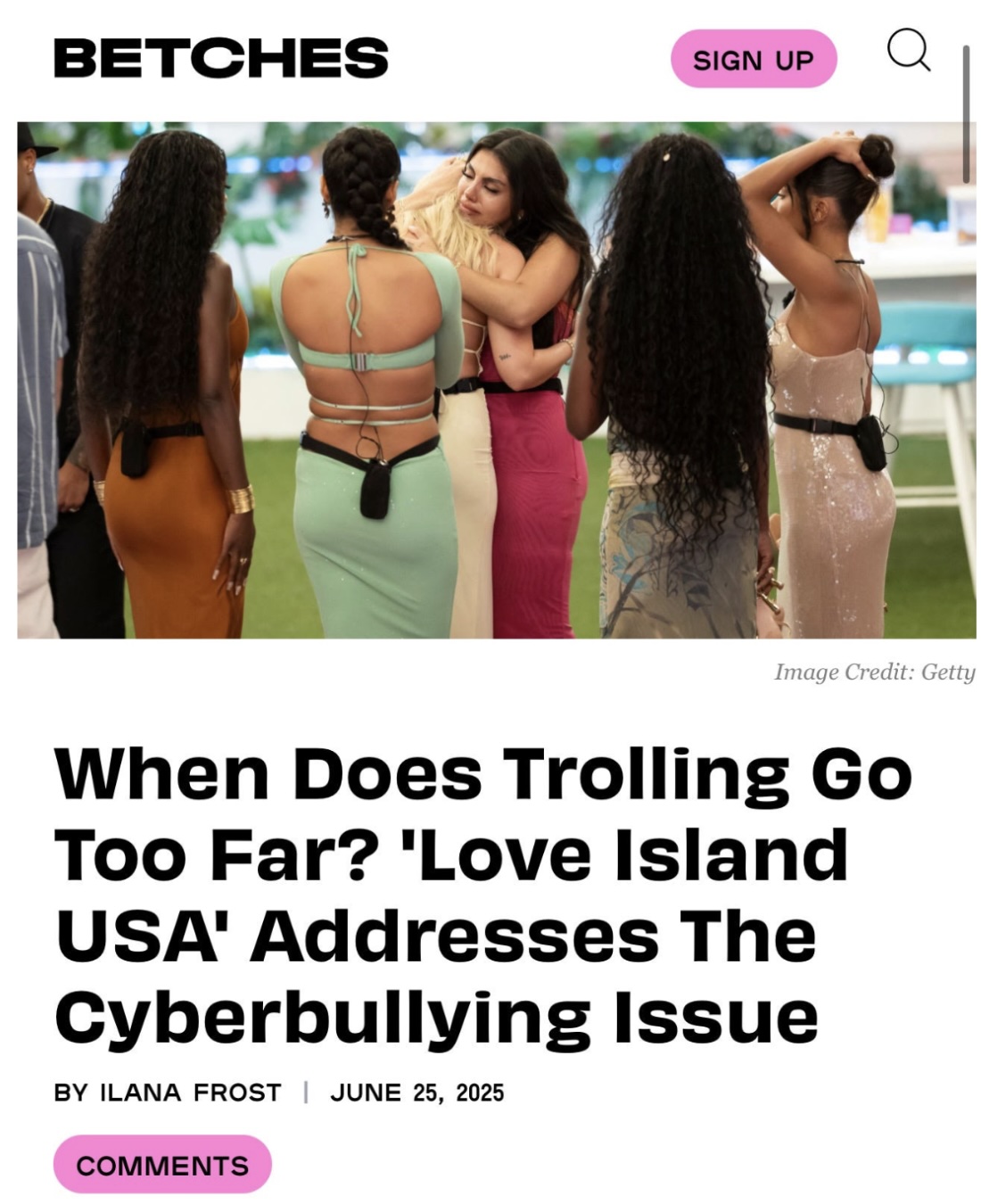
Some of the biggest Love Island moments don't happen in the villa.
They happen online.
A contestant can be loved one week and criticize the next after a clip goes viral or a new narrative emerges on Tiktok or Instagram.
This reflects social proof and group think, where people look to others when forming opinions. If everyone seems to love a contestant or couple, support often grows. If criticism gains momentum, public opinion can quickly shift in the opposite direction.
From a marketing perspective, popularity becomes self reinforcing. Social media doesn't just react to the show, it actively influences how viewers interpret it.
Conclusion
Love island succeeds because it combines participation, community, and emotional investment.
Viewers don't just watch the show. They vote on it, discuss it, and help shape it.
The same mechanisms driving Love Island also power TikTok, reddit, and creator communities. The biggest lesson is simple, modern audiences don't just want content.
They want a voice in it.