

Intro
The “Sephora Kids” trend turned growing up into something kids could buy.
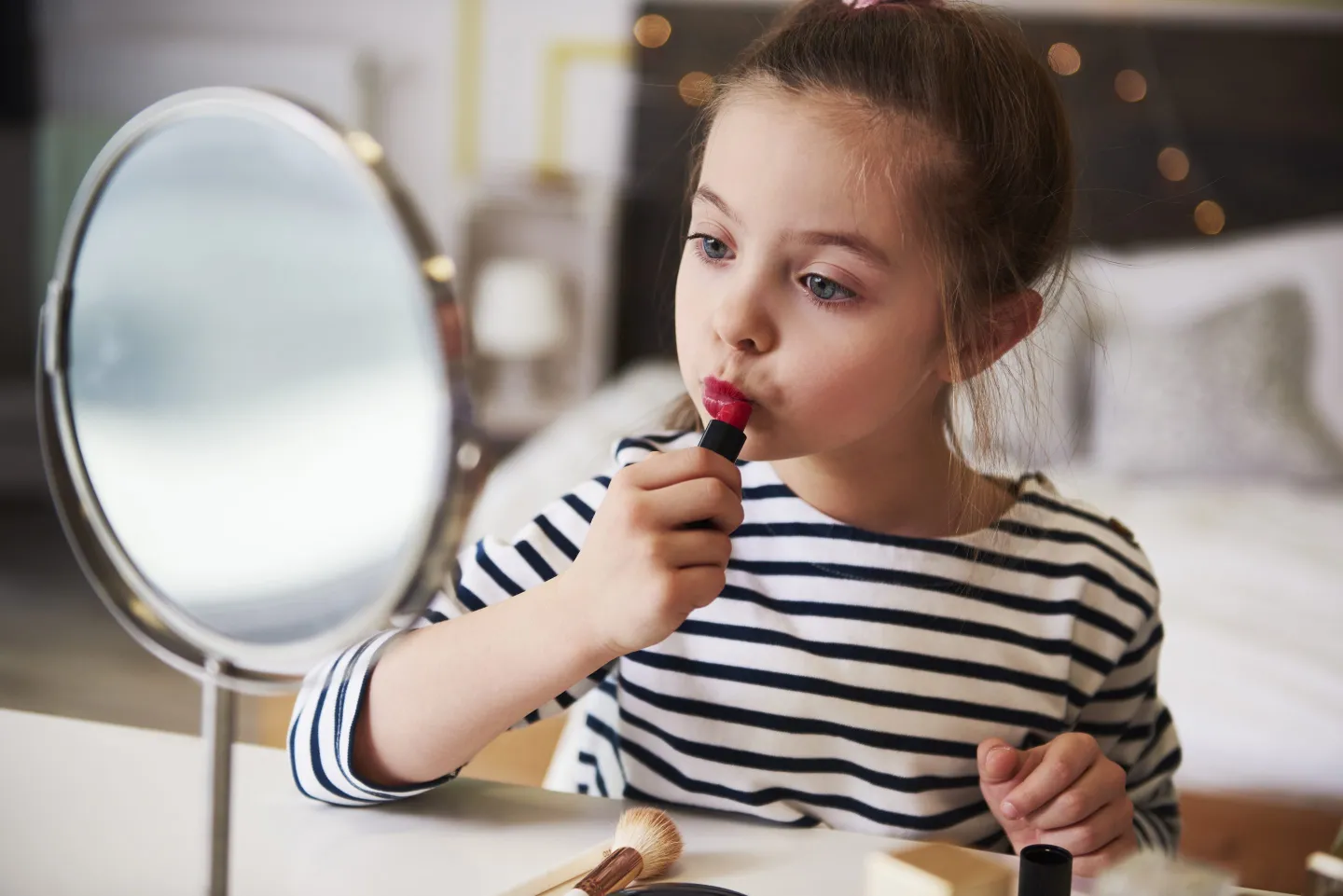
Its rise was fueled by skincare becoming a status symbol, TikTok turning adulthood into an aesthetic, and beauty brands marketing products that make kids want to act older.
Skincare became a status symbol
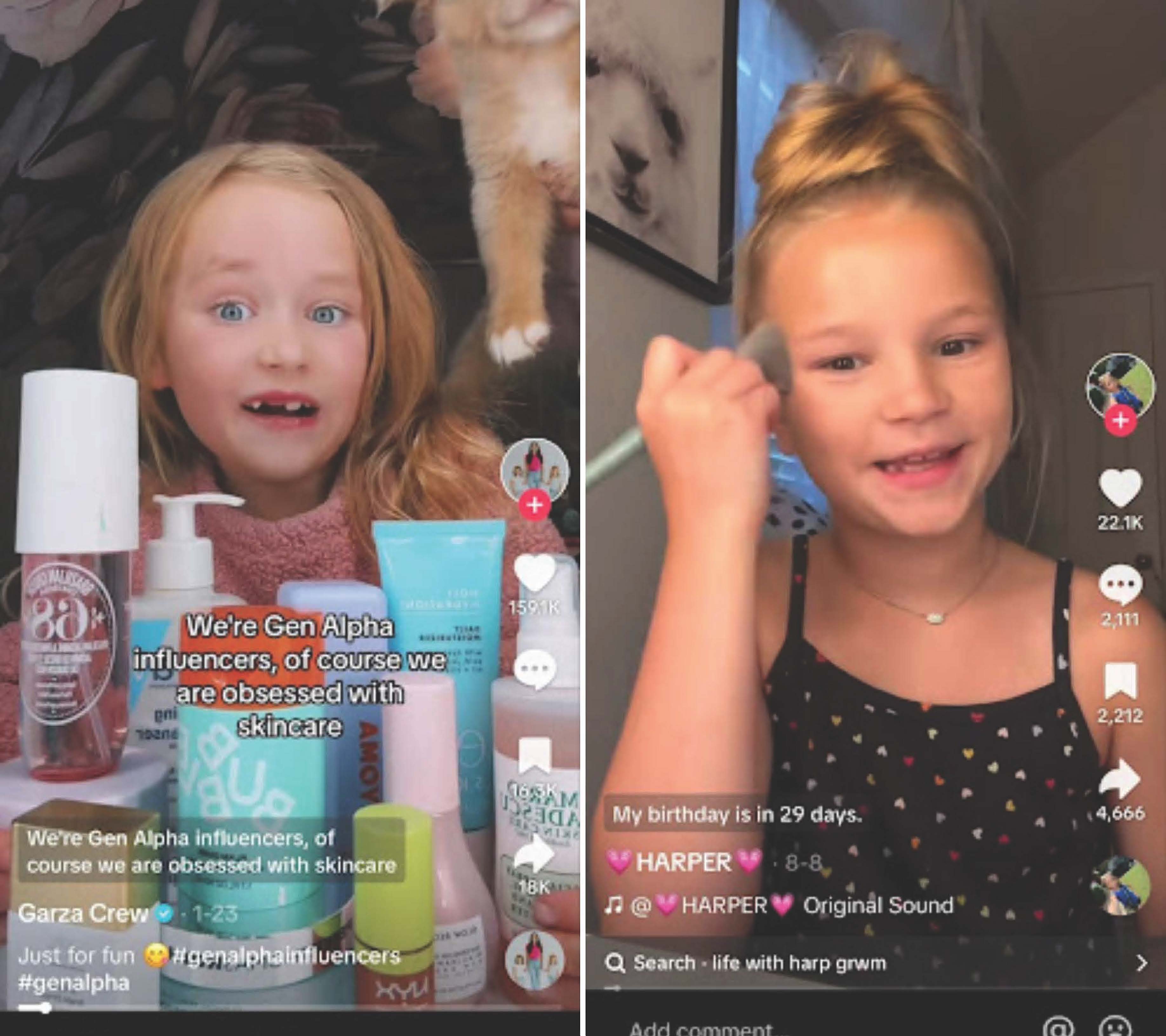
Walk into a Sephora on a weekend afternoon and you’ll probably see a group of middle schoolers huddled up in an intimidating group around the Drunk Elephant section or some other expensive product.
One is holding bronzing drops, the others comparing skin barrier and retinol serums as if her preteen skin needs that. Another girl is behind them filming a TikTok on her IPhone 17.
A few years ago status symbols were cool shoes or the newest phone. Now, they’re skincare and makeup products.
As “Get Ready With Me” videos flooded TikTok, products ended up becoming more than just products. They became symbols of beauty, success, maturity, and popularity.
This connects to social learning theory. Which means kids naturally copy behaviors they see rewarded. When popular influencers get rewarded to praised for their routines, kids want to copy them.
TikTok turned adulthood into an aesthetic
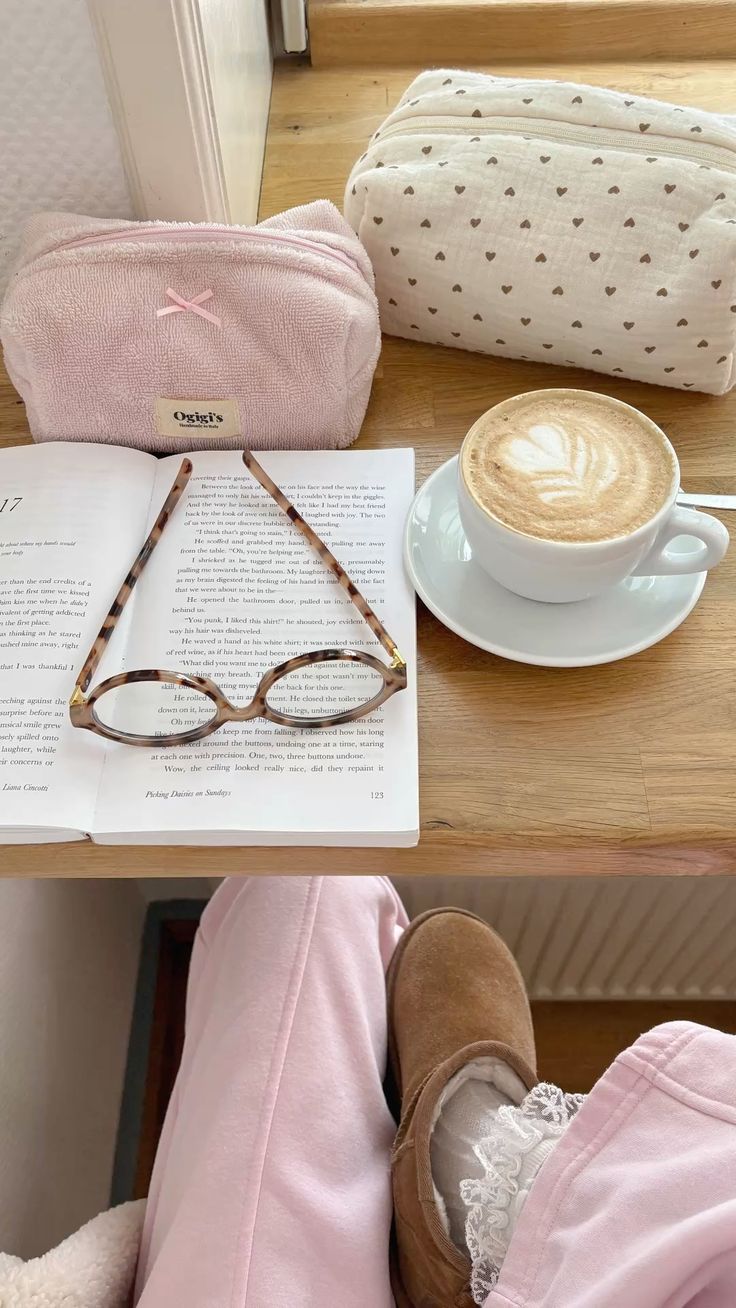
A creator wake up at 5am, throws on a matching set, applies her 20 step skincare and makeup routine, journals, and picks up a latte on her drive to Pilates.
Millions of people watch videos like these multiple times a day. For younger audiences, adulthood no longer just looks like freedom, it looks aesthetic.
The routines, the products, and the lifestyle all become something kids need and aspire to have.
This taps into social comparison theory. Constant exposure to a picture perfect lifestyle can make viewers feel like they’re behind and need to live that same way.
Brand market their products to kids
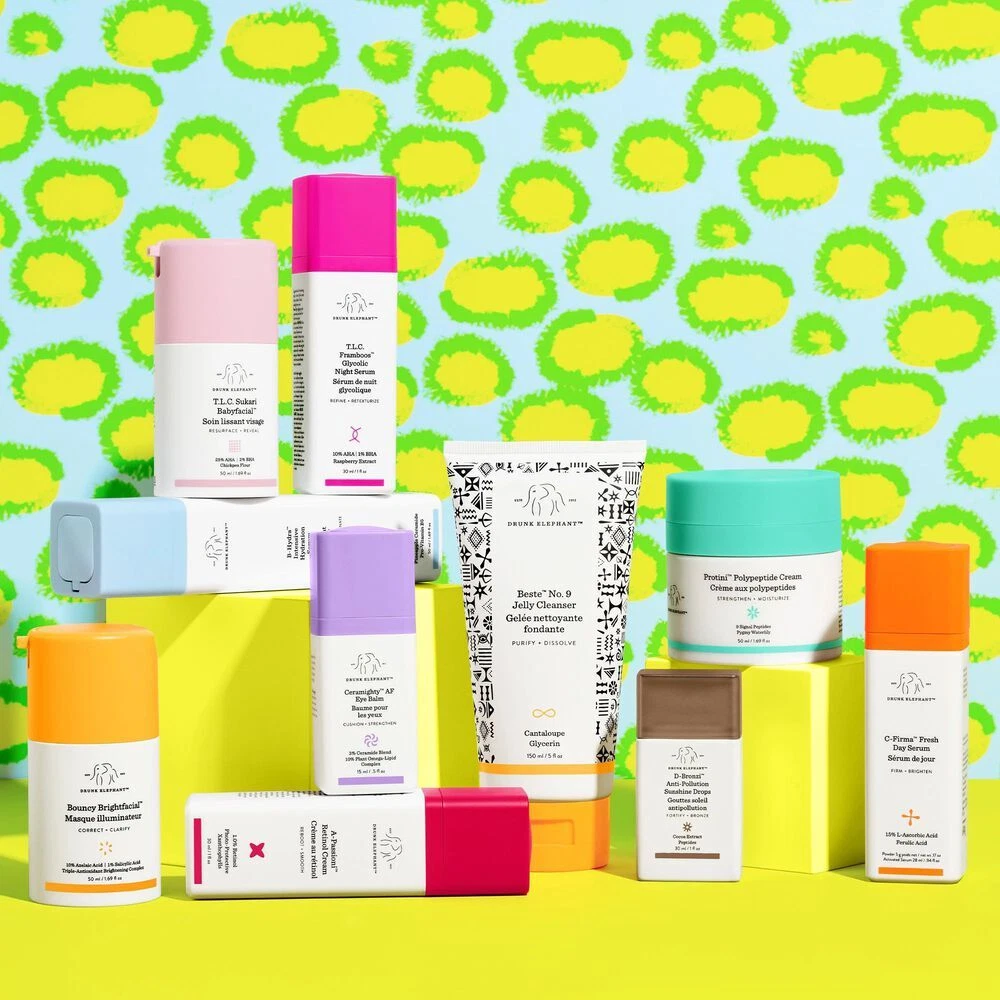
A girl posts a TikTok showing off her new skincare haul. The comments are flooded with comments, not just from adults, but also from kids saying they’re adding these products to their Christmas list.
While many beauty brands say their products are intended for adults, their marketing often attracts teens, pre teens, and even younger.
Bright packages, trendy TikTok videos, influencer partnerships. Everything that draws in young audiences.
All these popular products are easy to share, and even easier to want. And once a product becomes popular online… it’s not just a product, it’s a need.
This connects to the psychological concept, social proof. People, especially kids, are more likely to want something when they see other people using it.
From a marketing perspective, brands benefit when products become trends rather than just beauty products. The more a product appears in hauls, get ready with me’s, and influencer partnerships, the more younger kids are going to want that product.
Conclusion
The Sephora Kids trend isn’t really about skincare.
It’s about what happens when social media makes adulthood look desirable, brands connect products to identity, and kids are exposed to both every day.
Growing up has always been appealing. What’s changed is that now there’s an expensive shopping list attached to it.