


Intro
Modern apps don't compete for your money, they compete for your attention. To win this battle many companies have adopted the same psychological techniques that make gambling addictive.
Their success is fueled by unpredictable rewards, streaks that make users afraid to stop, and digital experiences designed to keep people scrolling, spending, and coming back for more.
Every swipe is a gamble

Most people think gambling happens in casinos only. But every time you open TikTok you're participating in a similar psychological system.
You watch one video. Then another. Then another. Most are forgettable. But every once in a while you find one that's hilarious, shocking, or so interesting that you immediately send it to a friend.
That moment is what keeps people scrolling.
This addiction is based on the slot machine principle, identified by psychologist BF Skinner. Skinner discovered that people work harder when rewards are delivered unpredictably rather than on a fixed schedule. Casinos use this system in slot machines because players never know when the next win is coming.
Tiktok's infinite scroll uses a similar variable rewards system. Users don't know what video will appear next, which creates anticipation and encourages them to continue swiping. From a marketing perspective, this keeps tension locked onto the platform for longer periods of time. The product isn't necessarily the videos themselves, it's the users attention.
Streaks make quitting feel like losing
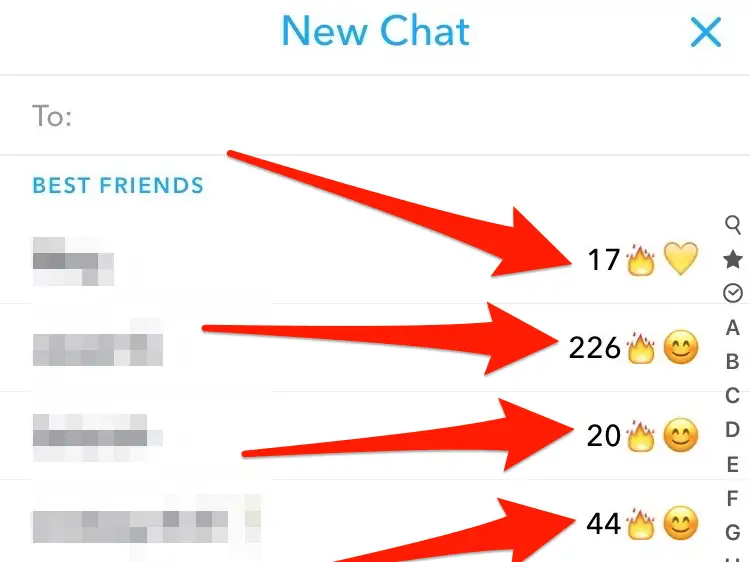
Imagine opening Snapchat and realizing your 1,000 day streak disappeared.
Or opening Duolingo and seeing that your learning streak is gone.
For many users, losing that streak feels worse than the excitement of starting a new one. And that's exactly why streaks work.
This taps into loss aversion, one of the strongest concepts in behavioral psychology. People feel the pain of losing something more intensely than the satisfaction of gaining something.
Apps like Snapchat and Duolingo have successfully turned engagement into something emotional. What researchers call social gambling uses gambling like mechanics inside social products to increase habit formation and retention. Users aren't just returning because they enjoy the app, they are returning because they don't want to lose what they've already built, like a streak. From a marketing standpoint this transforms occasional users into daily users and ensures people will constantly return and engage.
Gambling psychology is everywhere
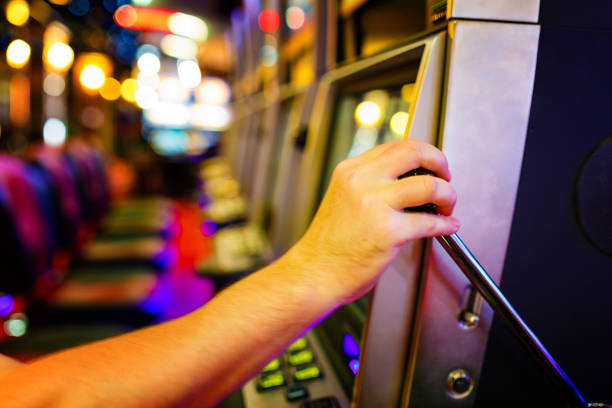
The influence of gambling psychology extends far beyond social media. In games like FIFA,Overwatch, and Geshin Impact, players can spend money on loot boxes without knowing exactly what they'll receive. Blind box collectibles such as the recently popular Labubu figures operate similarly. Buyers continue purchasing in hopes of getting a rare item.
Sports betting apps have also adopted these strategies. Promotions often make spending feel less risky by emphasizing what users can save rather than what they might lose.
Although these products look different, they rely on the same psychological principal…uncertainty
Researchers have repeatedly compared loot boxes to slot machines because both depend on variable rewards to drive engagement.The anticipation of a possible reward keeps people invested, even when the outcome is uncertain.
Modern companies aren't competing for purchases. They're competing for attention, engagement, and time. By applying psychological principles that casinos have used for decades, businesses have found new ways to keep consumers scrolling, playing, posting, and spending.
Conclusion
The most valuable product in modern business isn't the content or product itself, it's attention.
Many of today's fastest growing apps have discovered that the same psychological principles that kept people sitting at slot machines for decades can also keep people scrolling through TikTok, maintaining Snapchat streaks ,buying things and placing sports bats.
The casino didn't disappear.
It just became digital.