


Intro
Many of the most successful marketing campaigns work because they exploit psychological biases, creating a tension between what is effective marketing and what is ethical marketing. The question facing modern brands is not whether to use psychology, but where to draw the line between influence and manipulation.
Most people can remember a memorable advertisement. Maybe it's Mountain Dew's bizarre Puppy Monkey Baby commercial. Maybe it's Apple's famous 1984 Super Bowl ad. Great marketing sticks because it taps into emotion and psychology.
The problem is that the same psychological tools that make marketing effective can also make it ethically questionable.
Scarcity: Selling a Product or Selling Anxiety?

One of the oldest tricks in marketing is also one of the most effective.
"Only 2 left in stock."
"Limited edition!"
"Offer ends tonight!"
Consumers naturally place more value on things that appear scarce, that fundamental understanding by brands is what makes his method so effective. Few brands understood this better than Supreme. For years, the company built its identity around limited product releases that regularly attracted overnight lines and fueled a massive resale market.
From a marketing perspective, scarcity works because it creates fear of missing out. Consumers stop evaluating whether they want a product and begin worrying about losing access to it.
The ethical question emerges when scarcity is no longer real. If inventory is genuinely limited, scarcity communicates useful information. If scarcity is artificially manufactured to create anxiety, the tactic begins to feel manipulative.
The psychology remains identical, but the intent behind it changes.
The Problem With Marketing to People Who Can't Recognize Marketing
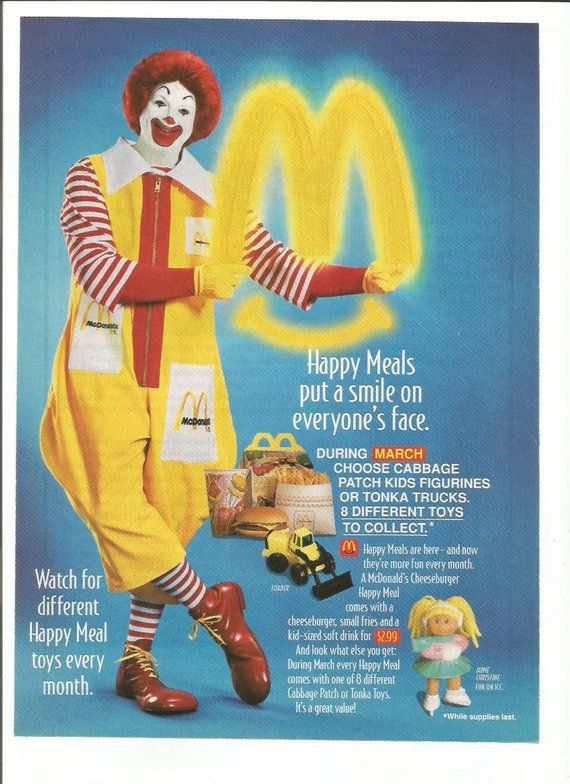
Ethics in marketing become even more complicated when the audience is vulnerable. For decades, McDonald's used toys, mascots, and games to make Happy Meals appealing to children. The strategy was incredibly successful, even though children were not the people actually making purchasing decisions.
Research from the American Psychological Association has consistently found that younger children have a weaker ability to recognize persuasive intent in advertising. They often struggle to distinguish between entertainment and marketing.
The less capable someone is of recognizing persuasion, the greater the responsibility marketers have when attempting to influence them. A campaign that might be acceptable for adults can become far more controversial when directed at children.
The issue is not whether the marketing works. The issue is whether the audience fully understands what is happening.
When Products Start Acting Like Casinos
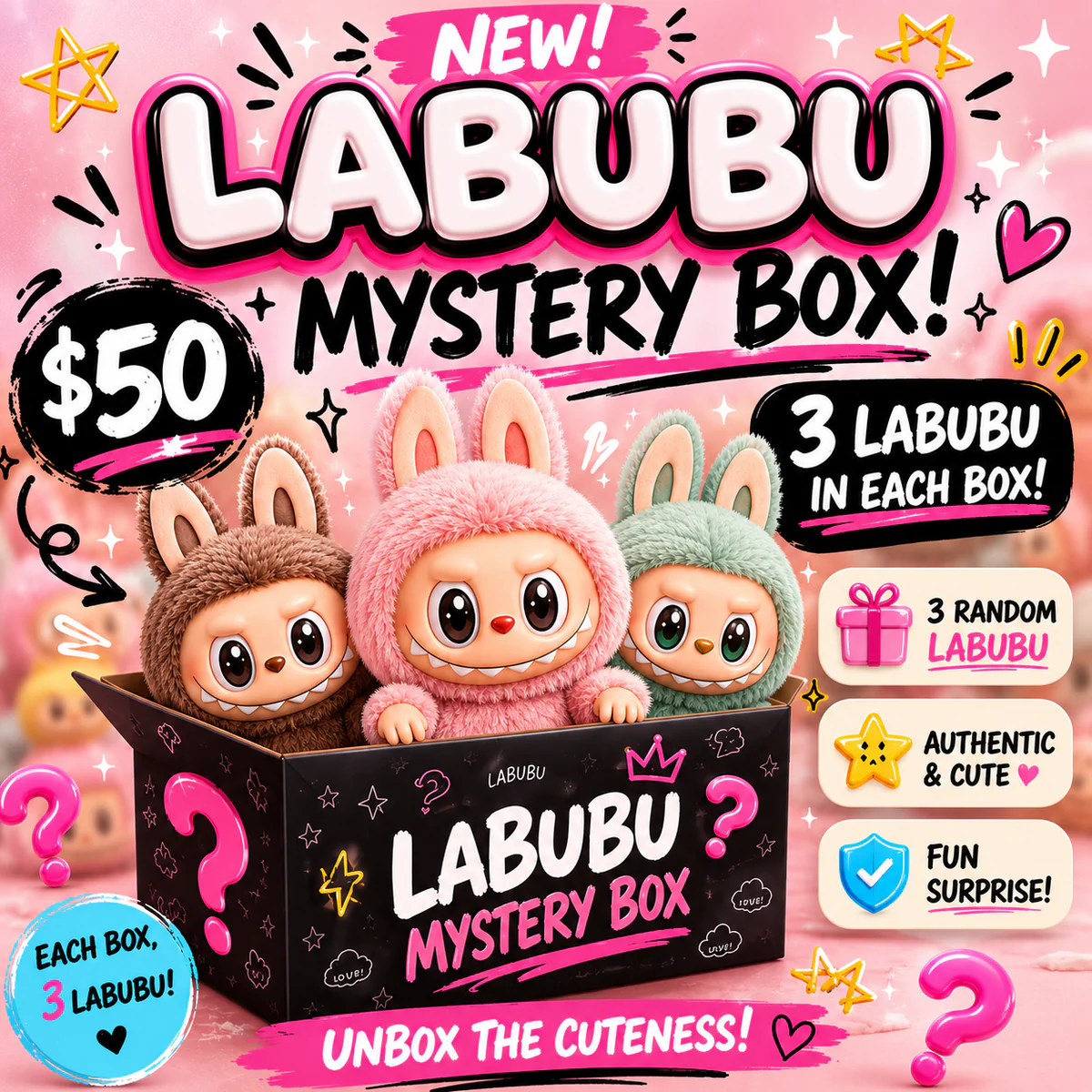
Some of today's most profitable products do not just sell items, they sell anticipation. Video games such as Madden Ultimate Team and Genshin Impact generate billions through loot box systems that reward players with randomized items. More recently, Labubu collectibles exploded in popularity through blind box purchases where customers do not know which figure they will receive until after opening the package.
Researchers have frequently compared these systems to gambling because both rely on variable reward schedules. The uncertainty becomes part of the appeal.
The same psychological principle powers casinos, sports betting apps, social media feeds, and many modern gaming systems.
From a marketing perspective, unpredictability increases engagement. From an ethical perspective, it raises questions about whether companies are selling products or leveraging behavioral psychology to encourage repeated spending.
When Trust Becomes the Product

There are not many marketing tools that are more powerful than trust. Influencer marketing works because audiences often feel personally connected to creators they follow. Recommendations from influencers feel less like advertisements and more like advice from a friend.
The Fyre Festival remains one of the most famous examples. Influencers promoted luxury experiences, exclusive access, and a dream lifestyle long before the event was ready to deliver on those promises. Thousands of consumers bought into the image.
The same concern appeared during various cryptocurrency promotions where influencers encouraged investments in projects that later collapsed.
Marketing has always depended on credibility. The challenge is that trust takes years to build and only moments to exploit.
Takeaways
The most effective marketing campaigns often succeed because they understand human psychology.
Scarcity creates urgency. Random rewards create anticipation. Influencers create trust. Emotional storytelling creates connection.
None of these tools are inherently unethical.
The real challenge is deciding how they are used.
The brands that succeed long-term are rarely the ones that maximize short-term conversions at any cost. They are the ones that recognize consumer trust as their most valuable asset. In a world where companies have more psychological insight into consumers than ever before, the line between influence and manipulation may be one of the most important questions in modern marketing.