


Fashion as Public Judgment
Jeans? At the Met Gala? Groundbreaking.
Every year, the Met Gala becomes the internet’s Super Bowl for fashion. Timelines fill with celebrity photos, outfit rankings, memes, and debates over who understood the assignment and who missed entirely.
But despite how big it feels online, a lot of people don’t actually know what it is.
At its core, it’s a fundraiser for the Costume Institute at the Metropolitan Museum of Art. It blends celebrity culture, fashion, art, and luxury branding into one highly produced cultural moment. Designers build looks around a yearly theme, celebrities wear them on the carpet, and the internet turns the whole night into a global live reaction stream.
That’s also why brands and celebrities care so much.
The Met Gala is one of the most powerful marketing tools in entertainment. An invite signals cultural relevance, and a viral look can dominate online conversation for days. Even people who don’t follow fashion still end up participating because the event is designed to generate attention.
Plus, the outfits aren’t just personal style choices. Most celebrities don’t fully pick their looks alone; designers, stylists, and fashion houses heavily shape them, so each appearance is essentially a coordinated branding moment.
Fashion as Art (and Content)
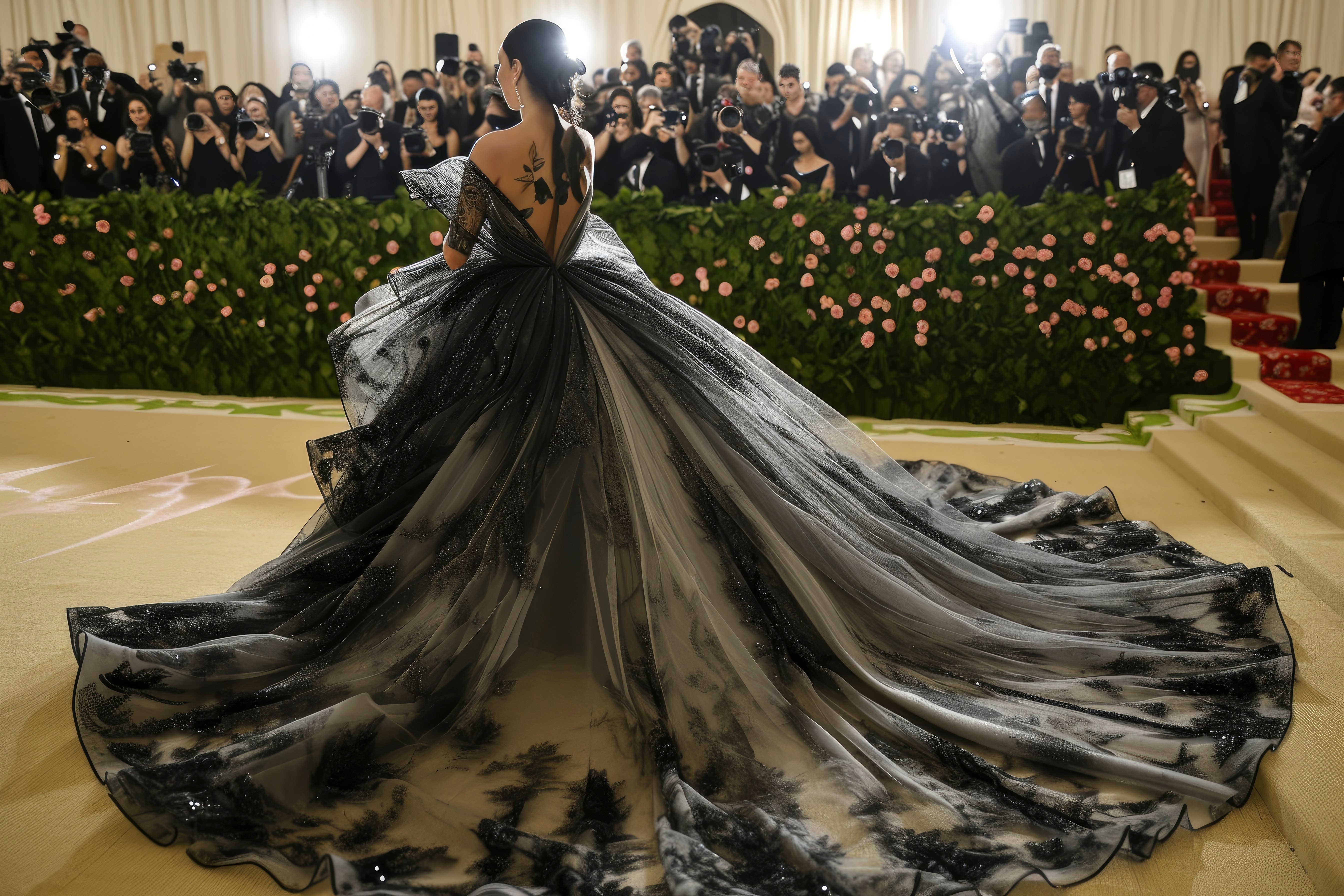
The 2026 theme centered on fashion as art, and the carpet fully committed to the bit (for the most part).
Many looks felt more like sculptures or museum pieces than traditional red carpet outfits. Exaggerated silhouettes, metallic structures, and conceptual designs turned the body itself into part of the artwork.
That’s the goal every year: to turn celebrity appearances into cultural moments big enough to take over the internet.
When the Conversation Moves Beyond Fashion
At first, the discourse was familiar: best dressed lists, memes, and debates over which looks were iconic versus confusing.
Then it shifted.
The conversation expanded toward wealth, influence, and who actually gets to shape culture. Mentions of figures like Jeff Bezos and Lauren Sánchez pushed attention away from outfits and toward power, access, and optics.
Suddenly, the questions weren’t just “who wore what,” but: Who funds this? Who gets invited? And how much cultural relevance can money influence?
Museums and cultural institutions have always relied on wealthy donors, but audiences today interpret those relationships differently. What once read as philanthropy is now often viewed through branding, PR, and reputation strategy.
Why We’re So Hooked on It
From a media psychology perspective, the Met Gala works because it combines almost everything the internet is already primed to engage with: celebrity, exclusivity, status, beauty, wealth, competition, and spectacle. It’s engineered for attention.
Humans are naturally drawn to visual extremes. The brain prioritizes novelty and exaggeration, so sculptural gowns and surreal outfits stand out instantly in a feed. They interrupt scrolling because they feel larger than everyday life.
But people don’t just respond to the outfits; they respond to what they signal. At the Met Gala, fashion becomes symbolic. Audiences project meaning onto status, creativity, authenticity, taste, or power, and that’s why reactions become so intense.
Social media also amplifies this. Algorithms reward emotional responses, especially strong opinions. Praise spreads, but criticism often spreads faster. A controversial look generates memes, debates, and discourse loops that keep the event trending longer. Even negative reactions become part of the entertainment cycle.
At the same time, audiences today don’t consume celebrity culture passively. As media literacy has grown, people have started looking beyond the glamour itself, paying attention to sponsors, guest lists, labor conversations, brand partnerships, and the business side behind these events.
In short, the internet doesn’t just watch celebrity culture anymore; it looks for what’s behind the curtain.
The Bigger Picture
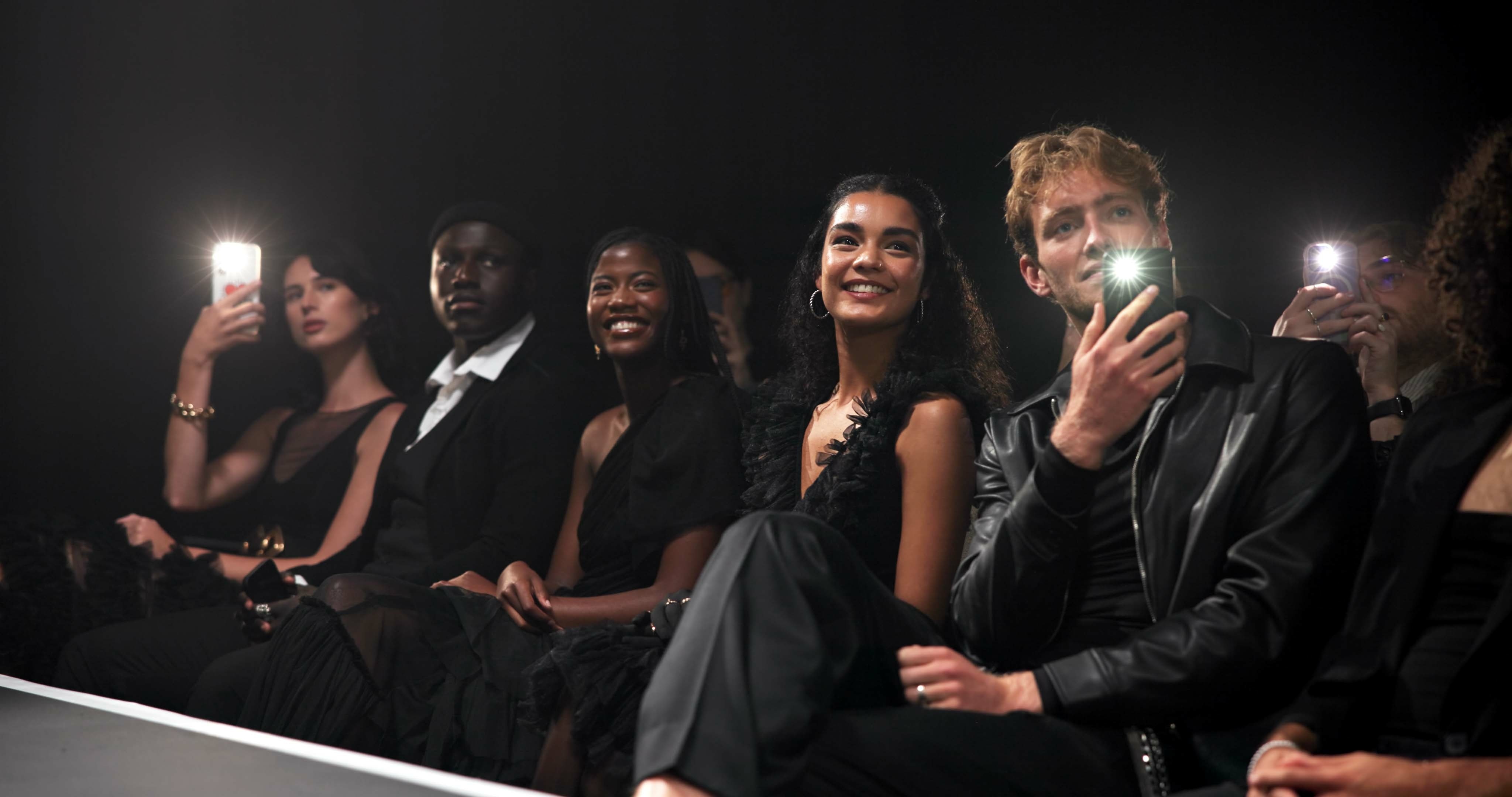
The most interesting part of the 2026 Met Gala wasn’t any single look, but how quickly the conversation moved from fashion to power.
It showed that fashion can absolutely function as art. But it also made something else clear: cultural relevance today is tightly tied to visibility, wealth, and access.
And that’s why the Met Gala still dominates every year. On the surface, it’s fashion entertainment. Underneath it, it’s a reflection of how the internet now engages with everything: who gets seen, who gets access, and who gets to shape culture itself.