

The Recap Is Not The Product
Spotify Wrapped is technically a year-end recap, but that description undersells why people care about it so much.
The stronger play is that Spotify takes private behavior, cleans it up, packages it in bright colors, and hands it back as a personality report. Not “here is what you listened to.” More like, “here is the kind of person your listening habits suggest you might be.”
Which is much more postable.
Most platforms have user data, but Spotify’s advantage is that its data feels emotional rather than purely technical. Music is already tied to moods, phases, memories, and identity, so when Spotify reflects that behavior back to users, it feels less like analytics and more like a character study with better graphic design.
Spotify Made Data Socially Useful
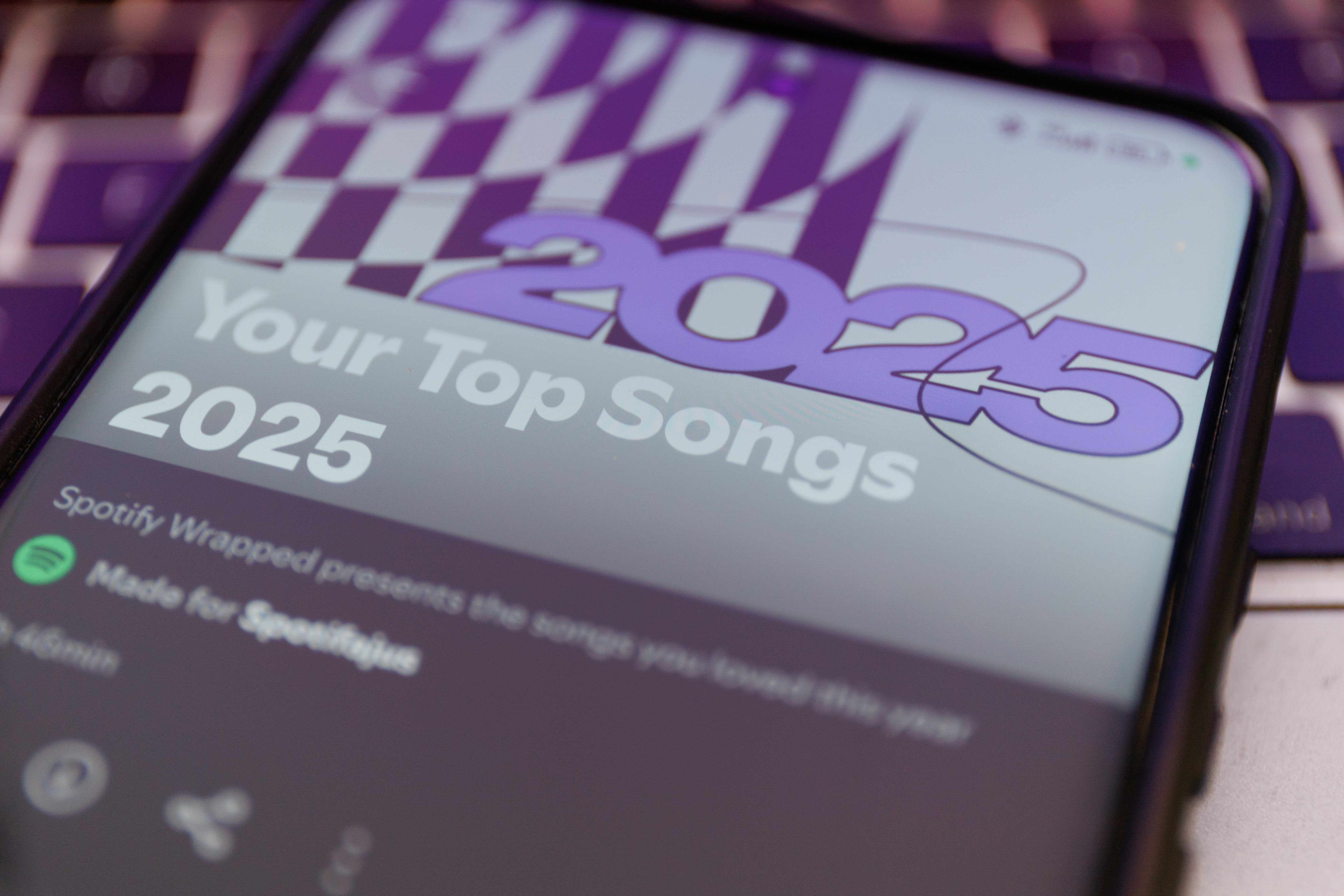
The smartest part of Wrapped is that it gives people a way to say something about themselves without having to write the sentence themselves.
Posting your Wrapped is not only “I listened to this.” It can also mean “I have taste,” “I had a phase,” “I am niche,” “I am emotionally unwell but in a curated way,” or “I need everyone to know I discovered this artist before they got annoying.”
Spotify packages all of that into a format that feels personal, but not too personal. It is revealing enough to invite reactions, but polished enough that people still feel in control of the image they are putting out.
Comparison Is Built Into The Campaign
Wrapped also works because it makes comparison feel natural. Everyone gets the same basic structure, but the results are different enough to feel personal, which creates the perfect setup for people to compare their taste without it feeling like a formal competition.
Of course, it becomes one anyway.
People compare minutes, top artists, listening personalities, weird genre labels, and whether their results make them look cool, basic, chaotic, or like they had a suspiciously difficult March. Spotify does not need to tell people to engage with the campaign because the format already gives them something to react to.
The Real Strategy Is Ritual

Wrapped has also become more than a campaign because people expect it every year. They talk about it before it drops, post it when it arrives, compare results, complain about the algorithm, and still participate even when they claim they do not care.
That is the kind of brand habit companies usually have to beg for. Spotify turned an internal analytics feature into an annual cultural ritual, which is much harder to copy than the visual style of the campaign.
The design can be imitated. The behavior is the real advantage.
Why It Works
Spotify Wrapped succeeds because it understands that people do not just want personalization. They want personalization that gives them something to perform.
The campaign turns listening history into identity, identity into content, and content into free distribution. It makes users feel like the main character of their own data set, then lets them advertise Spotify while pretending they are just posting about themselves.
Annoyingly smart, which is usually how the best marketing works.