


The Airline Everyone Loved to Hate
Social media turned delayed flights, cramped seats, and baggage fees into a breeding ground for internet ridicule. Luckily for Spirit, this trend may be working in the company's favor. For years, flying with Spirit Airlines has left many consumers extremely dissatisfied with their flights. From TikToks to YouTube, consumers have shared thousands of videos documenting instances of canceled flights, cramped seating, and poor customer service.
Suddenly, people who spent years clowning Spirit Airlines started realizing what the airline actually represented in the travel industry. Spirit became one of the clearest examples of how negative publicity can still create brand power, cultural relevance, and customer loyalty.
Spirit Turned Complaints Into Free Marketing
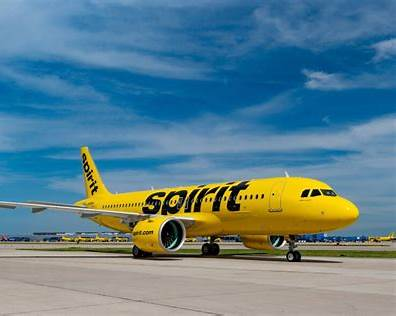
Spirit’s entire online identity was built around people complaining about it. Most companies would see that as a disaster. Spirit accidentally turned it into one of the strongest brand recognition campaigns in the airline industry.
The bright yellow planes became instantly recognizable online. Even people who had never flown Spirit knew exactly what the brand represented: cheap tickets, extra fees, and the possibility of a delayed flight.
Research on meme virality from arXiv found that emotionally charged content spreads faster and holds attention longer online. Spirit’s reputation, combined with consumer attitudes have indirectly made Spirit a staple of airline travel. (arXiv meme virality research)
The marketing lesson is simple: attention matters much more than quality online. Spirit became the airline version of hate-watching reality TV. People complained constantly while still buying tickets because the brand stayed culturally relevant.
The Shutdown Changed the Internet’s Tone Overnight
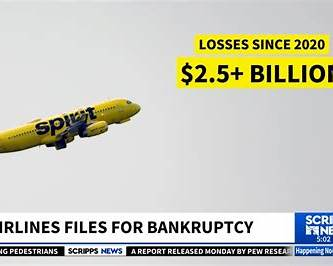
Reports surfaced that Spirit could shut down operations after financial struggles and failed restructuring attempts. News outlets reported the airline was running out of options after multiple bankruptcy filings and rising fuel costs. (Georgia Public Broadcasting)
Conversations online suddenly stopped making jokes and started talking about affordability. Reddit threads filled with users explaining that Spirit was the only airline they could realistically afford for vacations, family visits, or emergency travel. (Reddit)
Consumers have been unknowingly building emotional attachments to Spirit, and in its absence, the reality of the airline economy came crashing down as well. Spirit was uncomfortable, stressful, and constantly mocked, but it still gave millions of travelers a way to fly cheaply.
Spirit’s Collapse Exposed a Bigger Travel Industry Shift
Spirit’s shutdown also highlighted where the airline industry is heading. Major airlines increasingly focus on premium seating, luxury experiences, and high-spending travelers because those customers generate larger profit margins.
Without ultra-budget airlines pressuring competitors to keep prices low, airfare across the industry can rise quickly. Multiple reports warned that Spirit's disappearance could reduce affordable options for travelers nationwide. (Los Angeles Times)
That especially impacts younger travelers, students, and working-class families who rely on budget airlines to travel at all.
Spirit’s biggest marketing success was never comfort or customer service. It was accessibility. People tolerated the lackluster quality because the prices made travel possible.
Spirit Airlines spent years as one of the internet’s favorite punchlines. Ironically, the nonstop criticism helped turn the company into one of the most recognizable airline brands in America. Every meme, complaint, and viral TikTok kept Spirit relevant.
The internet laughed at Spirit for years, but the moment it looked like the airline might disappear, people realized what they were actually losing. Behind all the jokes was a company that made travel accessible for people who otherwise might not have been able to afford it.
The brand survived off negative attention for years, then earned genuine appreciation only when people thought it was gone.