


Intro
Companies are increasingly discovering that staying out of politics is a political decision of its own. The question is no longer whether brands should take political stances, but whether doing so helps or hurts their relationship with consumers.
For decades, brands tried to appeal to everyone. Today, many companies are choosing sides on social issues, betting that a stronger connection with some consumers outweighs the risk of alienating others. Nike, Ben & Jerry’s, and Chick-fil-A have each taken very different approaches, but together they reveal a larger marketing truth: brand activism works best when it aligns with what consumers already believe the brand stands for.
Nike Turned a Controversy Into a Brand Statement
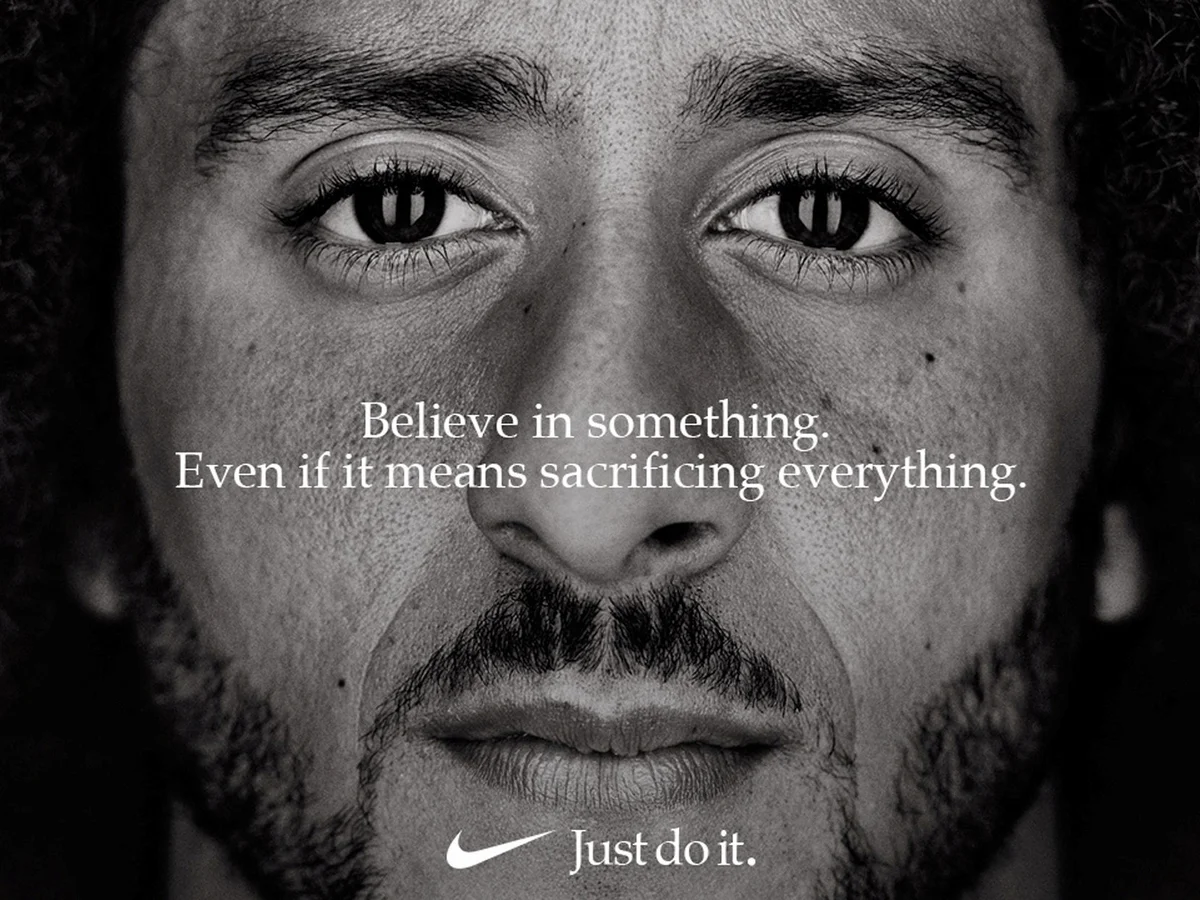
Nike is no stranger when it comes to making bold stances and social political issues. In 2018, Nike made former NFL quarterback Colin Kaepernick the face of its “Believe in Something” campaign. The decision immediately sparked backlash. Critics posted videos burning Nike products, while supporters praised the company for taking a stand on racial justice.
Yet the controversy generated enormous attention. Nike’s online sales jumped 31% in the days following the campaign, and the company saw increases in engagement and brand visibility.
The marketing lesson was not that controversy automatically sells. Building the brand's foundation on breaking down the unspoken norms of society, Nike understood its audience. The company knew younger consumers increasingly expected brands to stand for something larger than products.
Ben & Jerry’s Built Activism Into the Brand
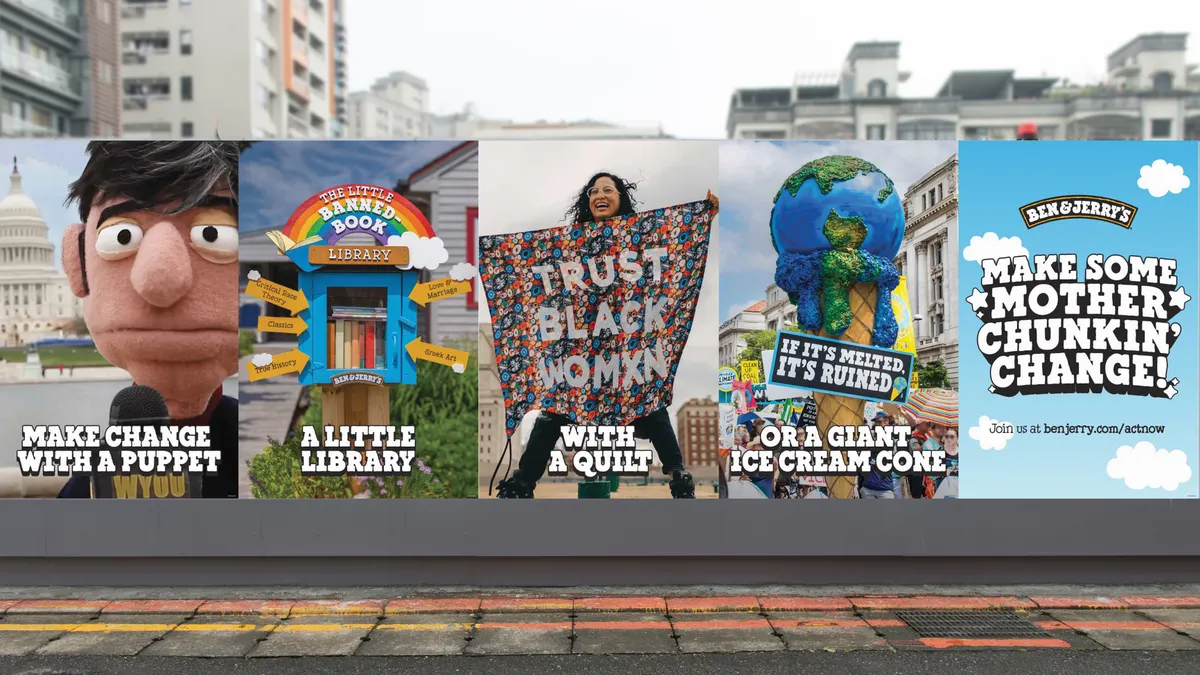
Ben & Jerry’s has also spent decades tying its brand to issues such as climate change, racial justice, voting rights, and economic equality. Activism is so central to the company’s identity that it openly describes social advocacy as part of its mission. That consistency matters in setting audience expectations and brand loyalty.
Consumers may disagree with Ben & Jerry’s positions, but they rarely seem surprised by them. The activism feels authentic because it aligns with the brand’s history.
From a marketing perspective, authenticity is one of the most valuable assets a company can have. People are more willing to accept a political stance when it feels connected to the brand’s values rather than a temporary publicity strategy.
Chick-fil-A Shows the Risks of Taking a Side
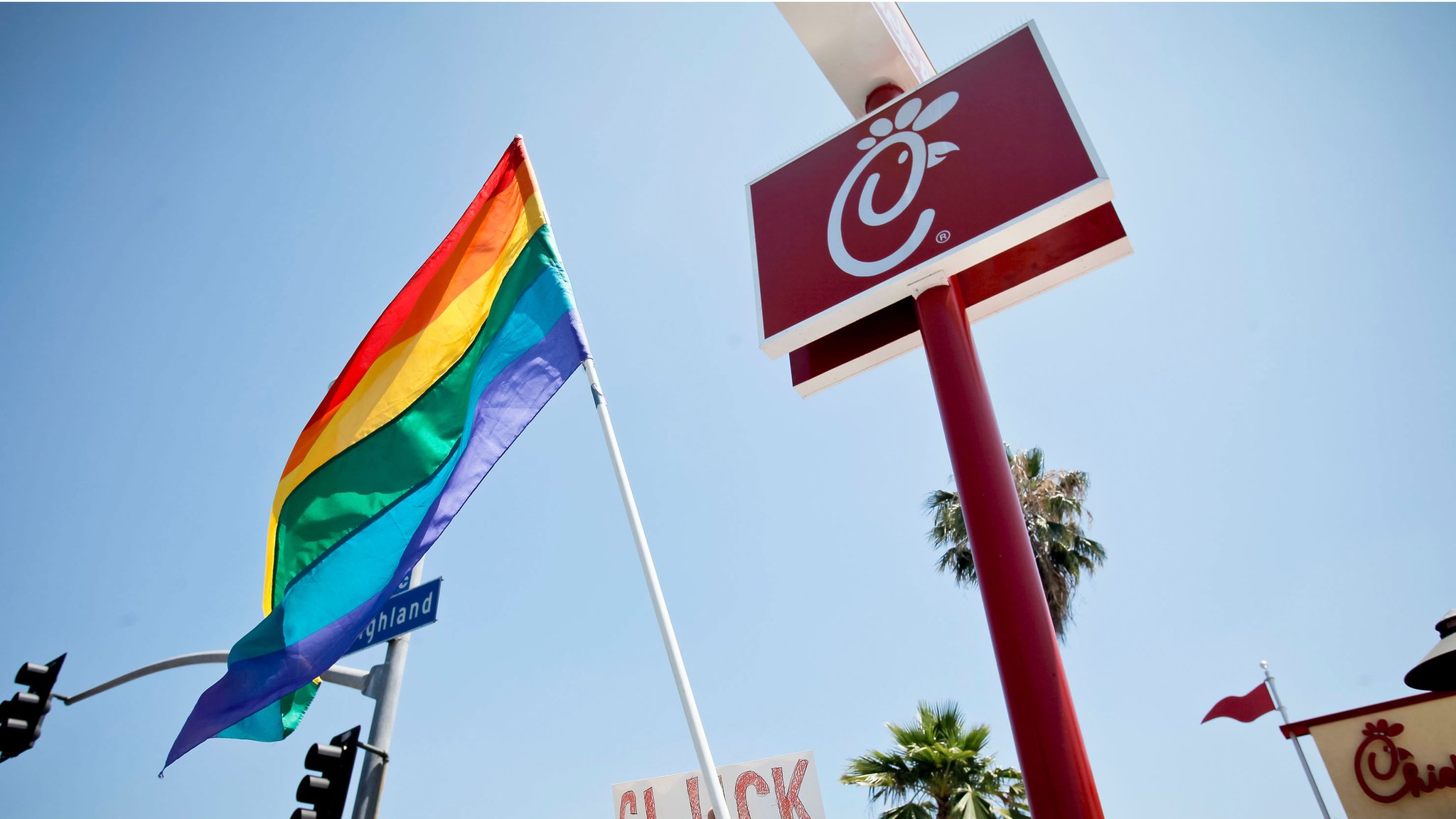
Few companies demonstrate the risks of brand activism better than Chick-fil-A.
For years, the company faced criticism over donations connected to organizations opposed to same-sex marriage. Supporters praised the company for standing by its values, while critics organized boycotts and protests. The controversy eventually became larger than the company’s food.
What makes Chick-fil-A interesting from a marketing perspective is that both supporters and critics became more emotionally invested in the brand. The company’s stance strengthened loyalty among some consumers while pushing others away.
That highlights the central tradeoff of brand activism. Taking a position can deepen relationships with one audience while weakening relationships with another.
Takeaways
Nike, Ben & Jerry’s, and Chick-fil-A reached different outcomes, but they all reveal the same marketing principle. Consumers increasingly expect brands to have values. The challenge is that values create division as often as they create loyalty.
The most successful examples of brand activism are not necessarily the loudest. They are the most consistent. Nike aligned its campaign with its audience. Ben & Jerry’s aligned activism with its identity. Chick-fil-A showed what happens when a company’s values become inseparable from public debate.
For marketers, the real question is not whether a company should take a political stance. It is whether that stance genuinely reflects the brand. Consumers are remarkably good at detecting the difference between conviction and opportunism, and long-term trust depends on getting that distinction right.