

The Overview
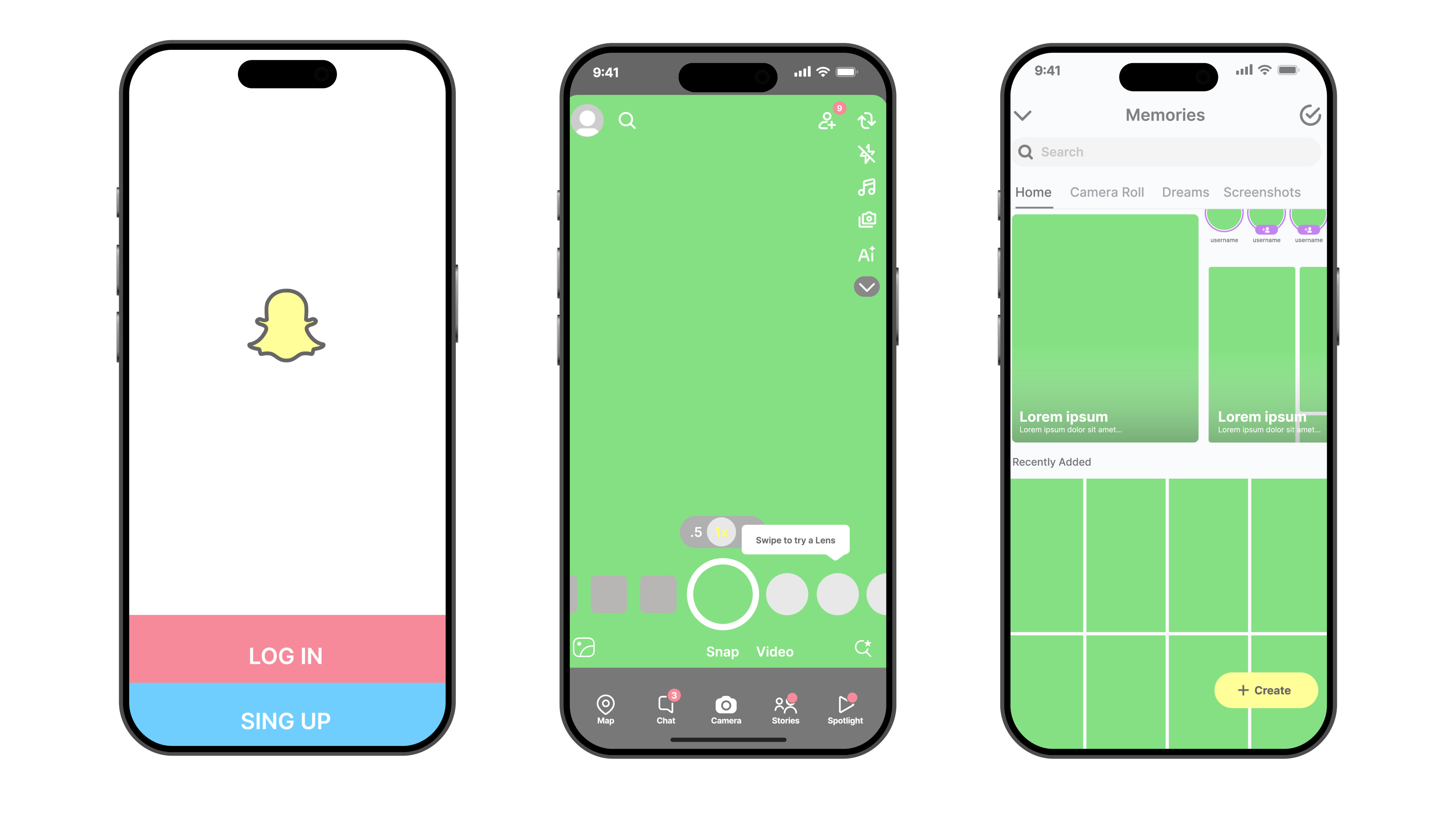
There’s been talk about Snapchat potentially making people pay for access to Memories, and the reaction to that is pretty immediate. Most people think it’s ridiculous.
Because Memories isn’t just another feature. It’s where people have years of photos, videos, and personal content saved. So the idea of suddenly having to pay to access something you’ve been using for free doesn’t feel like a normal update. It feels like something is being taken away.
This Isn’t Just Snapchat
This isn’t specific to Snapchat. You see this pattern across a lot of platforms.
Something starts out free, people get used to it, they build habits around it, and then over time it becomes monetized.
Netflix is probably the clearest example. They’ve raised prices multiple times over the years, and recently a court in Italy ruled that some of those price increases were unlawful because they weren’t clearly justified in user contracts. That opens the door for potential refunds to users, which shows this isn’t just online backlash- there are actual legal limits to how companies can change pricing.
Another example is password sharing. Netflix built its platform for years around the idea that multiple people could use one account, and then later started charging extra for it. Technically, they were allowed to do that, but the reaction was still negative because it felt like the rules changed after people had already gotten used to using it a certain way
Why the Reaction Is Stronger
From a psychological perspective, this comes down to how people experience loss.
When something is free from the beginning and then becomes paid later, people don’t see it as adding a new feature. They see it as losing something they already had.
That creates a stronger reaction than if it had been paid from the start, because people have already built behavior around it.
In the case of Snapchat, people have years of memories stored there. So if access to that becomes tied to payment, it doesn’t feel like a new product- it feels like being charged for something you already own
The Trust Factor
There’s also a trust element.
When people use a platform for something personal- like photos, messages, or saved content- they assume a certain level of consistency. So when that changes, it can feel deceptive, even if the company never explicitly promised it would stay free forever.
That’s usually when you start seeing people say they don’t want to use the platform anymore. Not always because they actually leave, but because the relationship with the platform changes.
It starts to feel less like a tool and more like something trying to extract value from them.
Not Everyone Responds the Same
At the same time, not everyone reacts the same way.
Some people will pay because it’s convenient. Some people will complain but keep using it anyway. And some people will actually leave or start backing up their content somewhere else.
What This Actually Shows
This isn’t just about Snapchat or Netflix. It points to a bigger pattern.
Platforms give people value upfront, people build habits and store parts of their lives there, and then over time, the platform starts monetizing those behaviors.
Once that shift happens, it changes how people see the platform. It’s no longer just about what the platform offers- it’s about whether people feel like they’re being treated fairly, or whether they feel like something is being taken from them