


Intro
Invincible's animation controversy isn't solely about the show's animation. It's about Amazon trying to solve one of streaming's biggest marketing challenges: keeping audiences engaged without making them wait years between seasons.
Since debuting in 2021, Invincible has become one of Amazon Prime Video's biggest original hits. The series built its reputation on shocking violence, emotional storytelling, and comic-accurate characters. Yet as each new season arrives, another conversation grows louder. Fans increasingly believe the show's animation quality has declined, and many think the reason is simple: Amazon is prioritizing faster releases over premium animation.
The Criticism Isn't Coming From a Small Corner of the Fandom
The criticism isn't coming from a small corner of the fandom.
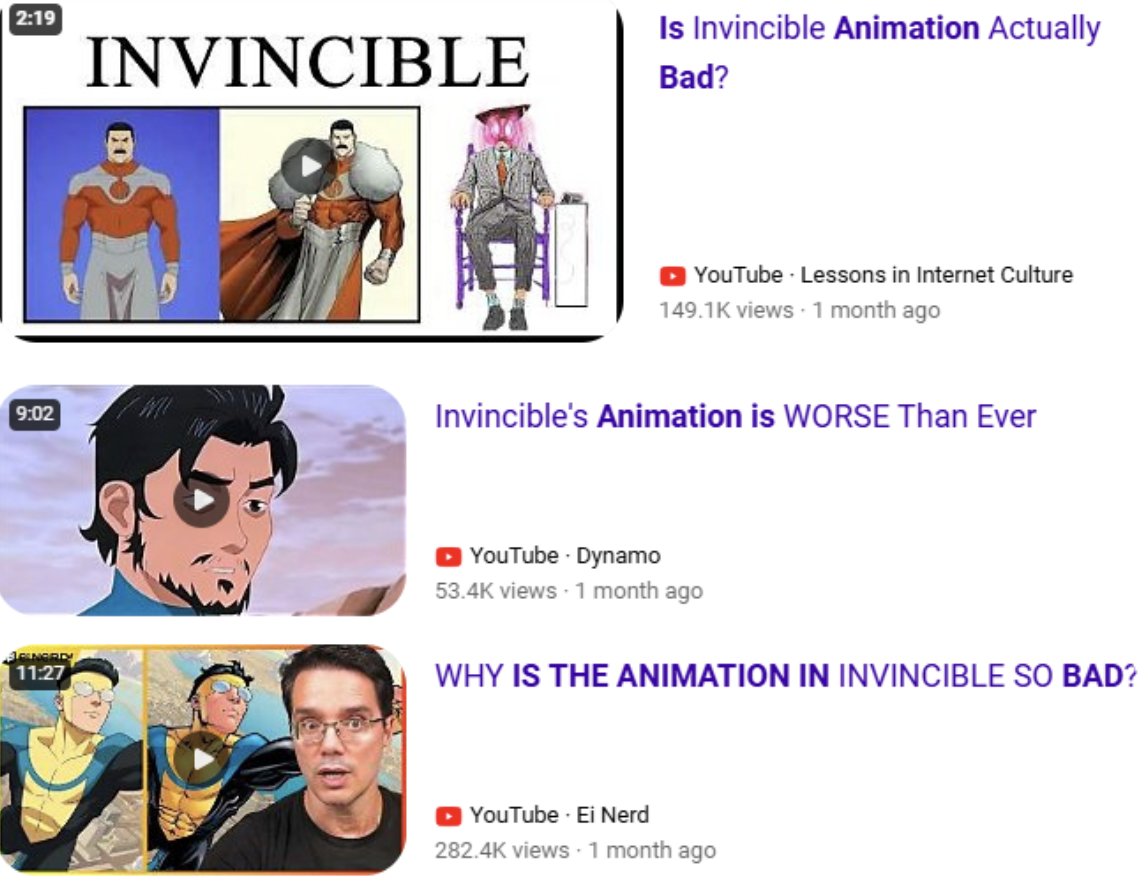
Across Reddit, YouTube, TikTok, and fan forums, viewers regularly compare newer episodes to "moving PNGs" and motion comics. YouTube criticism has become an entire genre of content. Videos such as "Invincible Doesn't Respect Animation" and "Invincible's Animation is WORSE Than Ever" have attracted hundreds of thousands of views, turning animation quality into one of the show's most discussed topics.
What's interesting is that fans aren't debating that the quality of the product is bad. Most agree that the writing, characters, and plot remain excellent. They're debating whether Amazon is delivering the same product they originally fell in love with.
Why the Animation May Be Suffering
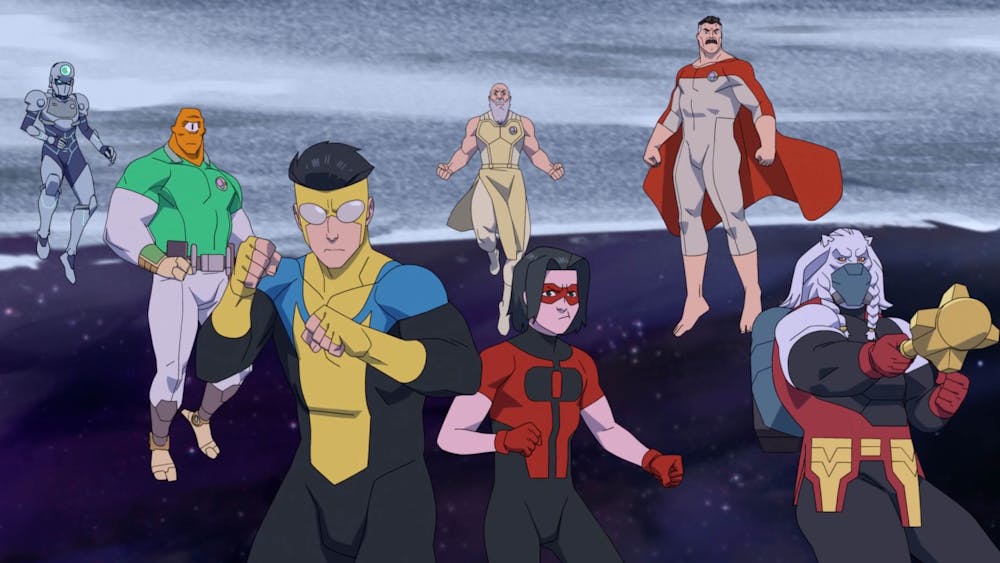
Season 1 spent years in production before audiences ever saw it. Since then, Amazon and creator Robert Kirkman have accelerated the release schedule significantly. The gap between Seasons 3 and 4 is much shorter than the nearly three-year wait between Seasons 1 and 2.
Many fans believe that the schedule is the root of the problem.
Some fans also speculate that budget allocation plays a role. Invincible boasts one of television's most recognizable voice casts, including Steven Yeun, J.K. Simmons, Sandra Oh, and Seth Rogen.
This is a positioning and resource allocation problem. Amazon sells Invincible as a premium flagship series. Premium brands depend on consistent quality signals. If viewers notice shortcuts in animation, the perceived value of the brand can decline even if the story remains strong. The question becomes: Is Amazon investing more in attracting attention than in maintaining the product experience that built the audience?
Why Faster Releases Help Amazon
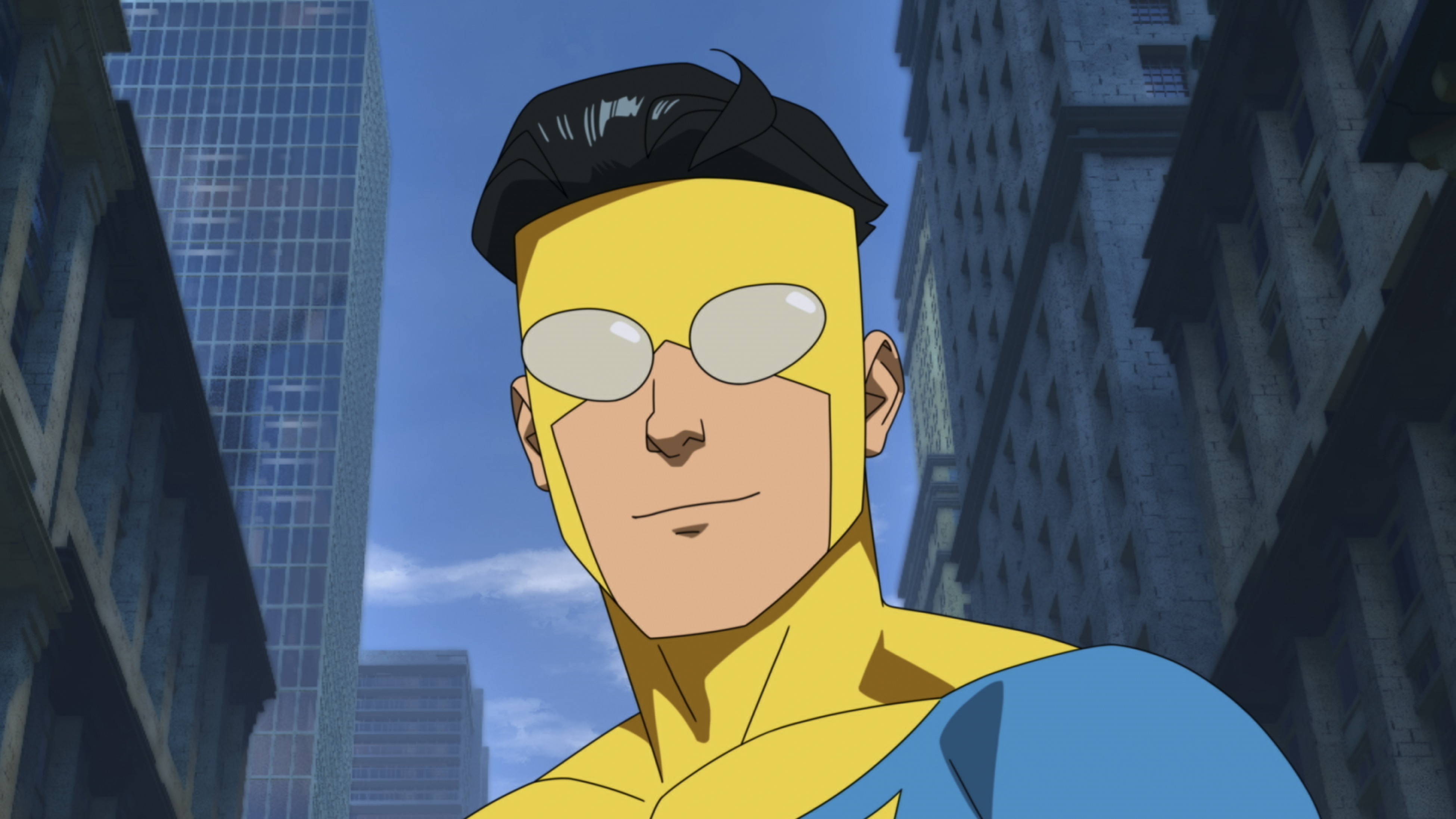
Streaming platforms compete for attention. When audiences wait three or four years between seasons, interest fades, iconic memes disappear, and the online discussion slows. Casual viewers inevitably move on to the next big show.
This is fundamentally a retention and engagement strategy. Streaming services do not just compete on content quality. They compete on keeping subscribers emotionally invested month after month. Frequent releases create recurring social media moments, fan discussions, and press coverage. In marketing terms, Amazon is trying to increase sits hare of attention and reduce the risk that viewers forget the franchise between seasons.
The Risk Amazon Is Taking
Invincible succeeded because fans viewed it as a premium animated series. If viewers begin associating the show with cut corners, reused shots, and underwhelming action sequences, the conversation shifts from excitement to disappointment. This creates a branding problem.
The irony is that many fans appear willing to wait longer. Across online discussions, the most common sentiment isn't "release episodes faster." It's "take more time and make them look better."
This is a brand equity risk. Strong brands are built on trust. Audiences develop expectations about what a premium series should deliver over time. If the perceived quality of a product continues to drop, that trust will be eroded and degraded. In other words, Amazon may gain short-term engagement from faster releases, but it risks long-term damage to the franchise's reputation. The key question is whether the additional attention generated by speed outweighs the potential loss in perceived quality.