


Intro
The movie theater pre-show has always been advertising. The difference now is it's starting to feel like it, and that shift says a lot about where brand attention is heading.
It grew from the ads that felt like part of the experience, scaled up because the business needed it, and found its way into the last ad-free space people had.
It started with the ads people didn't mind
The pre-show used to feel like part of the experience: trivia slides, trailers, and a Nicole Kidman monologue about the magic of cinema. All advertising, technically, but nobody thought of it that way because it was wrapped in the same excitement you came for. The best advertising works like that, blending into what people actually want until you can't really tell the difference, and theaters had been quietly running that playbook for decades.
Once audiences accepted the pre-show as part of the deal, expanding it was just a matter of timing.
Starting in July 2025, AMC and other major chains stretched that window to 25 to 30 minutes, adding Jeep, E.L.F. Cosmetics, and Google alongside the trailers, with some brands scoring Platinum Spots right before the film starts.
Nicole Kidman is still there, don't worry. She just has a lot more company now, and a lot of it traces back to what the pandemic did to how theaters make money.
Theaters need the money
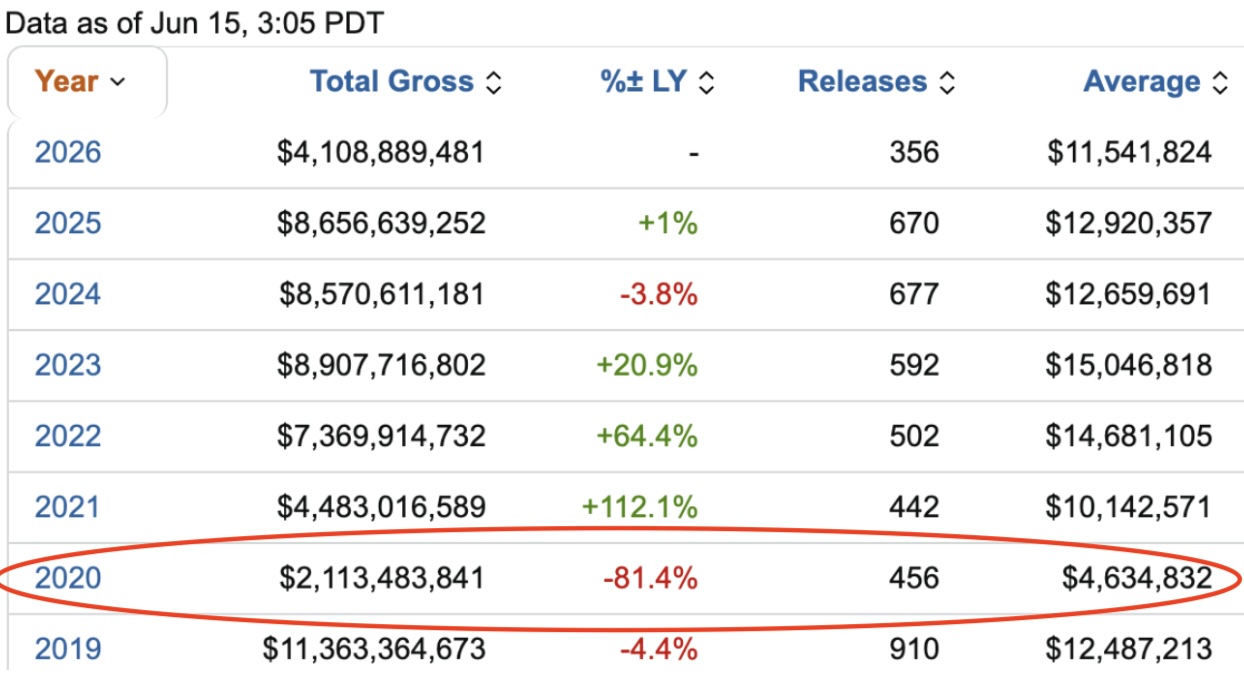
Theaters are still recovering from pandemic losses, competing with cheaper streaming, and dealing with box office returns that fluctuate wildly depending on what's playing. Advertising fills a gap ticket sales never could: steady revenue that shows up regardless of how a movie performs.
For brands, it's an equally good deal. Most advertising gives people a way out: scroll past, skip, block. In a theater, none of that is possible. A spot right before a film puts a brand in front of an already-excited audience with nowhere to go, and that kind of captive, high-attention context is exactly what advertising budgets are built around.
Theaters and brands both get what they need out of this deal, but whether audiences feel like they got a say in it is another question.
Ad fatigue found its last safe space
Advertising is everywhere now: streaming has ad tiers, social media is wall-to-wall sponsored content, and the line between organic and paid has largely blurred. Audiences have gotten pretty good at clocking when they're being marketed to, so brands are constantly looking for the spaces where that guard hasn't gone up yet.
Theaters worked as an advertising environment partly because they didn't feel like one. Paying to get in, putting your phone away, and being fully present created an openness that's hard to create anywhere else. That's what makes theater advertising valuable, and it's also what makes expanding it a delicate balance. Push too far and the environment that made it work starts to shift.
The question isn't whether theaters run ads. It's how much the experience can absorb before it stops feeling like going to the movies.
Attention is the product
Guaranteed attention is getting harder to find, and brands will pay a premium for whatever pockets of it are left. Theaters are one of the few places where that attention is still truly locked in. The trivia slides, the trailers, the Nicole Kidman monologue were always part of that, just a version nobody minded.
What's changed is the scale. Walking into a movie already excited is about as receptive as an audience gets, and in a world where every other ad can be skipped or blocked, that context is worth a lot. A Platinum Spot right before the lights go down is built to take full advantage of exactly that.
Everyone knows the movies are a business. The pre-show now just exposes how much of one it actually is.