

Intro
McDonald's, Taco Bell, and every other fast-food chain now selling dirty sodas didn't create the demand. They just cashed in on a fast-growing trend.
The dirty soda phenomenon spread through a hyper-local culture that accidentally went national,
a reality TV moment that did what no ad campaign could,
and a corporate playbook that's a lot more calculated than it looks.
It started with a workaround
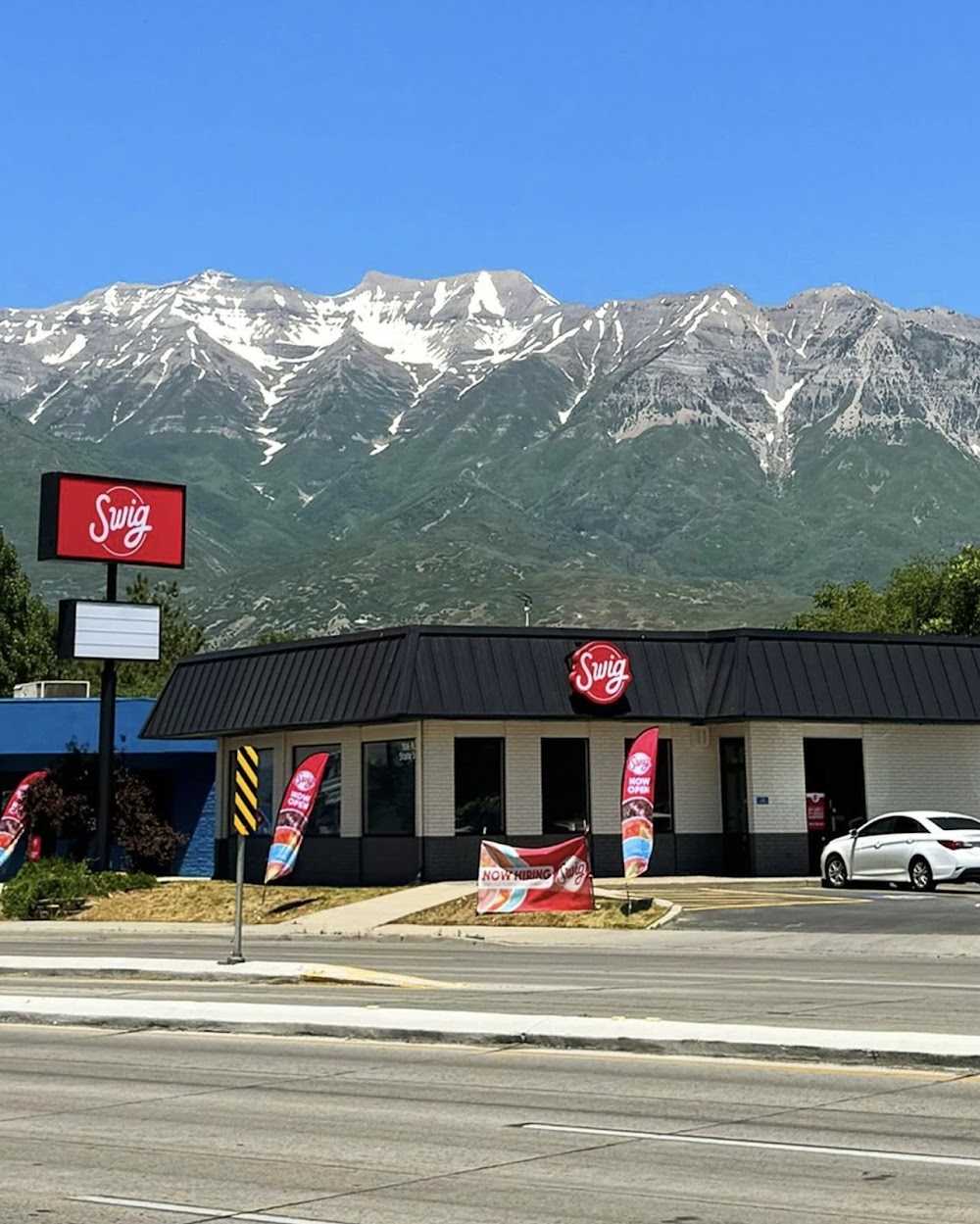
Dirty soda has been a Utah staple since the mid-2010s. Fountain soda mixed with flavored syrups, cream, whatever you want dropped in. Chains like Swig built entire businesses around it, catering to a culture where a lot of people skip alcohol and coffee. Customizable, indulgent, doesn't break any rules.
For about a decade it stayed exactly that: a Utah thing. The kind of hyper-local trend that probably would have stayed niche forever if it weren't for what happened next.
Reality TV did what marketing couldn't
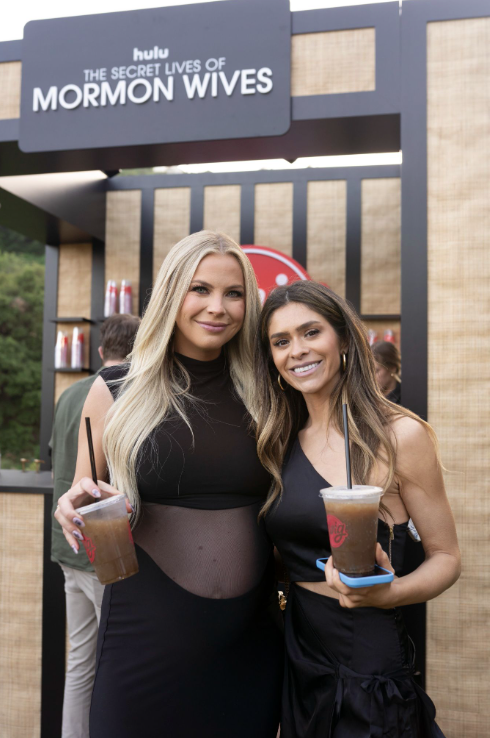
When The Secret Lives of Mormon Wives premiered on Hulu in 2024, it brought Utah culture, Swig included, to a national audience basically overnight. Social media filled up with dirty soda recreations, and suddenly everyone wanted in on something that had been quietly thriving for ten years without them.
This is how regional trends go viral now, and it has nothing to do with ad spend. It's social proof: we look to other people to figure out what's worth wanting. Watching someone's life online and thinking "I need that" isn't shallow, it's just how we're wired. One Hulu show did more for dirty soda than any marketing campaign could have, and the corporations were watching too.
The chains showed up to the party
McDonald's is now serving Dirty Dr Pepper with vanilla and cold foam. Taco Bell has a permanent lineup of creamy sodas. Applebee's will make your fountain drink dirty for a dollar extra. A year ago, none of this existed at any of these chains.
Here's the thing about big food brands: they almost never start trends. They watch them.
There's actually a term for this: trend forecasting, where brands wait for a cultural moment to get traction, then move in once someone else has already done the hard work. It's a low-risk, high-reward move. By the time something hits the McDonald's menu, it already feels familiar, and that familiarity is the whole point.
The Hulu show and a few million TikToks built the foundation. The brands just showed up to collect.
Everyone (corporations) wants in on trends
What makes dirty soda such a clean case study is that every stage of the trend followed the same psychological playbook. Consumers wanted it because other people wanted it, and brands added it because other brands were adding it. Social proof, just at completely different scales.
Somewhere along the way a niche drive-through order from Utah lands on the McDonald's menu and stops feeling like a trend. It just becomes the thing.
So the next time something regional randomly blows up online, pay attention. Someone at a corporate office already is.