
How Euphoria Became More Than a TV Show
There was a time when great costume design mostly stayed in the background. It helped shape a character, set a mood, and made the world feel believable, but it was still working in service of the story. Euphoria kind of ruined that arrangement. At some point, it stopped feeling like a show with strong fashion and started feeling like a fashion event that also happened to have episodes.
That shift is a big reason the conversation around Euphoria has stayed so loud. People are not just watching the show. They are watching the looks, the beauty choices, the styling references, the press outfits, and the online reaction to all of it. The fashion is not sitting quietly in the background anymore. It is one of the main attractions.
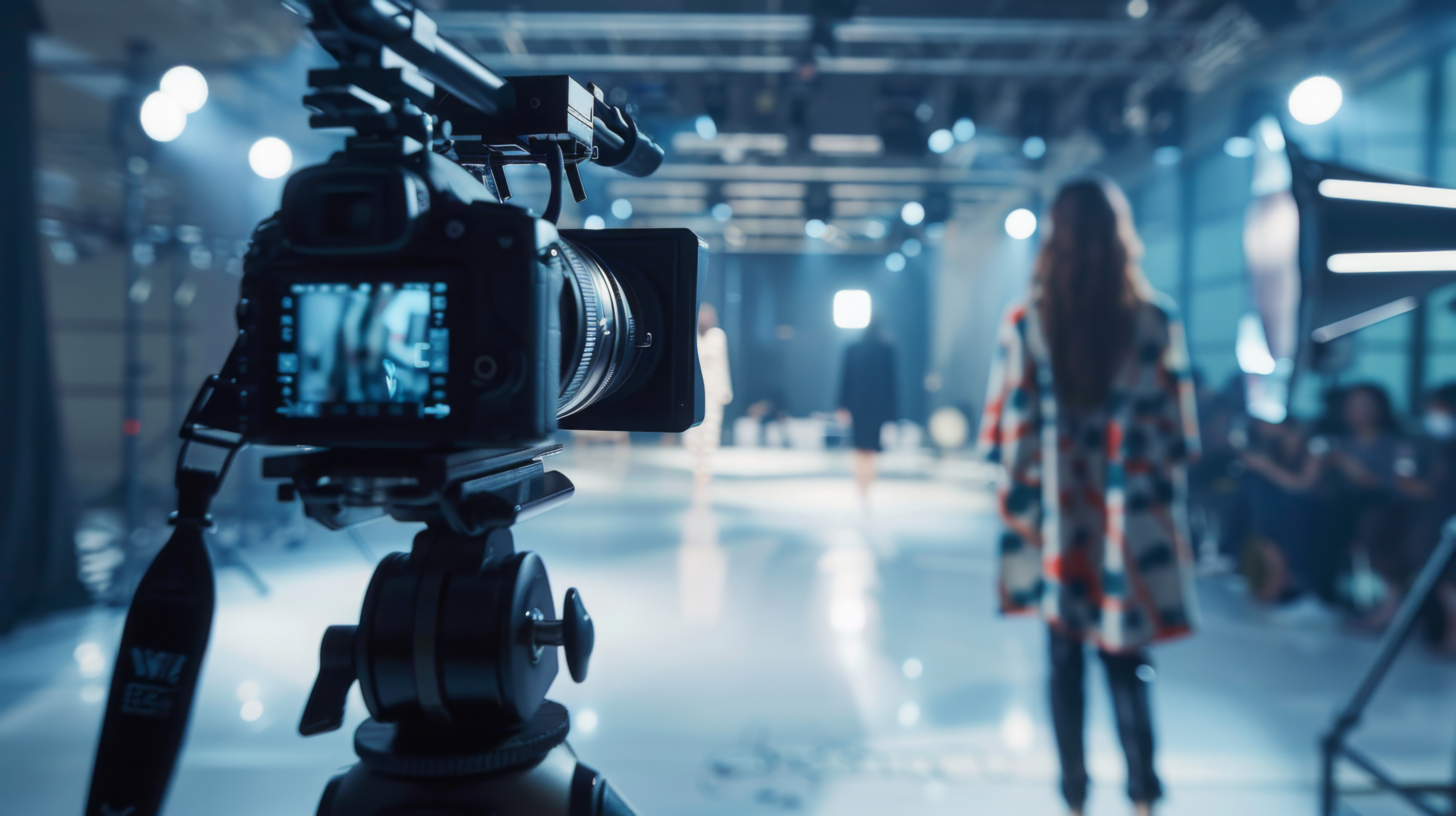
What makes Euphoria different is not just that it is stylish. Plenty of shows are stylish. The difference is that Euphoria was built for circulation. A single outfit from one scene can turn into screenshots, TikToks, Pinterest boards, “who made this” threads, trend predictions, and think pieces before the episode has even cooled off.
That means the visual identity of the show keeps working long after the actual scene ends. In a normal TV cycle, the episode airs and people react. In Euphoria’s case, the image keeps traveling. It gets repackaged, reposted, debated, and absorbed into fashion culture almost immediately.
For brands, that is obviously a dream. They are not just getting visibility; they are getting to live inside a much larger mood.
Fashion as Cultural Distribution
Euphoria does not just feature fashion; it helps distribute it. The show creates a kind of visual pipeline where luxury aesthetics move from screen to social media to everyday trend language way faster than they used to.
And people do not need the full story to participate. They do not need to know every plot detail or even care that much about the episode. One strong still image is enough. A makeup look, a dress, a pair of shoes, a certain silhouette, and suddenly the whole internet is doing cultural analysis off one frame.
That is part of what makes Euphoria feel less like a normal drama and more like luxury marketing. It understands that people consume visuals in fragments now. They do not always sit with a full narrative. They grab pieces. A look. A clip. A screenshot. Euphoria works unusually well in that environment because it is so visually legible.
The Show, the Press, and the Afterlife
What also pushes Euphoria into this territory is everything that happens around the show. The cast does press: fashion publications start covering looks connected to the show. Online discourse turns every appearance into part of the same larger aesthetic world. So even when the episode is over, the branding effect keeps going.
That is why it can feel like the show exists in two forms at once; there is the actual series, and then there is Euphoria as an image machine. The second one really does have just as much power as the first.
And once that happens, audience expectations change too. People stop judging the show only by whether it is entertaining. They start judging it by whether it is still visually influential. Does it still feel sharp? Does it still feel ahead of the culture? Does it look expensive in the right way, or does it feel like it is trying to recreate its own past success?Is It Necessary?
At this point, Euphoria matters because it showed how TV can function as image infrastructure for luxury. Not just product placement, not just costume design, but a full visual system that keeps feeding social platforms, trend cycles, and brand relevance.
That is a much bigger role than just “well-dressed show.” It is part entertainment, part mood board, part fashion distribution channel.
Which is maybe the clearest way to say it: Euphoria is not just a series people watch. It is a style economy people participate in.