


The Flex Got Flipped
Dupe culture is not just about buying cheaper versions of expensive products. It is about a bigger shift in what people think looks smart, stylish, and socially aware.
For a long time, status was tied to owning the original. The logo did the work. It told people the item was expensive, exclusive, and supposedly better. Now, that signal is changing. People still recognize the original, but the flex is often finding the version that gives the same visual payoff without paying the full brand tax.
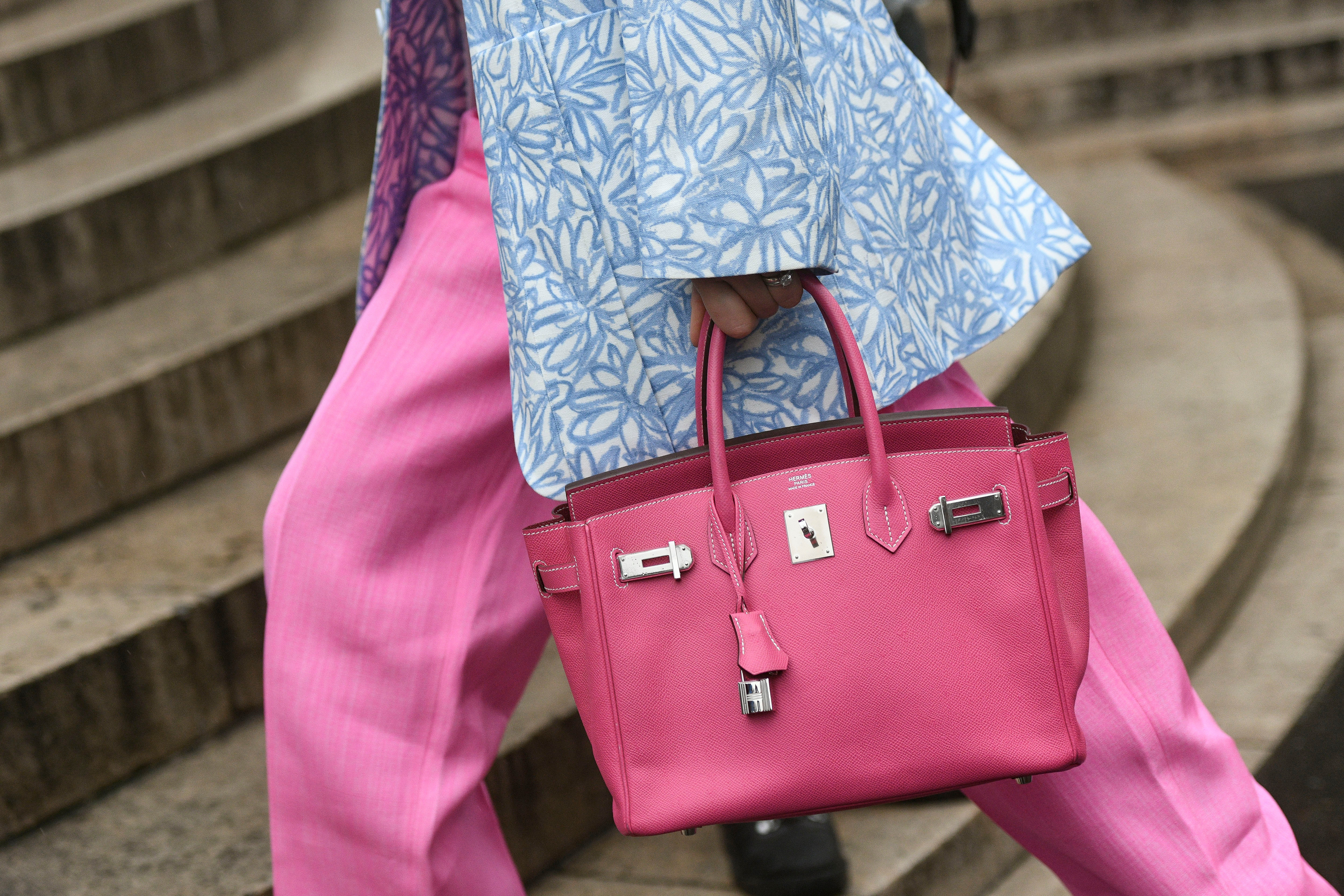
That is what makes dupes so interesting. A “Walmart Birkin” only lands if everyone understands the Birkin reference. The dupe depends on the original’s cultural power while also quietly making fun of it. It borrows the status, then undercuts the price.Facebook’s Attention Hacking
TikTok Made Overpaying Look Embarrassing
TikTok helped turn product comparison into entertainment. A lot of shopping content now follows the same pattern: here is the expensive thing, here is the cheaper version, and here is why paying full price might not be the smartest move.
That format changes how people read consumption. The cheaper product is no longer framed as a compromise. It is framed as proof that the shopper did research. The person buying the dupe is not just saving money. They are presented as informed, skeptical, and harder to manipulate.
This is where dupe culture becomes more psychological than practical. It lets people keep the aesthetic while rejecting the markup. The visual identity stays intact, but the financial decision gets reframed as clever instead of limiting.
Saving Money Became a Status Symbol
Dupes work because they offer two rewards at the same time. First, people get the look. Second, they get to feel like they saw through the marketing.
That second reward is what makes the trend stick. A dupe purchase can become part of someone’s identity: stylish, but not gullible; trend-aware, but not desperate; interested in fashion, but not emotionally attached to a receipt.
There is also a small moral performance happening in some dupe content. It is not always just, “This is cheaper.” It is often, “This is basically the same, so why would anyone pay more?” The implication is that the full-price buyer did not just spend more money. They failed the test.
That may be harsh, but it is also why the content works.
The Walmart Birkin
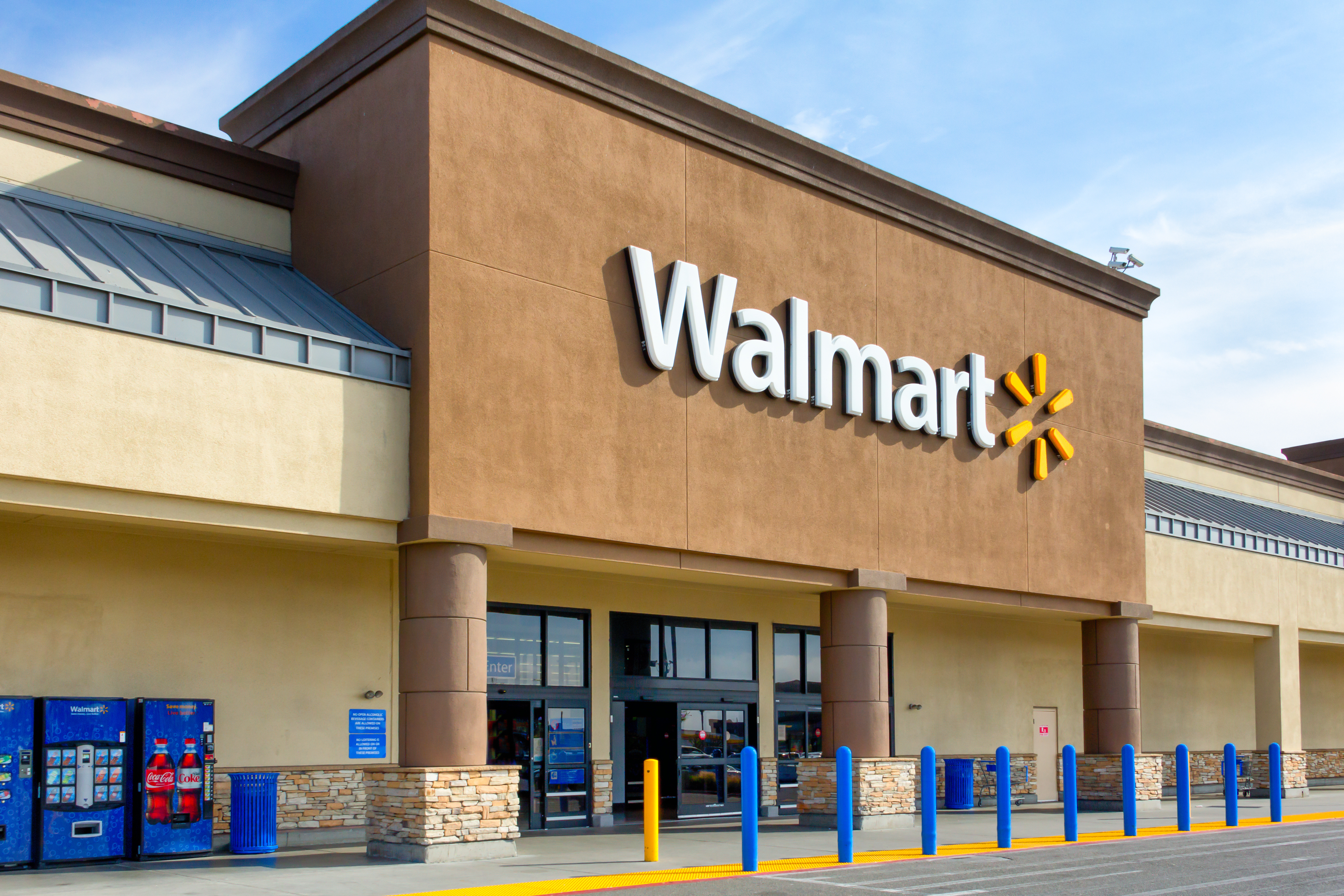
The viral Walmart Birkin showed how open dupe culture has become. The appeal was not that people secretly believed it was Hermès. The appeal was that everyone knew it was not Hermès, and that was part of the entertainment.
That is a major shift from older ideas of knockoffs, where the goal was usually to pass as the real thing. Today’s dupe culture is often more transparent. People say exactly where they got it, how much it cost, and why they think it was a better buy.
The dupe becomes less of a hidden substitute and more of a public comment on the original. It says the expensive version is iconic, but the price still deserves to be questioned.
Are Luxury Brands Sweating?
Premium brands rely on the idea that their products are worth more than their materials. They sell design, identity, heritage, community, scarcity, and the emotional promise that the original means something the copy cannot.
Dupe culture weakens that story. It encourages shoppers to compare products by function and appearance, not just brand meaning. That is why brands like Lululemon have had to respond, whether through dupe swaps, lawsuits, or messaging that tries to remind consumers why the original is supposedly different.
The problem for brands is that once consumers start asking, “What exactly am I paying extra for?” the answer has to be better than vibes.
The Markup Is No Longer Sacred
Dupe culture is not simply about people being cheap. It is about how consumers are renegotiating status in a market where branding feels powerful but also increasingly easy to question.
People still want the aesthetic. They still want the cultural reference. They still want to participate in fashion and trends. They just do not always want to pay the original brand for permission.