


Everyone Wants to Sound Less Corporate
Companies keep trying to sound less like companies.
Not in the “we value our customers” way. More in the “the intern found CapCut and now legal is nervous” way.
The logic is clear enough. People are tired of polished brand language. They scroll past perfect product shots, recycled campaign lines, and captions that feel like six people approved them in a conference room with bad lighting.
So brands try to blend in: they sound niche, chaotic, self-aware, overly online, or weirdly specific.
Sometimes it works.
Sometimes it feels like watching a brand say “bestie” with shareholder approval.
Duolingo: Weird, But Built on Something Real
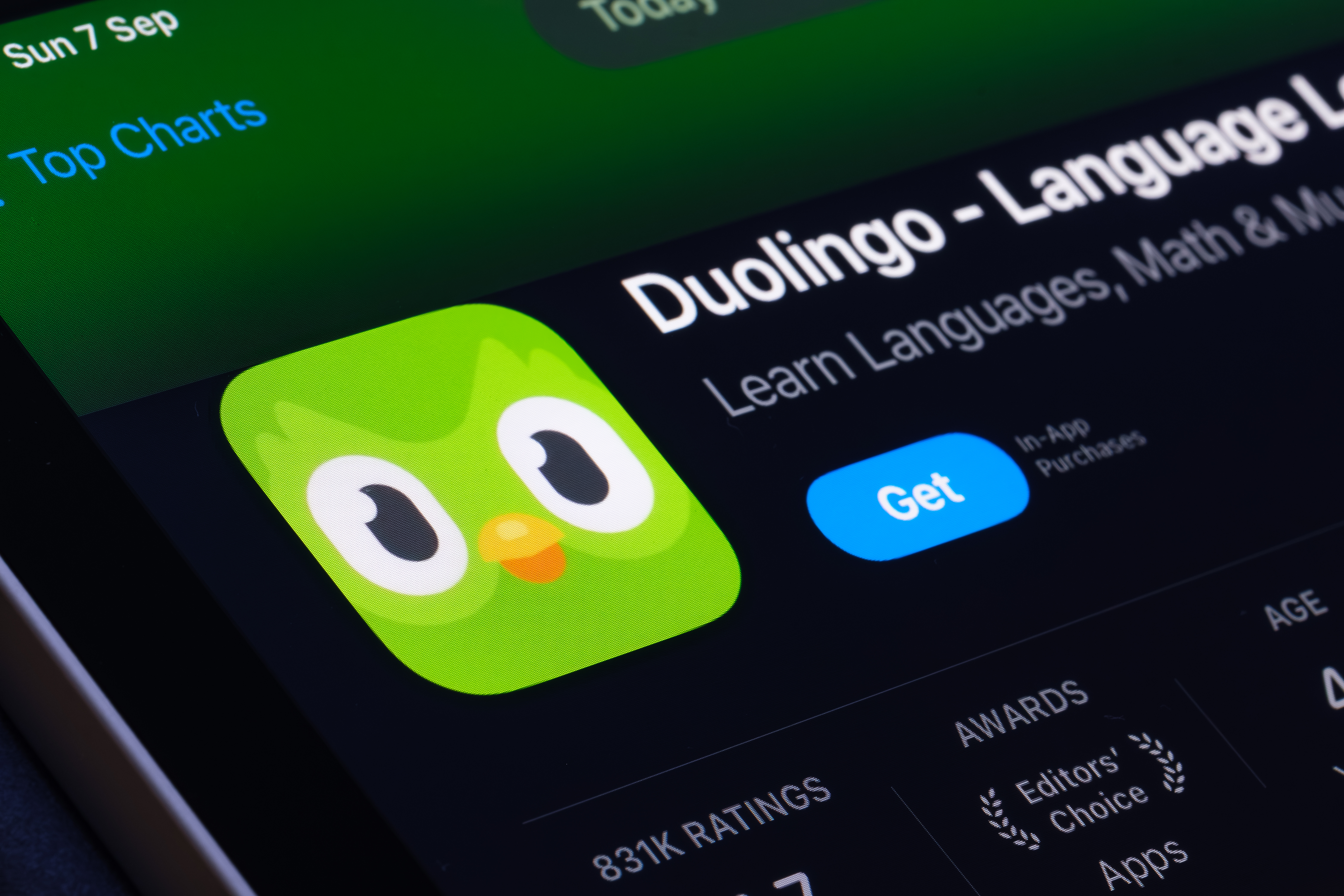
Duolingo is the cleanest success case.
The brand took Duo, its green owl mascot, and turned him into a full internet character: dramatic, obsessive, petty, slightly threatening, and built for TikTok’s inside-joke economy.
The reason it works is not just that the account is weird. Weird is cheap. Anyone can post a cursed edit and call it strategy.
Duolingo’s weirdness connects back to something users already understand: the app is pushy. The reminders are persistent. The owl already felt like a tiny green authority figure haunting your phone until you practiced Spanish for three minutes.
The TikTok voice exaggerated a real product experience.
Instead of inventing a random “unhinged” personality, Duolingo stretched an existing user feeling into a character. The joke had a foundation. The audience was already in on it.
That is why the brand can be chaotic without feeling completely detached from what it sells.
Why Weird Relatability Works
Weird brand voices work because they give people something to participate in.
A polished ad asks people to receive a message.
A strange brand account asks people to decode one.
That is a much more active form of attention. People are not just seeing the content. They are trying to figure out the rules of the world the brand has created.
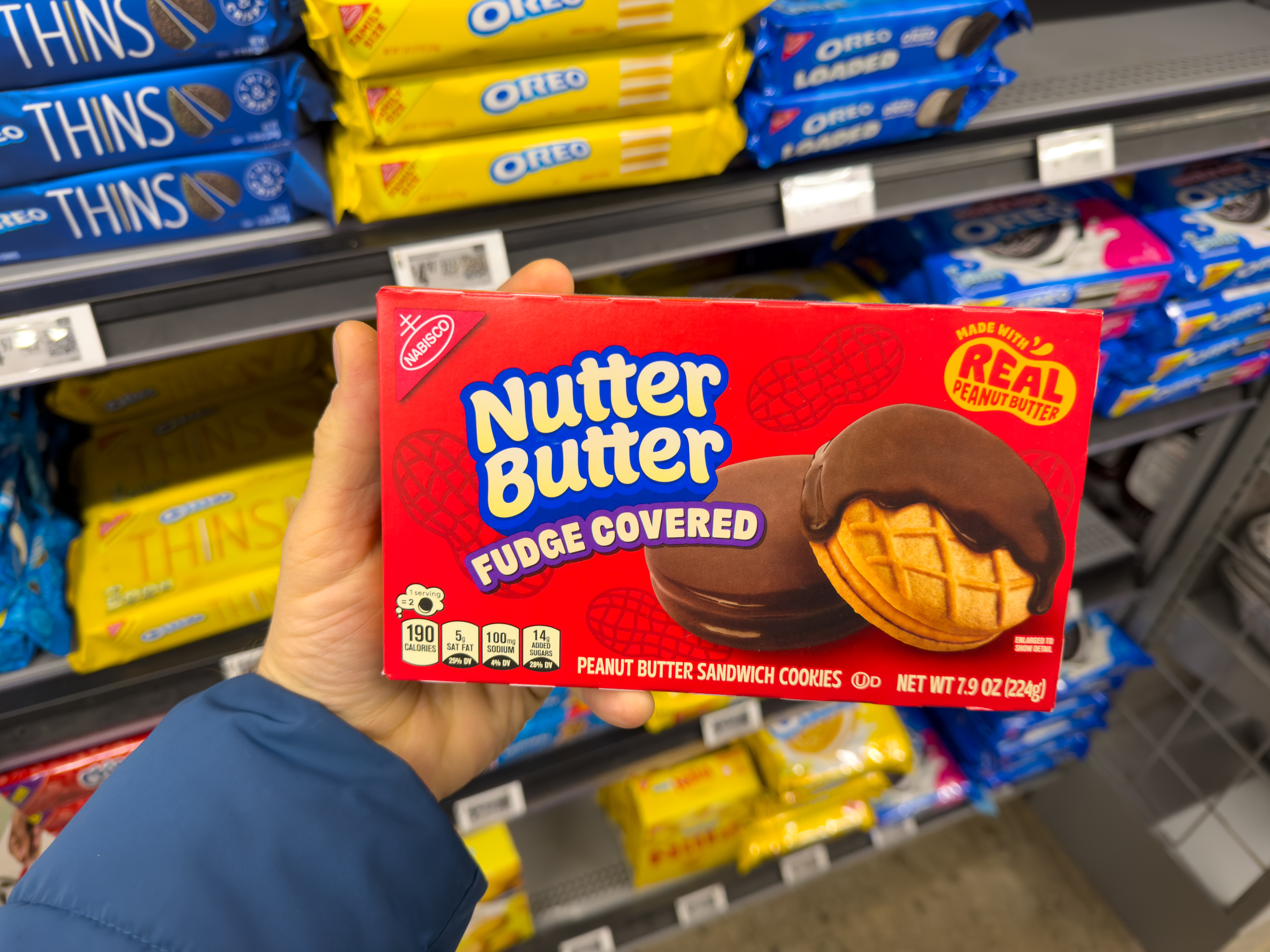
Nutter Butter has a world: unclear, possibly haunted, definitely peanut butter-adjacent. Its TikTok presence became known for surreal, creepy, slightly analog-horror-style content. Less “enjoy this peanut butter cookie” and more “why does this snack brand feel like it knows something about me?”
A cookie brand acting normal is invisible.
A cookie brand acting like it was assembled from a dream, a glitch, and a marketing team that lost access to sunlight creates pattern interruption.
The failure point is when brands confuse tone with personality.
Using internet language does not make a brand relatable. It just makes the caption shorter and more suspicious.
“Bestie.”
“POV.”
“No because why is this literally us.”

These can work in the right context, but most of the time they feel like a brand wearing a hoodie over a blazer.
The issue is not casual language. The issue is borrowed casual language with no actual point of view.
Cringe happens when the audience can see the calculation too clearly. The brand is not making a joke. It is performing proximity to a culture it has not earned.
That is why some posts feel natural while others feel like a corporate Slack channel discovered TikTok three quarters late.
The Real Strategy Is Consistency
A weird brand voice cannot be a one-off attempt to go viral.
It needs rules. It needs a pattern. It needs a reason to exist beyond “Gen Z likes chaos,” a phrase that should probably be retired and buried somewhere quiet.
Duolingo earned room to be strange because the owl has a consistent role in the brand universe.
Nutter Butter earned attention because it committed so fully to the bit that people could not tell if it was smart, broken, or both.
That is the difference between a brand character and a brand having a public episode.